
Destination Campaigns: Utah National Park Travel Spending Reaches 13.7 Billion
Utah's tourism economy hits record milestones in 2026, generating thirteen point seven billion dollars in visitor spending across the Mighty 5 parks.

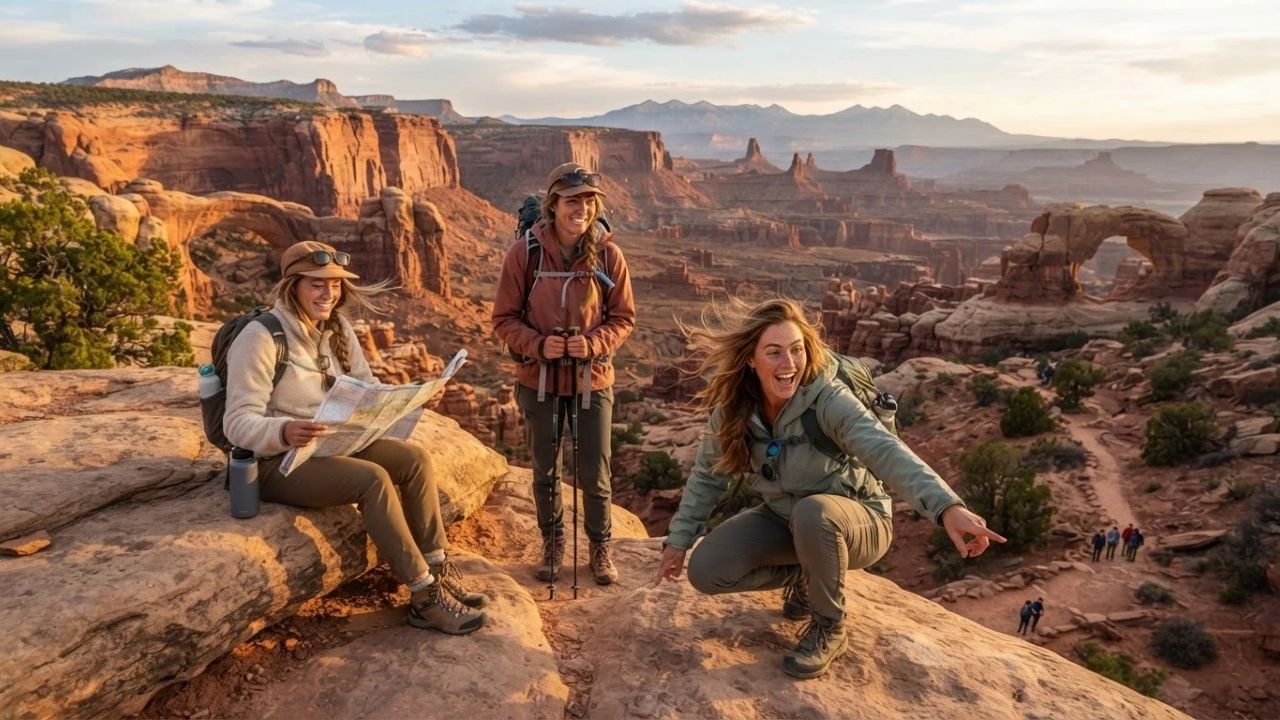
Image generated by AI
Utah's tourism economy hits record milestones in 2026, generating thirteen point seven billion dollars in visitor spending across the Mighty 5 parks. The Kem C. Gardner Policy Institute indicates that nonresident leisure trips coordinate regional economic expansion, supporting municipal infrastructure in gateway communities.
The Transition of Western Canyons to High-Yield Conservation Corridors
A significant trend in Western US travel planning is the transition of outdoor recreation corridors into high-yield conservation systems. Historically, state park departments promoted wilderness sites primarily as low-cost camping destinations for regional road-trippers, measuring success by vehicle entry counts. In 2026, the implementation of timed-entry reservation systems and targeted overseas marketing encourages high-value international travelers to spend extended periods at premium gateway lodges, distributing visitor spending into local retail, dining, and guiding services.
By balancing conservation guidelines with high-yield visitor services, state planning boards preserve delicate sandstone structures. This sustainable tourism model directly supports county road maintenance, public school funding, and local trail building.
Utah Visitor Spending and Tax Revenue Milestones
Official economic updates highlight the financial strength of the state's travel economy:
- Total Annual Visitor Spend: Reached thirteen point seven billion dollars ($13.7 billion), representing a inflation-adjusted increase of zero point six percent.
- Leisure Share of Expenditure: Accounted for over ninety-two percent of total spending.
- Visitor Spend Ratio: Nonresident travelers outspent local residents by a ratio greater than four to one.
- Tax Revenue Yield: Generated one point six billion dollars in direct state and local tax revenue, rising to two point seven billion dollars when accounting for indirect economic impacts.
- Job Creation Statistics: The travel sector directly created approximately one hundred seven thousand five hundred jobs, supporting an additional fifty-nine thousand seven hundred indirect positions (representing 1 in 10 jobs statewide).
- Ski Resort Financial Resilience: Despite a low-snow winter reducing total skier visits by twenty-six point five percent down to four point eight million skier days, total skier spend reached two point one billion dollars. Average spending per skier trip rose to three hundred ninety-two dollars, driven by luxury lodging in Park City and Deer Valley.
These milestones show the resilience of the local travel market against seasonal weather volatility.
Mighty 5 National Parks and Regional Icons
The state coordinates natural preservation across five primary federal parks:
- Zion National Park: Features towering sandstone cliffs, with the famous Angels Landing trail managed under strict safety permit systems.
- Bryce Canyon National Park: Home to the world's largest concentration of hoodoos (irregular stone spires) and scenic hiking loops.
- Arches National Park: Located near Moab, showcasing iconic natural arches and sandstone formations under timed-entry regulations.
- Canyonlands National Park: Offers vast desert views, deep canyons, and primitive backcountry camping.
- Capitol Reef National Park: Protects historic pioneer orchards and geologic folds in the earth's crust.
These parks are supported by modern terminal services at Salt Lake City International Airport, allowing convenient transit for global arrivals.
International Visitor Arrival Trends (2025-2026)
Targeted marketing campaigns co-led by the Utah Office of Tourism showed varying results across global source countries:
- United Kingdom: Inbound arrivals increased by ten percent.
- Australia: Inbound arrivals increased by five percent.
- Peru: Inbound arrivals increased by three percent.
- Canada: Inbound arrivals decreased by twenty-two percent.
- China: Inbound arrivals decreased by twenty-three percent.
These shifts highlight the rising value of overseas markets in sustaining tourism revenues.
Utah Tourism and Economic Asset Coordinates
The table below breaks down the travel sectors, visitor spend levels, tax revenue contributions, active job markets, regional partners, and coordinating authorities recorded on August 24, 2026:
| Core Travel Sector | Visitor Spend Level | Tax Revenue Contribution | Active Job Market | Regional Partner | Coordinating Authority |
|---|---|---|---|---|---|
| Outdoor recreation | $13.7 billion record | $2.7 billion (total tax) | 107,500 direct jobs | Moab Adventure Center | Utah Office of Tourism |
| Alpine ski & luxury | $2.1 billion spend | $1.6 billion (direct tax) | 59,700 indirect jobs | Park City & Deer Valley | Gardner Policy Institute |
| International transit | $392 per skier trip | Local county tax pools | 4.8M skier days | Salt Lake Airport Board | National Park Service |
These coordinates outline the sectors, spend levels, tax revenues, job markets, partners, and authorities established for the tourism programs.
Resource Stewardship and Eco-Aware Desert Travel
For the traveler, the benefit of practicing resource stewardship when exploring Utah's sandstone canyons is staying strictly on established trails to protect biological soil crusts (cryptobiotic soil) that prevent desert erosion. Utilizing public shuttle networks in Zion Canyon minimizes vehicle emissions in narrow valley environments.
Additionally, carrying reusable hydration reservoirs instead of single-use plastic bottles reduces plastic pollution in remote wilderness locations. Booking guided tours through local outfitters ensures travel expenditures directly support the economies of rural gateway towns.
For comparison, you can explore the changing dynamics of Stimulus Launch: Taiwan Unveils Billion-Dollar Repeat Visitor Rewards to see how destinations promote visitor spend. For transit updates, comparing travel scheduling matches other networks, such as Destination Campaigns: Minnesota Tourism Revenues Surge Past 24 Billion Dollars updates. This trend is similar to the tourism growth seen in other destinations, as detailed in our guide on the Hacienda Heights Bus Fire Transport Safety regulations.
Traveler Insider Tips: Securing Permits and Logistics
If you are planning an outdoor getaway to Utah, keep these practical tips in mind:
- Apply for Arches Timed-Entry Vouchers: Secure your entry reservations online months in advance if planning to visit Arches National Park during spring or autumn.
- Rent All-Wheel-Drive Vehicles: Secure an AWD or 4WD vehicle if you intend to navigate unpaved routes in Canyonlands or cross high alpine passes.
- Carry Ample Water in Summer: Pack at least one gallon of water per person per day when hiking, as high desert temperatures accelerate dehydration.
- Monitor Flash Flood Alerts: Check ranger updates and NWS weather reports before entering narrow slot canyons, particularly in Zion and Grand Staircase.
- Check Angels Landing Permit Windows: Participate in the seasonal lottery on recreation.gov to secure permits for hiking the chained ridge of Angels Landing.
Long-Term Outlook for Utah's National Park Tourism
The long-term outlook for transit in Utah is focused on introducing electric bus systems in high-density parks, constructing scenic bypass lanes near Moab, and expanding terminal gates at Salt Lake City International Airport. As international traveler demand continues to grow, federal land bureaus and state environmental boards will cooperate to maintain passenger standards.
By developing sustainable transit options and protecting fragile desert ecosystems, the tourism sector aims to build a sustainable transport network.
FAQ
How much did tourists spend in Utah in 2026?
Visitors spent a record thirteen point seven billion dollars in Utah, supporting public infrastructure across all 29 counties.
What are the Mighty 5 national parks in Utah?
The Mighty 5 consists of Zion, Bryce Canyon, Arches, Canyonlands, and Capitol Reef National Parks.
How did Utah's ski industry perform during the low-snow winter?
Ski resorts recorded a 26.5% drop to 4.8 million skier days, but total spending reached $2.1 billion, with average skier trip spend rising to a record $392.
What portion of Utah's workforce is supported by travel?
Direct and indirect tourism jobs total approximately 167,200 positions, representing roughly one in ten jobs statewide.
Stay updated on regional travel regulations and environmental campaigns shaping Utah transit.
Related Travel Guides
Disclaimer
This article is for informational and educational purposes only. It does not constitute legal, financial, or professional advice. While we strive to provide accurate and up-to-date information, travel policies, regulations, and conditions change rapidly. Always verify information with official sources before making travel decisions. Nomad Lawyer makes no representations about the accuracy, reliability, completeness, or suitability of the information provided. Readers should consult qualified professionals for advice specific to their circumstances. The views expressed in this article are those of the author and do not necessarily reflect the views of Nomad Lawyer.
Raushan Kumar
Founder & Lead Developer
Full-stack developer with 11+ years of experience and a passionate traveller. Raushan built Nomad Lawyer from the ground up with a vision to create the best travel and law experience on the web.
Learn more about our team →