
Switzerland Extends Autumn Travel Appeal as Val Müstair Destination Offers Savurando Culinary Treasure Hunt
Switzerland Extends Autumn Travel Appeal as Val Müstair Destination Offers Savurando Culinary Treasure Hunt

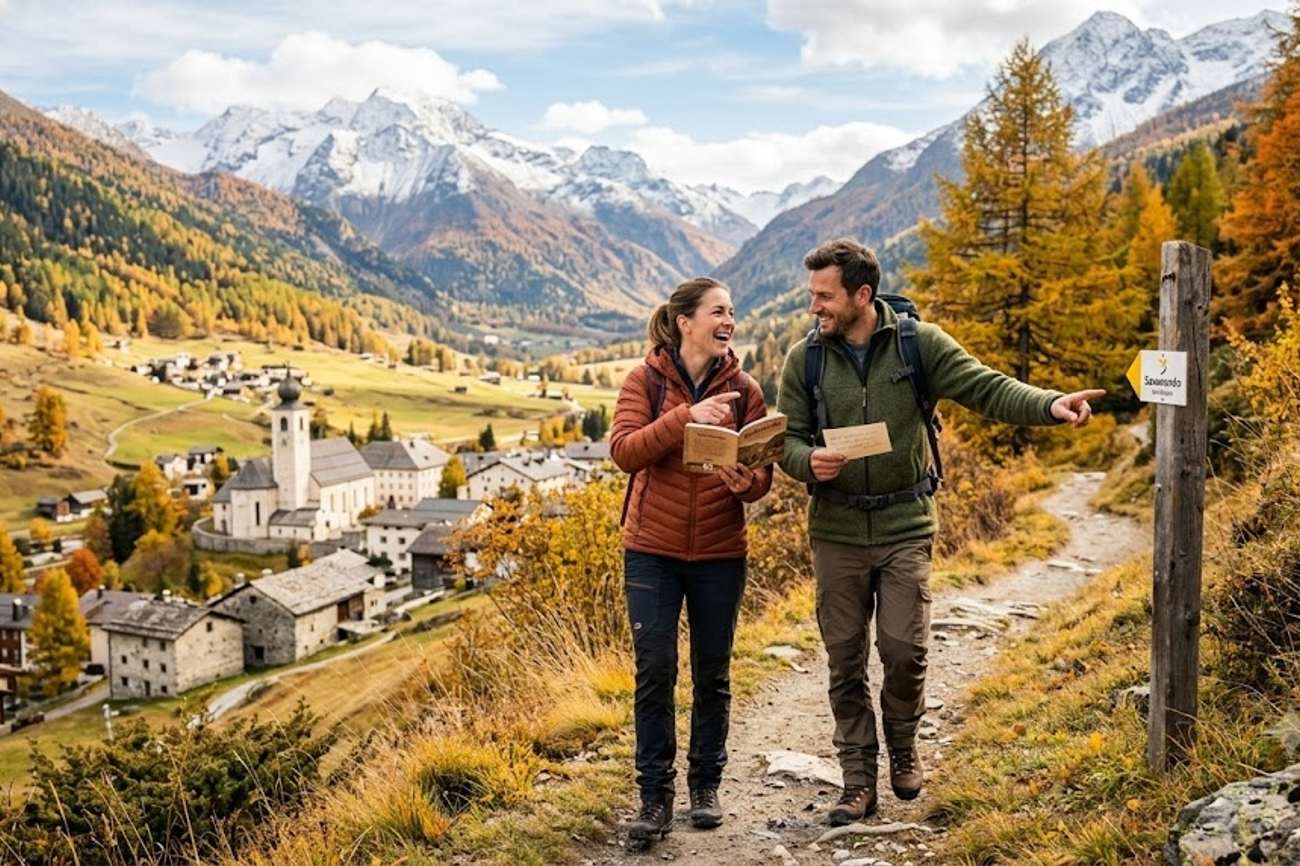
Image generated by AI
title: "Culinary Treasure Hunting in Val Müstair: A Masterclass in Alpine Shoulder-Season Tourism" date: 2026-09-15 tags: [Val Müstair, Graubünden Travel 2026, Biosfera Val Müstair, Swiss Alpine Gastronomy, Engadin Scuol Zernez]
While most Alpine visitors flee the mountains by September, Val Müstair has engineered a way to keep the valley alive deep into autumn through a structured culinary treasure hunt. This experience, known as Savurando, transforms the act of eating and walking into a strategic economic tool, ensuring that local producers and hoteliers remain viable long after the summer peak has faded.
The Strategic Shift in Val Müstair’s Autumn Economy
For the seasoned traveler, the appeal of Val Müstair is often its remoteness, but for the local administration, that remoteness creates a volatile economic cycle. The current push for the 2026 season is not about launching a new attraction—Savurando has been an established fixture for years—but about leveraging it to solve the "shoulder season" problem. By keeping the experience bookable through 17 October 2026, the region is actively fighting the autumn slump.
The logistics are precise. The journey begins at Hotel Helvetia in Müstair, with departures strictly windowed between 09:00 and 11:00, Monday through Saturday. This isn't a quick tasting menu; it is a four-to-six-hour commitment. By requiring a significant portion of the day, the destination encourages overnight stays and deeper engagement with the valley. It is a calculated move by the destination management organization for Engadin Scuol Zernez and Val Müstair to shift the visitor profile from the day-tripper to the immersive traveler.
The growth trajectory is evident in the data. According to the Biosfera Val Müstair Annual Report 2024, the experience saw 208 participants in 2024 alone, representing a 29 per cent increase over the previous year. This growth suggests that travelers are increasingly seeking "slow tourism" models where the activity is tied to the land rather than a checklist of monuments.
What Makes Val Müstair Different
Val Müstair does not operate like a standard Swiss resort. It functions as a living laboratory for sustainable development, holding the Swisstainable Destination Level III – leading certification, the highest possible rank in the national program. The valley's uniqueness lies in its refusal to decouple tourism from agriculture.
The experience is built upon a rigorous regional-product system. To carry the nature park product label, a product must contain at least 80 per cent regional ingredients, and two-thirds of its total value creation must happen within the valley. This ensures that when a visitor pays for a Savurando ticket, the money doesn't leak out to global suppliers but stays in the pockets of the farmers and artisans who maintain the UNESCO World Heritage sites and mountain pastures.
As of the 2025 Biosfera Val Müstair annual report, there are 161 certified products and 14 dedicated Biosfera partner businesses. This infrastructure allows the valley to offer an experience that is authentic because it is mandatory; the producers aren't performing for tourists—they are operating a legitimate agricultural economy that happens to be open for exploration.
Visitor Insider Tips
If you are planning to venture into the valley for the autumn window, forget the typical tourist approach. Val Müstair requires a specific mindset.
Timing and Logistics To make the most of Savurando, book your stay at or near Hotel Helvetia. Because the start window is 09:00 to 11:00, arriving from a distant city on the morning of your tour is a recipe for stress. Use the SBB Swiss Federal Railways to reach the region, but be mindful that Sunday itineraries require alternative planning as Savurando does not operate on Sundays.
Physical Preparation This is a walking tour, not a stroll. You will spend roughly three hours on your feet traversing Alpine terrain. Waterproof boots and layered clothing are non-negotiable for October. The weather in Graubünden can shift from brilliant sunshine to freezing rain in twenty minutes.
Budgeting The pricing is transparent and structured:
- Adults: CHF49
- Children (6-12): CHF30
- Family (2 adults, 2 children): CHF140
- Additional child in family: CHF20
- Children under six: Free If you are traveling in a group of ten or more, you must register in advance, as the local producers cannot accommodate large crowds without prior notice.
The "Grün und gratis" Hack Look into the "Grün und gratis" program. In 2025, 428 visitors used this public-transport-linked initiative to reduce their carbon footprint while exploring. It is the most respectful way to move through the biosphere.
Cultural and Environmental Context
The interaction between tourism and the local community in Val Müstair is governed by a philosophy of "value creation" rather than "volume growth." Many Alpine regions suffer from over-tourism in July and August, followed by ghost-town conditions in October. Val Müstair is attempting to flatten this curve.
By tying the Savurando experience to the 161 certified regional products, the valley ensures that tourism supports the preservation of biodiversity. The organic production requirements for many of these products mean that the very act of eating regional cheese or cured meats helps maintain the Alpine meadows and prevents the reforestation of grazing lands, which is essential for the region's ecological health.
This model is supported by the Swiss Federal Office for Agriculture, recognizing that when gastronomy and tourism are integrated, the agricultural sector becomes more resilient. The visitor is no longer just a consumer; they become a temporary patron of a centuries-old farming tradition.
FAQ: Visiting Val Müstair 2026
What is the best time to visit for the culinary tour? The peak experience is during the autumn shoulder season, specifically through 17 October 2026. This allows you to witness the harvest colors and experience the valley with fewer crowds than the summer peak.
How do I get to Val Müstair? The most efficient way is via the Swiss rail network to the Engadin Scuol Zernez region, followed by local transport. Check the Switzerland Tourism portal for the most current transit connections to Müstair.
Is the experience suitable for children? Yes, there are specific discounted rates for children aged 6-12 (CHF30) and those under six are free. However, be aware there are three hours of walking involved, so ensure children are equipped with proper footwear.
Do I need a visa to visit this region? Switzerland is part of the Schengen Area. Depending on your nationality, you may enter visa-free for up to 90 days or require a Schengen visa. Check your local Swiss embassy for current requirements.
In Val Müstair, the treasure isn't at the end of the map—it's the 80 per cent of regional ingredients in every bite.
Related Travel Guides
- Africa Witnessing AI Booking Trap by Gen Z Travellers Across Rwanda, Kenya and More in 2026 as Reports Reveal Unexpected Aspects
- China’s Tourism Boom Makes Travel Apps Essential for Payments, Rail, Rides and Local Discovery
- Travel Industry Sees Powerful Shift as Human Connection Beats Artificial Intelligence in Holiday Planning
Disclaimer
This article is for informational and educational purposes only. It does not constitute legal, financial, or professional advice. While we strive to provide accurate and up-to-date information, travel policies, regulations, and conditions change rapidly. Always verify information with official sources before making travel decisions. Nomad Lawyer makes no representations about the accuracy, reliability, completeness, or suitability of the information provided. Readers should consult qualified professionals for advice specific to their circumstances. The views expressed in this article are those of the author and do not necessarily reflect the views of Nomad Lawyer.
Preeti Gunjan
Contributor & Community Manager
A passionate traveller and community builder. Preeti helps grow the Nomad Lawyer community, fostering engagement and bringing the reader experience to life.
Learn more about our team →