Slovenia Marks World Tourism Day As Digital Innovation And AI Shape The Future Of Sustainable Travel

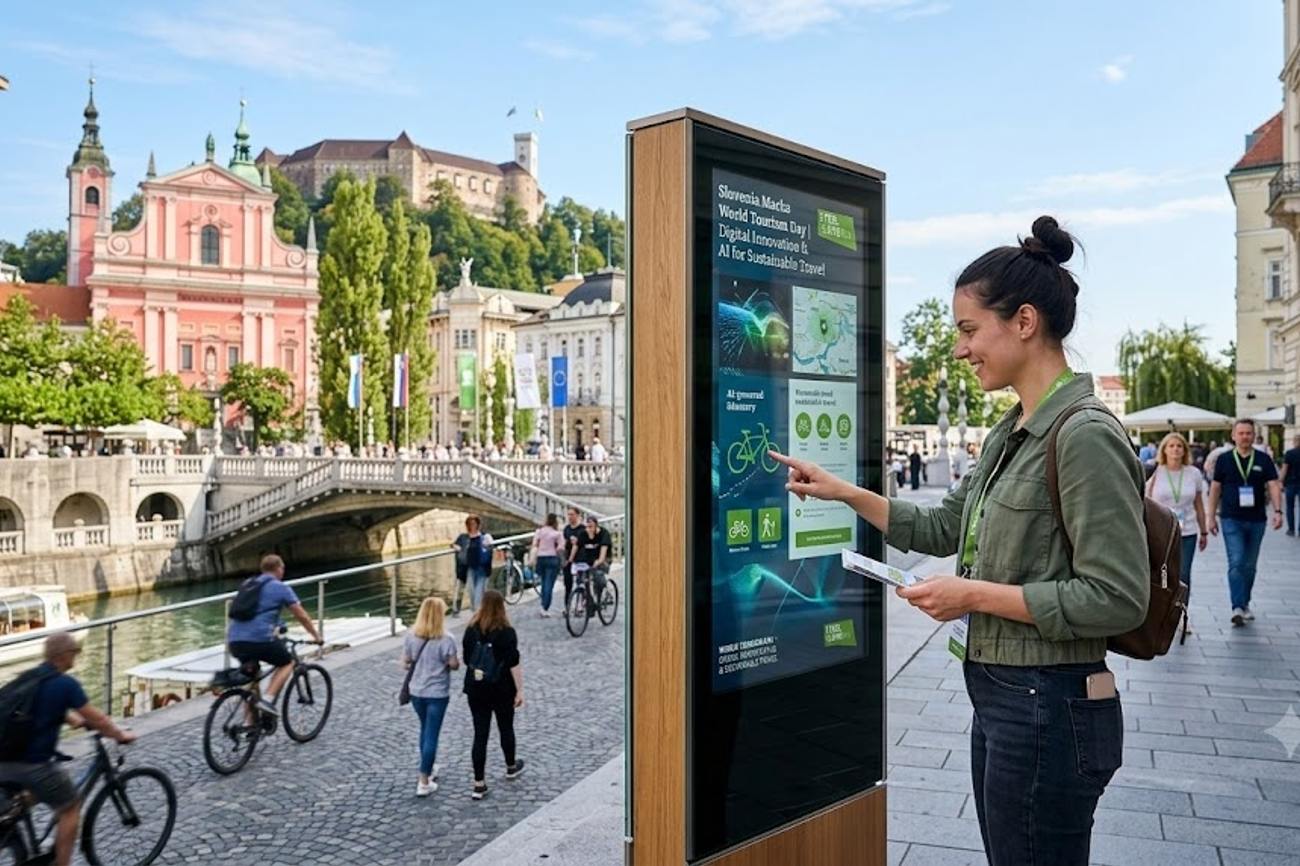
Image generated by AI
[Ljubljana, September 27, 2026] — Slovenia is deploying an aggressive suite of artificial intelligence and data-driven management tools to restructure its national tourism model, shifting focus from raw visitor volume to sustainable, precision-managed growth.
The initiative, unveiled in coordination with World Tourism Day 2026, integrates a national tourism data ecosystem designed to mitigate overtourism and redistribute traveler flows across the country's regions. By utilizing AI-powered forecasting and real-time visitor analysis, the Slovenian government aims to balance the economic benefits of tourism with environmental preservation and the quality of life for local residents.
The Digital Pivot to Sustainable Management
The primary catalyst for this shift is the recognition that traditional tourism metrics—specifically overnight stays and total arrivals—are insufficient for long-term stability. Slovenia is now pivoting toward a "smart tourism" framework that prioritizes the distribution of visitors throughout the calendar year and across diverse geographic zones to prevent the degradation of sensitive alpine and cultural sites.
Central to this strategy is the implementation of predictive data modeling. By forecasting visitor numbers at high-traffic attractions, authorities can now implement flow-management strategies to prevent overcrowding. Furthermore, the state is promoting digital matchmaking tools that connect travelers with local guides based on specific hobbies and skill sets, moving away from generic mass-market tours toward high-value, personalized experiences.
Infrastructure and Impact Zones
The digital transformation is being rolled out across several key sectors of the Slovenian economy, ensuring that the benefits of AI and data analytics extend beyond the hospitality industry.
| Impact Area | Technological Application | Primary Objective |
|---|---|---|
| Destination Management | AI-powered visitor forecasting | Reduce pressure on "hotspot" locations |
| Rural Development | Targeted digital marketing | Redirect traffic to lesser-known regions |
| Local Businesses | Digital skill training programs | Improve online competitiveness and UX |
| Environmental Policy | Carbon footprint tracking | Measure and mitigate tourism's ecological impact |
| Visitor Experience | Tailor-made AI recommendations | Increase satisfaction via hyper-personalization |
The scope of this rollout encompasses the entire national tourism value chain, including transport, agriculture, retail, and the creative industries. By diversifying the regions that receive tourists, Slovenia intends to stimulate economic growth in rural communities that have historically been bypassed by the primary tourist corridors.
Practical Traveler Advisory and Strategic Insights
For the individual traveler, Slovenia’s digital shift translates into a move away from "cookie-cutter" tourism. Those booking trips to Slovenia can expect a more curated experience where AI-driven platforms suggest itineraries based on real-time capacity and personal interests rather than just popularity.
Practical impacts include:
- Reduced Crowding: Travelers are more likely to be steered toward "hidden gems" or off-peak visiting hours through digital prompts, reducing wait times at major landmarks.
- Hyper-Personalized Itineraries: New digital solutions allow visitors to book tours based on the specific expertise of local guides, ensuring a deeper, more authentic connection to the culture.
- Dynamic Recommendations: AI tools will provide real-time suggestions to shift activities based on current destination pressure, potentially offering incentives to visit under-utilized sites.
- Sustainable Tracking: Travelers may see more transparent data regarding the carbon footprint of their chosen activities, encouraged by the Slovenian Tourist Board and other regulatory bodies.
The National Tourism Data Ecosystem
The backbone of this initiative is a newly developed national tourism information hub. This system departs from traditional statistics by monitoring over 60 distinct economic, social, and environmental indicators. This comprehensive data set allows municipal and regional planners to make decisions based on evidence rather than intuition.
Key indicators now being tracked include:
- Tourism Intensity: Measuring the exact pressure placed on specific landmarks and natural reserves.
- Resident Satisfaction: Using data to ensure that tourism growth does not alienate the local population.
- Seasonality Mapping: Identifying precise windows of under-utilization to create more effective off-season promotions.
- Ecological Impact: Tracking the carbon footprint associated with various tourism corridors.
To ensure these tools are used effectively, the government has launched digital education programs. These initiatives provide financial support and training for small-to-medium enterprises (SMEs) to upgrade their digital infrastructure. This ensures that a small guesthouse in the Julian Alps has the same digital visibility and data capability as a large hotel in Ljubljana.
Navigating the AI Frontier
As Slovenia integrates these technologies, it faces the global challenge of maintaining "human" authenticity in an era of algorithmic discovery. The World Tourism Organization (UN Tourism) has frequently highlighted the tension between AI efficiency and the authentic travel experience. Slovenia is attempting to solve this by using AI as a logistics layer—handling the "how" and "when" of travel—while leaving the "what" and "who" to human interaction.
The government is specifically monitoring how algorithms influence the way travelers discover destinations. By developing a strong, data-backed digital identity, Slovenia aims to maintain a direct relationship with visitors, reducing reliance on third-party platforms that often prioritize profit over destination sustainability.
The long-term goal is a symbiotic relationship where technology manages the burden of the crowd, leaving the traveler free to engage in authentic, unhurried experiences. This model serves as a blueprint for other European destinations struggling with the volatility of post-pandemic travel surges.
FAQ: Slovenia Smart Tourism 2026
Will these AI tools make it harder to visit popular sites? Not necessarily, but they may encourage you to visit at different times. The goal is to use data to suggest optimal visiting windows, reducing queues and improving the experience for everyone.
How does the "tailor-made" experience work? Digital platforms now match your specific interests (e.g., hiking, architecture, local crafts) with the actual skills and hobbies of local guides, rather than offering generic city tours.
Is this part of a larger European trend? Yes. Slovenia is aligning its strategy with broader European Union goals regarding digital transformation and the "Green Deal," prioritizing sustainability over sheer growth.
Do I need a specific app to benefit from these changes? While specific apps are being deployed, the integration is largely happening at the backend of booking systems and national tourism portals to make the process seamless for the user.
Slovenia is betting that the future of travel isn't found in more visitors, but in smarter ones.
Related Travel Guides
- Vietnam Airlines Partners with Visa and AWS to Launch AI-Powered Aviation Solutions and Connected Travel Ecosystem
- Paris and Bangkok Tourism Soars: Accor Launches ALL Concierge AI Tech – All You Need To Know
- Amadeus Launches AI-Powered 'Amadeus Max' Platform Across Gulf Region to Transform Travel Agency Workflows and PNR Management
This article is for informational purposes. Flight routes, passenger regulations, visa rules, and transit advisories are subject to change by airlines and aviation authorities. Readers are advised to verify schedules and travel documentation with relevant carriers and border agencies before departure.
Related Stories

SITA Leads New Aviation Era as Smart AI, Biometrics, and Data Exchange Remove Barriers Across Global Air Travel
Switzerland’s Vorsee Joins HBX Group to Bring Predictive AI Technology to Global Hotel Partners