
Switzerland Travel Warnings: FDFA Issues Security Alerts for Hungary, Croatia, and France in 2026

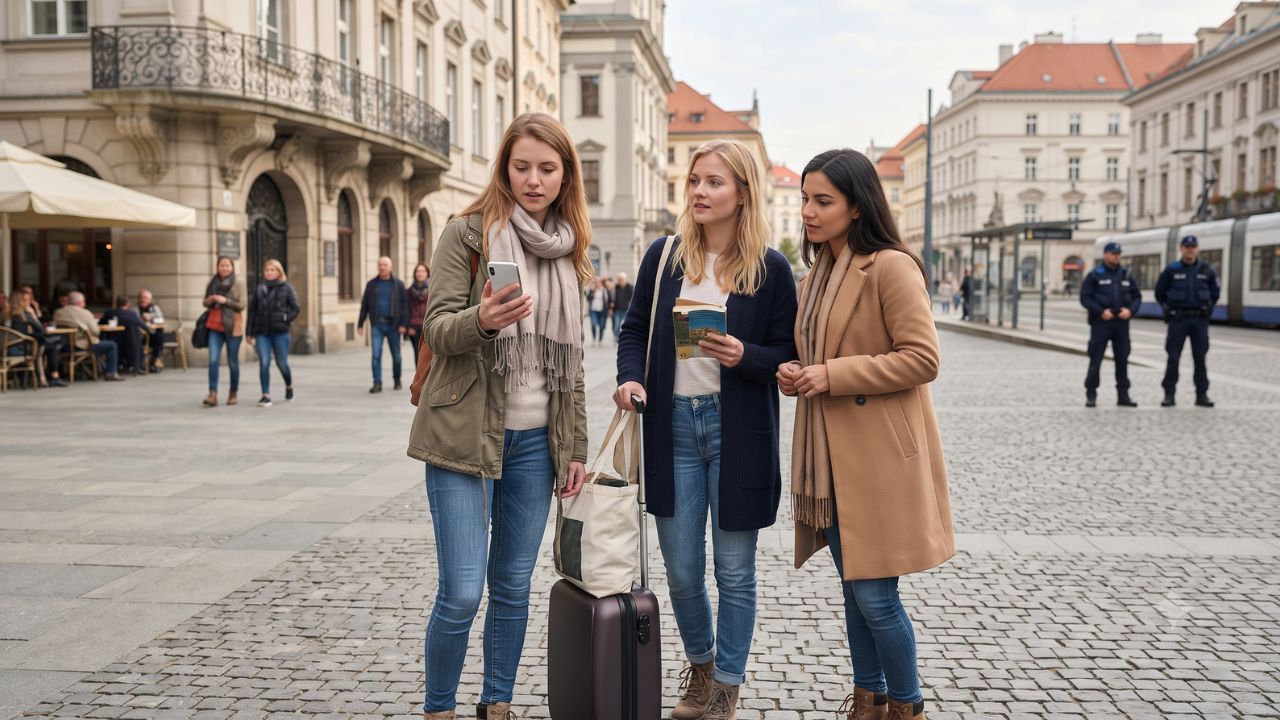
Few international road-trippers realize that attempting to drive out of Croatia with accident damage without an official police damage certificate is illegal, or that Hungary enforces an absolute 0.0 per mille blood alcohol limit where any detectable alcohol leads to immediate detention. As cross-border automotive and rail travel expands across Central Europe, the Swiss Federal Department of Foreign Affairs FDFA has issued comprehensive travel advisories covering localized legal frameworks, transport regulations, and safety protocols across Hungary, Croatia, France, and French overseas territories.
The advisory network operates through continuous risk assessments (Reisehinweise), emergency push notifications via the "Travel Admin" mobile platform, and a 24/7 consular helpline (+41 800 24 7 365 or +41 58 465 33 33). For independent motorists, cultural tourists, and backpackers crossing European borders, staying informed about these regional nuances prevents severe fines, vehicle impoundment, or transit disruptions.
Key Regulatory and Security Updates Across Central European Corridors
While Central Europe remains one of the safest travel environments globally, distinct national laws and localized risks require vigilant planning.
Hungary: Motorway Vignettes, Zero-Tolerance Laws, and Urban Precautions
Motorists driving through Hungary must obtain an electronic motorway vignette before entering toll expressways, including the M1, M3, M5, and M7. Automated camera gantries scan license plates continuously, issuing automated penalties to unregistered vehicles. Hungary enforces a rigid zero-tolerance policy regarding driving under the influence (0.0‰ BAC), meaning any measurable trace of alcohol results in immediate legal proceedings.
In urban hubs such as Budapest, visitors should exercise caution in nightlife venues around District VII to avoid drink-spiking extortion scams. Official Hungarian police officers carry a credit card-sized plastic identification badge with an embedded five-digit service number. On expressways, motorists should remain cautious of staged breakdown maneuvers by roadside thieves, choosing to stop only at well-lit service plazas.
Croatia: Inland Minefield Protocols and Vehicle Damage Certificates
Croatia’s Adriatic coastline and the Istrian peninsula are entirely free of explosive war remnants. However, certain inland sectors affected by the 1991–1995 conflict—such as isolated sections of Lika, Karlovac, Slavonia, and the Zadar hinterland—still contain unexploded ordnance. Motorists and hikers exploring inland must strictly remain on paved routes and obey red warning signs posted by the Croatian Mine Action Center (CROMAC).
A unique legal requirement applies to vehicular collisions in Croatia: whenever an accident causes body damage or involves foreign-registered vehicles, the police must inspect the scene. Officers issue a formal vehicle damage certificate (Potvrda o oštećenju vozila). Crossing international borders out of Croatia in a damaged vehicle without this police certificate is strictly prohibited by border customs.
France and Overseas Territories: Vigipirate Alerts and Clean-Air Stickers
Mainland France continues to operate under heightened security alert levels (Plan Vigipirate), deploying visible military and police patrols across major railway stations, airports, and cultural monuments. Drivers navigating low-emission zones (Zones à Faibles Émissions or ZFE) in Paris, Lyon, Marseille, and Strasbourg must display a physical Crit’Air clean-air windscreen vignette, ordered weeks before arrival.
In French overseas territories, localized conditions vary significantly:
- New Caledonia: Political tensions centered around Nouméa can trigger temporary curfews, road checkpoints, and flight cancellations.
- Mayotte and French Guiana: Travelers face elevated petty crime rates, public sector strikes, and municipal water supply pressures.
- Corsica: Periodic localized demonstrations occur near government facilities.
- La Réunion and Guadeloupe: While hiking trails are accessible, travelers must heed active volcanic warnings and seasonal tropical weather alerts.
Regional Safety and Regulatory Comparison
The following table summarizes core legal requirements, environmental driving mandates, and emergency contacts across the updated advisory destinations:
| Destination | Primary Safety Considerations | Essential Driving & Legal Rules | Emergency Contacts & Resources |
|---|---|---|---|
| Hungary | Nightlife bill scams, highway theft | Absolute 0.0‰ BAC; mandatory e-vignettes for M1, M3, M5, M7 | Emergency: 112; National Police |
| Croatia | Inland conflict remnants (Lika, Slavonia) | Mandatory police damage certificate (Potvrda) for damaged cars | Emergency: 112; HAK Road Assistance |
| France (Mainland) | Pickpocketing, transit strikes, Vigipirate | Mandatory Crit’Air vignette in urban ZFEs; toll SMS scam alerts | Emergency: 112; Interior Ministry |
| New Caledonia | Civil unrest, sudden curfews in Nouméa | Strict adherence to municipal movement restrictions | High Commission of New Caledonia |
| Mayotte & Guiana | Social unrest, infrastructure deficits | Avoid isolated districts after dark; monitor tap water safety | Local Prefecture Advisories |
Visitor Insider Tips for Central European Journeys
Smart route planning and administrative preparation ensure a smooth journey across Central Europe:
- Highway Toll Compliance: Buy digital vignettes directly through official state transit portals before setting out. For Hungary, purchase through official motorway agencies; in France, verify toll payments solely through motorway concessionaires to avoid fraudulent SMS toll links.
- Inland Croatian Navigation: When driving between Zagreb and Split via the D1 highway or exploring Plitvice Lakes, stick to designated paved roadways and maintained national park paths. Reliable travel information is maintained by the Croatian National Tourist Board.
- Public Transport and Overnight Rail: When booking overnight sleeper trains between Central European capitals, secure private sleeper compartments and lock internal cabin deadbolts to prevent luggage tampering during station stops.
- Prescription Medication Rules: Always carry original doctor prescriptions and packaging for standard and psychiatric medications. Certain pain medications containing codeine require special customs documentation when entering non-Schengen border zones.
Cultural Heritage and Sustainable Regional Travel
Central Europe boasts some of the world's most treasured cultural landmarks. From the Buda Castle Quarter in Budapest to the historic fortified city of Dubrovnik—both celebrated UNESCO World Heritage Sites—preserving fragile architectural heritage requires conscious visitor behavior.
High visitor density during peak summer months places enormous pressure on historic residential quarters. Travelers are encouraged to visit during spring (April–May) and autumn (September–October), use electrified regional rail services like the Zagreb-Rijeka or Paris-Strasbourg high-speed links, and patronize locally owned guesthouses and artisan craft workshops outside congested city centers.
Respecting local municipal regulations, environmental driving standards, and cultural etiquettes ensures that global travelers maintain positive connections with host communities throughout their European journey.
FAQ: Visiting Central Europe in 2026
What should I do if my car is damaged in an accident in Croatia?
Call the police immediately to the scene via 112. You must receive an official vehicle damage certificate (Potvrda o oštećenju vozila) from the investigating officer before attempting to cross the border out of Croatia.
Is there any alcohol tolerance when driving in Hungary?
No. Hungary enforces a strict 0.0‰ blood alcohol concentration limit. Any measurable amount of alcohol can result in immediate driver detention and heavy fines.
How do I purchase a French Crit'Air environmental sticker?
Order your official Crit'Air windscreen vignette online directly from the French Ministry for Ecological Transition several weeks prior to driving through low-emission zones like Paris or Lyon.
What is the emergency number for police and medical assistance across Europe?
Dial 112 from any mobile phone or landline for immediate, multi-language emergency assistance throughout Hungary, Croatia, France, and Switzerland.
Navigating Europe with confidence comes from respecting local laws, understanding historical context, and staying prepared for every border crossing.
Related Travel Guides
Disclaimer
This article is for informational and educational purposes only. It does not constitute legal, financial, or professional advice. While we strive to provide accurate and up-to-date information, travel policies, regulations, and conditions change rapidly. Always verify information with official sources before making travel decisions. Nomad Lawyer makes no representations about the accuracy, reliability, completeness, or suitability of the information provided. Readers should consult qualified professionals for advice specific to their circumstances. The views expressed in this article are those of the author and do not necessarily reflect the views of Nomad Lawyer.
Raushan Kumar
Founder & Lead Developer
Full-stack developer with 11+ years of experience and a passionate traveller. Raushan built Nomad Lawyer from the ground up with a vision to create the best travel and law experience on the web.
Learn more about our team →