
Sweden Launches Global Tourism Campaign with First Travel Prescription Turning Nature into Wellness Escape
Sweden's new tourism campaign, The Swedish Prescription, highlights saunas, forests, and outdoor lifestyle as pathways to well-being.

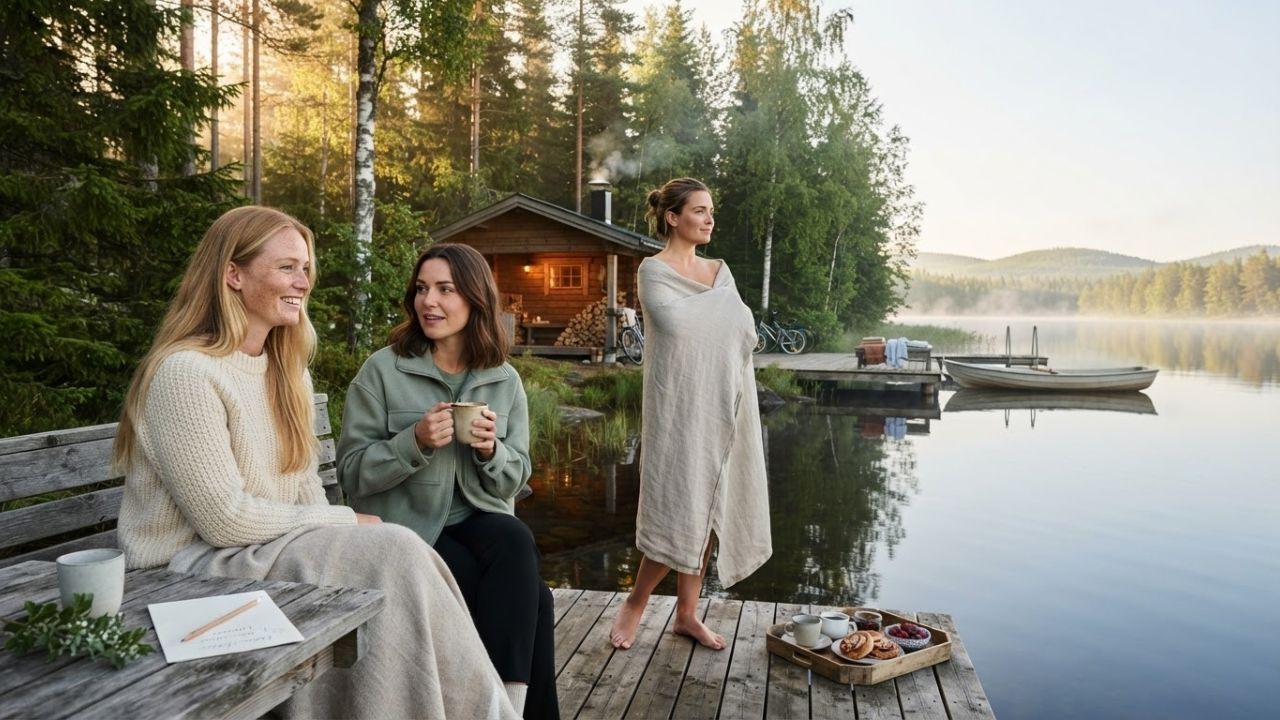
Image generated by AI
Visit Sweden has launched a creative wellness tourism campaign titled "The Swedish Prescription" that markets the country’s natural assets and cultural traditions as lifestyle tools for stress recovery. The initiative promotes nature walks, outdoor saunas, and daily relaxation breaks to encourage travelers to experience a slower pace of life.
The global wellness tourism sector is experiencing a significant evolution. Modern travelers are increasingly moving away from high-intensity sightseeing trips, choosing instead to seek out destinations that facilitate relaxation, stress reduction, and personal well-being. This shift has prompted tourism boards to re-evaluate how they position their natural environments and local cultures.
By framing nature and daily routines as wellness resources, Sweden is encouraging international visitors to engage with its outdoor environment in a more meaningful way.
Redefining Wellness Tourism through Nature and the Swedish Lifestyle
The campaign developed by Visit Sweden introduces the concept of a travel prescription, where the destination itself is recommended to support recovery and balance. While not a medical treatment, the initiative focuses on the lifestyle benefits of visiting the country's extensive natural spaces. The marketing focus highlights the emotional and physical advantages of exploring forests, lakes, coastlines, and traditional outdoor habits.
This strategy utilizes the country's vast natural assets, which are central to Swedish identity. By promoting nature as a setting for relaxation, the campaign aims to build a stronger emotional connection with international visitors who seek to escape fast-paced urban environments.
Traditional Saunas and the Fika Coffee Break Culture
A primary element of the campaign is the integration of local lifestyle traditions into the visitor experience. Swedish sauna culture, historically associated with physical recovery and social connection, is promoted as a tool for relaxation. Visitors are encouraged to combine sauna sessions with swims in nearby lakes or coastal waters, experiencing the traditional contrast between heat and cold.
The campaign also highlights everyday habits that encourage a balanced lifestyle. The Swedish tradition of Fika—a dedicated break to enjoy coffee, pastries, and conversation—is framed as a cultural practice of slowing down to appreciate small moments. By focusing on these accessible, daily habits, the campaign suggests that well-being is achieved through lifestyle choices rather than expensive resort treatments.
Sustainable Eco-Tourism in Lapland and Coastal Sweden
The focus on nature-based travel aligns with sustainable tourism guidelines managed by the Swedish Environmental Protection Agency. Travelers are encouraged to participate in low-impact activities that protect the local environment while supporting rural economies. Sweden's combination of modern transport infrastructure and accessible wilderness areas makes it highly competitive in the eco-tourism market.
The campaign highlights diverse regional experiences across the country:
- Southern Sweden: Offers quiet pine forests, inland lakes, and rural countryside trails for walking and cycling.
- Coastal Regions: Feature extensive archipelagos, historic fishing communities, and sea kayaking routes.
- Northern Sweden (Swedish Lapland): Draws visitors to Arctic environments, seasonal wilderness excursions, and cultural tours managed by the regional department at Swedish Lapland.
Local Visitor Guide and Swedish Cultural Etiquette
To help you explore Sweden's outdoor spaces and experience the local culture:
- Understanding Allemansrätten (Right to Roam): You are legally allowed to walk, cycle, ski, and camp on most public and private land in Sweden. However, this right comes with the strict responsibility to "do not disturb, do not destroy." Avoid camping close to residential houses and pack out all waste.
- Sauna Culture Etiquette: When using public saunas, it is customary to sit on a clean towel for hygiene. Shower thoroughly before entering the hot room, and check if swimwear is required or prohibited in the specific facility.
- Participate in Fika: Seek out independent bakeries (konditori) rather than international chains. Order a kanelbulle (cinnamon bun) or kardemummabulle (cardamom bun) alongside a filter coffee, and take your time to sit and converse.
- Off-Peak Visit Windows: Southern and coastal Sweden are best visited in late spring (May to June) or early autumn (September) to enjoy pleasant weather and quiet trails. For Arctic experiences in Lapland, plan visits between January and March for optimal snow conditions and northern lights viewing.
- Support the Local Economy: Stay in certified eco-lodges and hire local nature guides when exploring remote national parks, ensuring your travel spend directly supports environmental conservation and gateway communities.
Future Projections for Wellness Tourism and Destination Marketing
The launch of the wellness campaign demonstrates how destinations must adapt to stay competitive in a crowded global travel market. By combining nature, local traditions, and well-being into a single message, Sweden is creating a distinct identity that appeals to modern travelers.
Over the coming years, other destinations are likely to adopt similar strategies, focusing on emotional connections and lifestyle benefits rather than generic sightseeing check-lists. By prioritizing sustainable, low-impact travel, the tourism sector can support regional development while preserving the natural assets that attract visitors in the first place.
Related Travel Guides
Disclaimer
This article is for informational and educational purposes only. It does not constitute legal, financial, or professional advice. While we strive to provide accurate and up-to-date information, travel policies, regulations, and conditions change rapidly. Always verify information with official sources before making travel decisions. Nomad Lawyer makes no representations about the accuracy, reliability, completeness, or suitability of the information provided. Readers should consult qualified professionals for advice specific to their circumstances. The views expressed in this article are those of the author and do not necessarily reflect the views of Nomad Lawyer.
Kunal K Choudhary
Co-Founder & Contributor
A passionate traveller and tech enthusiast. Kunal contributes to the vision and growth of Nomad Lawyer, bringing fresh perspectives and driving the community forward.
Learn more about our team →