
Sweden Inlandsbanefestivalen 2026: Rail Tourism Growth and the September Seasonal Gap
Analysis of the 2026 Inlandsbanefestivalen reveals a 10% surge in summer rail demand, highlighting a critical disconnect between cultural event timing and scheduled passenger service availability in northern Sweden.

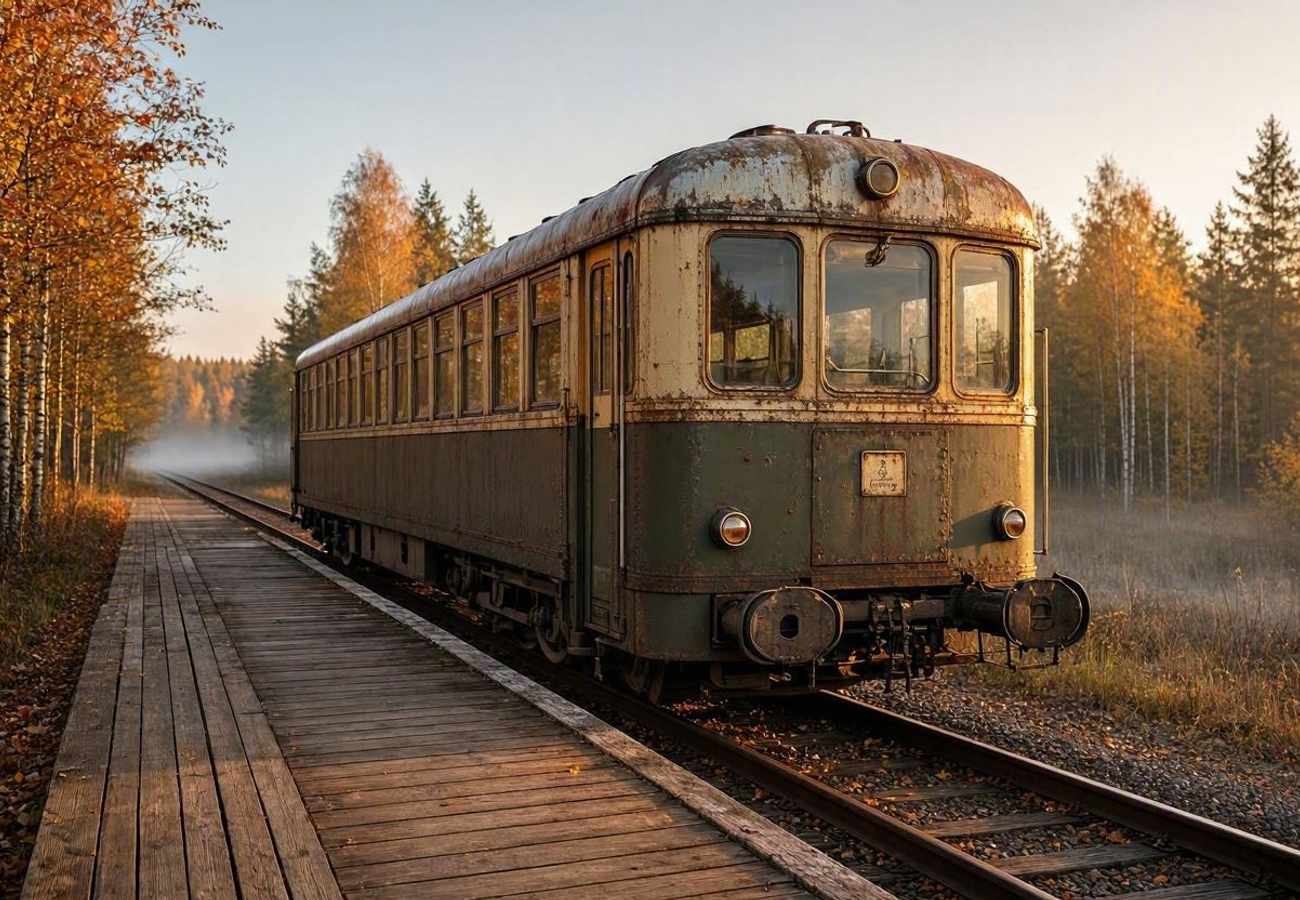
Image generated by AI
Passenger journeys on the Inlandsbanan summer tourist line increased by approximately 10% in 2026 compared to the previous year, yet a critical operational gap persists: the official passenger season ended on 12 August, leaving September cultural events without scheduled rail access. This divergence between rising demand and rigid seasonal scheduling creates a complex logistical environment for travelers attending the Inlandsbanefestivalen, which reaches Jokkmokk on 20 September 2026.
The Inlandsbanefestivalen 2026 Data Set
The Inlandsbanefestivalen operates on a unique "traveling festival" model where the event moves via railbus, integrating the act of railway transit into the cultural experience. The 2026 itinerary confirms a stop in Östersund on 17 September and a concluding event in Jokkmokk on 20 September. In Jokkmokk, the festivities are hosted at Folkets Hus from 18:00 to 20:00 with free admission.
While the festival utilizes railway equipment to move its program, this does not translate to public passenger availability. The data shows a stark contrast between the festival's movement and the Inlandsbanan official operating window. The summer 2026 passenger traffic, which included daily services between Östersund and Gällivare, concluded on 12 August. Consequently, the railbus arriving in Jokkmokk on 20 September is a logistical vehicle for the festival, not a bookable transport option for the general public.
Comparative Analysis: Demand vs. Availability
The 10% year-over-year growth in summer passenger volume is a significant indicator of the "slow travel" trend gaining traction in Northern Europe. This growth occurred despite a shortened operating season caused by planned track maintenance, suggesting that the latent demand for experience-led rail travel is higher than current capacity.
When comparing the festival dates to the operational calendar, the "September Gap" becomes evident. For destinations like Jokkmokk and Östersund, the railway is a primary driver of cultural identity, yet the infrastructure is not currently leveraged to support shoulder-season events.
| Metric/Event | Summer Tourist Season (2026) | Inlandsbanefestivalen (Sept 2026) | Impact on Traveler |
|---|---|---|---|
| Operating Window | 16 June to 12 August | 17 Sept (Östersund) / 20 Sept (Jokkmokk) | No scheduled passenger trains in Sept |
| Passenger Volume | ~10% increase YoY | Event-specific movement | High demand for rail, limited access |
| Transport Mode | Scheduled Tourist Trains | Railbus (Event-led) | Railbus is not for public booking |
| Access Route | Direct Rail to Jokkmokk | Rail to Murjek $\rightarrow$ Bus 43 | Increased travel time and complexity |
| Reliability | High (1 vehicle fault) | N/A (Event Logistics) | Strong confidence in summer ops |
This pattern reflects a broader regional trend identified by the World Tourism Organization (UNWTO), where rural destinations struggle to convert high-impact, short-term cultural events into sustainable, year-round tourism revenue due to transport bottlenecks.
What This Means for Travelers
For those planning to visit Jokkmokk for the festival on 20 September, the presence of a railbus at the station is a visual marker of the event, not a transport solution. To reach the venue, travelers must utilize the conventional main-line network.
Actionable Booking Advice:
- Route Planning: The most viable rail access is to travel to Murjek, the nearest main-line station. From Murjek, travelers must secure a seat on Bus Route 43 for the approximately one-hour journey to Jokkmokk.
- Alternative Connections: Regional bus routes connecting Gällivare and Östersund to Jokkmokk are available, but these must be cross-referenced with September timetables, as summer frequencies typically drop after August.
- Booking Window: Given the 10% increase in overall rail interest, any remaining shoulder-season regional transport should be booked 4-6 weeks in advance to avoid capacity issues.
Forward Projection: The Case for Shoulder-Season Expansion
The 2026 data suggests that the Inlandsbanan is no longer just a niche attraction but a growing component of the Swedish visitor economy. A 10% increase in passengers during a shortened season indicates that the market is under-served.
The current disconnect—where a festival celebrates the railway while the railway is closed to the public—represents a lost revenue opportunity. Moving forward, we expect to see a shift toward "Event-Linked Specials." This would involve the operator running dedicated, bookable charter trains specifically for the Inlandsbanefestivalen dates, bridging the gap between the August closing and the September events. If Inlandsbanan continues its current growth trajectory, the transition from a seasonal "tourist line" to a flexible "cultural corridor" is the logical next step for regional development.
FAQ: Inlandsbanefestivalen 2026
Can I book a train ticket to Jokkmokk for the September 20 festival? No. Regular Inlandsbanan passenger services ended on 12 August 2026. The railbus seen during the festival is for event logistics and is not open for public passenger bookings.
What is the best way to reach Jokkmokk in late September? The recommended route is taking the main-line train to Murjek and then transferring to Bus Route 43 for the final leg of the journey.
Is the Inlandsbanefestivalen free to attend? Yes, according to Jokkmokk Municipality, the event at Folkets Hus on 20 September from 18:00 to 20:00 has free admission.
How has Inlandsbanan performed in 2026? The operator reported a roughly 10% increase in summer passenger journeys compared to 2025, with high operating reliability and strong passenger satisfaction scores.
The gap between cultural aspiration and operational reality remains the final hurdle for Sweden's inland rail revival.
Related Travel Guides
Disclaimer
This article is for informational and educational purposes only. It does not constitute legal, financial, or professional advice. While we strive to provide accurate and up-to-date information, travel policies, regulations, and conditions change rapidly. Always verify information with official sources before making travel decisions. Nomad Lawyer makes no representations about the accuracy, reliability, completeness, or suitability of the information provided. Readers should consult qualified professionals for advice specific to their circumstances. The views expressed in this article are those of the author and do not necessarily reflect the views of Nomad Lawyer.
Naina Thakur
Contributor & Travel Specialist
Travel enthusiast and legal writer covering visa regulations, responsible tourism, and cultural journeys across global destinations.
Learn more about our team →