
Seibu Railway to Defy Industry Norms by Upcycling 144 Train Cars for 2028 Rollout
Seibu Railway rejects the 'scrap and buy' model, opting to refurbish 144 Series 20000 cars at Hitachi’s Kasado Works to hit net-zero goals by 2028.

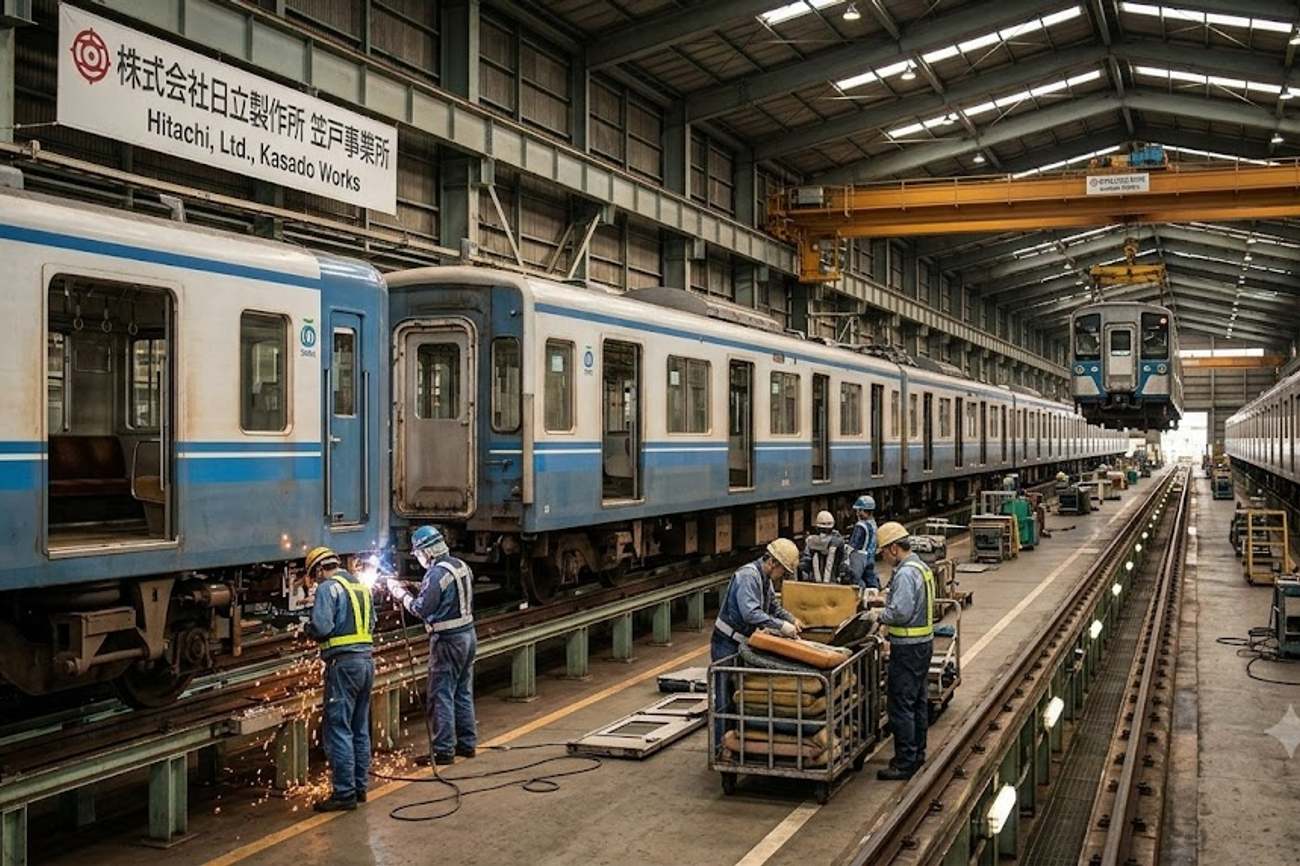
Image generated by AI
Tokyo Rail Operator Rejects Traditional Disposal Cycles
[Tokyo, September 3, 2026] — While the prevailing standard in the Japanese rail industry dictates that rolling stock reaching the 25-year mark is sent to the junkyard, Seibu Railway is implementing a disruptive strategy to extend the life of its fleet. Beginning in 2028, the operator will pivot away from the conventional "scrap and buy" procurement model to upgrade 144 cars of its Series 20000 fleet.
This strategic shift arrives at a time of escalating operational costs and intensifying pressure to achieve net-zero emissions across Japan's transportation networks. By choosing remanufacturing over replacement, Seibu Railway is addressing the critical challenges of raw material scarcity and the environmental toll of heavy industrial manufacturing.
Industrial Logic Behind Remanufacturing Heavy Rail
For decades, the transit sector has operated on a linear lifecycle: vehicles are utilized for approximately 20 to 25 years, decommissioned, and their metals melted down to make way for new fabrications. Seibu Railway is breaking this cycle by treating its 144-car fleet as a long-term circular asset rather than disposable hardware.
While the public will notice cosmetic improvements—including updated interior flooring, new seating, fresh exterior paint, and enhanced accessibility zones—the primary driver is industrial efficiency. By retaining the original structural aluminium shells and foundational frames, the operator secures several operational advantages.
First, the move significantly lowers embodied carbon. The smelting and assembly of new railway cars are energy-intensive processes; preserving existing shells eliminates the need for this primary production. Second, it drastically reduces industrial waste by keeping heavy framing and overhead luggage racks in service. Furthermore, utilizing proven structural frames bypasses the risky and time-consuming testing phases associated with new vehicle prototypes and shields the operator from global supply chain bottlenecks affecting steel and heavy metal procurement.
The Kasado Works Closed-Loop Manufacturing Process
A pivotal element of this initiative is the logistics of the refurbishment. All 144 train cars are scheduled for transport to Hitachi’s Kasado Works facility located in Kudamatsu, Yamaguchi Prefecture. This represents a historic first for Japanese rail: rolling stock is returning to its original point of assembly for a comprehensive mechanical and structural overhaul.
Returning the fleet to its "birthplace" offers engineering precision that third-party depots cannot match. Kasado Works possesses the original architectural blueprints, metallurgy reports, and structural stress measurements from the initial 1999–2000 production run.
To support this, Hitachi Rail is constructing specialized refurbishment bays designed specifically for the Series 20000 layout. The project will be executed by a workforce that simultaneously handles the production of municipal monorails and high-speed Shinkansen bullet trains, ensuring that the refurbished fleet meets the highest quality control and structural tolerance standards.
Comparative Analysis: Scrapping vs. Modernization
The difference between traditional fleet replacement and Seibu Railway’s closed-loop strategy is evident when examining the operational metrics.
| Metric / Operational Area | Traditional Complete Replacement Strategy | Seibu Railway Closed-Loop Modernisation Strategy |
|---|---|---|
| Fleet Scope | 144 Entirely New Train Cars | 144 Refurbished & Modernised Cars |
| Primary Location | Varied Third-Party Factories | Kasado Works (Kudamatsu, Yamaguchi Prefecture) |
| Service Entry Target | Requires Long Engineering Timelines | Phased Passenger Service Rollout From 2028 |
| Structural Shell Lifecycle | Terminated at 20–25 Years | Extended by 15–20 Years Beyond Baseline |
| Interior Approach | Complete Scraping & Full Re-fabrication | Target Refresh (New Seats/Flooring, Retained Hardware) |
| Accessibility Standard | Mixed Standard Retrofits | Universal Barrier-Free Spaces in Every Single Car |
| Industrial Footprint | Heavy Raw Material Extraction | Industrial Remanufacturing & Reuse Model |
Enhancing the Commuter Experience for 2028
Although the project is driven by industrial sustainability, the end-user experience remains a priority. The Series 20000 trains, which first entered service in February 2000, were praised for their quiet operation and clean aesthetics. The 2028 rollout will maintain this identity while integrating modern accessibility standards.
Commuters can expect the following upgrades:
- Universal Free Spaces: Every car will feature dedicated areas for wheelchairs, baby strollers, and large travel luggage to ensure inclusive transit.
- Ergonomic Upgrades: New upholstery and seat cushions designed for the rigors of high-density urban commuting.
- Modernized Aesthetics: New interior lighting and floor panels that align with contemporary design trends.
- Sustainable Retention: Hardware such as overhead luggage racks will be cleaned and recertified rather than replaced, further reducing material consumption.
Why This Matters: The Shift Toward Circular Infrastructure
For the daily traveler, this transition signals a move toward more reliable and inclusive transit without the volatility of "new-build" delays. From a logistical standpoint, Seibu Railway is proving that the "mid-life crisis" of a train fleet does not have to result in a junkyard.
The decision to refurbish rather than replace is a calculated response to the environmental cost of aluminium production. When an operator discards a structurally sound shell simply because the electronics are dated, it creates an unnecessary carbon debt. By extending the operational life of these frames from 25 years to over 40 years, Seibu Railway is establishing a blueprint for other global transit agencies.
This approach demonstrates that true sustainability in transport is not just about buying the "greenest" new train available, but about maximizing the utility of existing assets. It balances fiscal responsibility with carbon reduction, proving that the most sustainable vehicle is often the one that has already been built.
Related Travel Guides
Disclaimer
This article is for informational and educational purposes only. It does not constitute legal, financial, or professional advice. While we strive to provide accurate and up-to-date information, travel policies, regulations, and conditions change rapidly. Always verify information with official sources before making travel decisions. Nomad Lawyer makes no representations about the accuracy, reliability, completeness, or suitability of the information provided. Readers should consult qualified professionals for advice specific to their circumstances. The views expressed in this article are those of the author and do not necessarily reflect the views of Nomad Lawyer.
Preeti Gunjan
Contributor & Community Manager
A passionate traveller and community builder. Preeti helps grow the Nomad Lawyer community, fostering engagement and bringing the reader experience to life.
Learn more about our team →