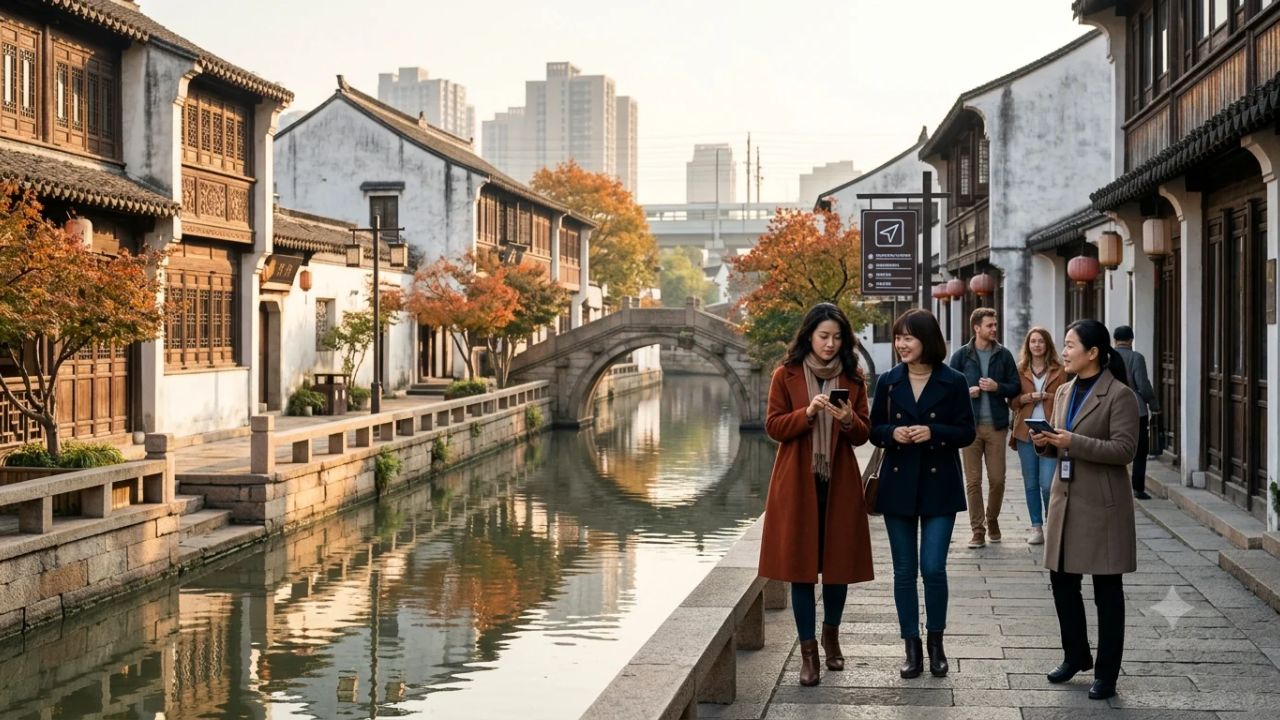
Surabaya Autumn Tourism 2026 Surges as Gen Z Travelers Drive Booking Boom Across East Java's Volcanic Wonders and Cultural Heritage

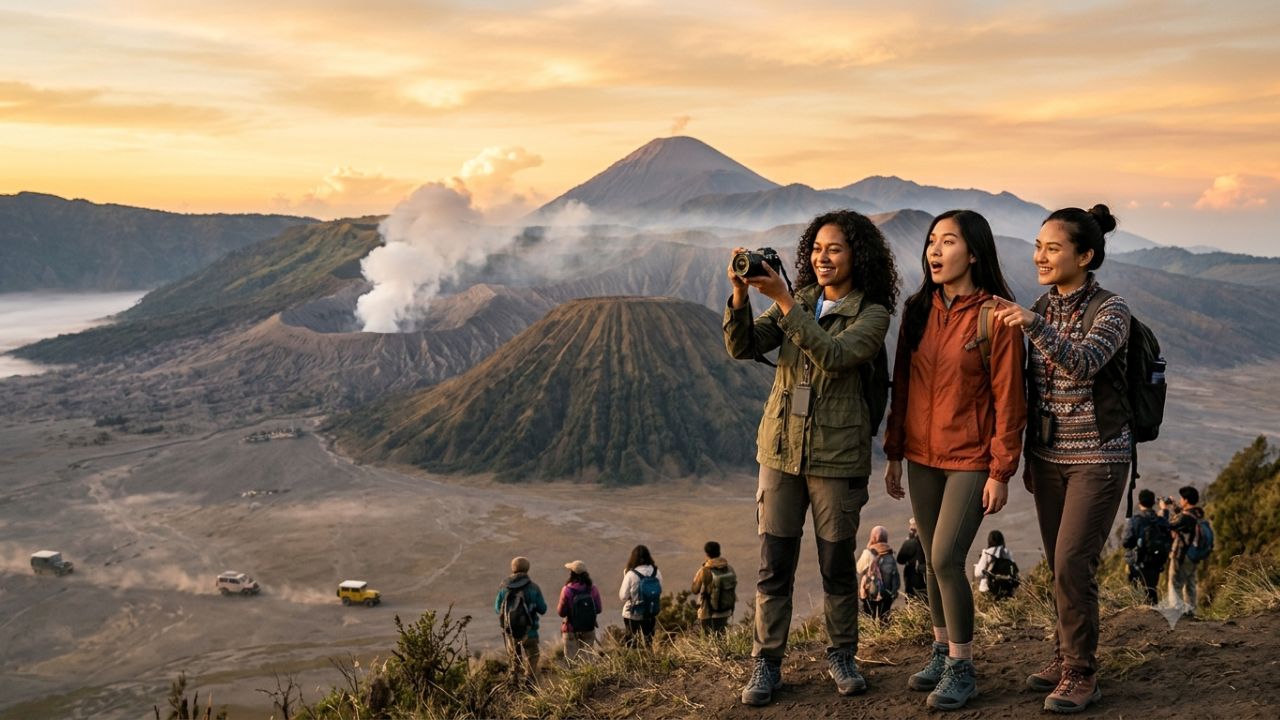
SURABAYA, Indonesia — Surabaya, the dynamic commercial and maritime capital of East Java, has recorded an extraordinary surge in autumn 2026 tourism bookings, driven predominantly by Generation Z independent travelers seeking immersive outdoor adventures, active volcano expeditions, and authentic cultural heritage across the eastern Indonesian archipelago.
Long perceived primarily as an industrial shipping port and corporate commercial transit gateway, Indonesia’s second-largest metropolis has rapidly transformed into one of Southeast Asia’s most compelling secondary-city travel destinations.
Official macroeconomic and tourism indicators released by BPS-Statistics Indonesia reveal that the autumn travel season—spanning the dry transition months from September through November—has generated record-breaking occupancy rates across regional hotels, private charter operators, and wilderness trekking outfits.
Nationwide, foreign visitor arrivals reached 10.58 million across the first eight months of the year, with August alone recording 1.60 million foreign entries, reflecting a 6.27 percent year-over-year increase and marking the strongest inbound travel velocity documented since 2020.
East Java has emerged as a premier beneficiary of this decentralized influx, with Juanda International Airport (SUB) processing tens of thousands of direct international arrivals while domestic provincial journeys exceeded fifteen million trips.
The driving force behind this tourism expansion is a fundamental generational shift.
Younger demographics, led by travelers born between the late 1990s and early 2010s, are systematically turning away from overcrowded, high-cost primary tourist magnets like southern Bali and central Jakarta.
Instead, they are funneling their discretionary travel budgets into secondary urban centers that provide seamless logistical connectivity, budget-friendly boutique lodgings, and direct highway access to extraordinary natural landscapes.
From the smoking caldera of Mount Bromo and the otherworldly blue flames of Ijen Crater to the monumental amphitheater of Tumpak Sewu Waterfall, Surabaya has established itself as the indispensable urban launchpad for the ultimate Indonesian adventure circuit.
EAST JAVA & SURABAYA TOURISM SURGE: KEY BENCHMARKS
| Performance Indicator | Measured Metric (2026) | Strategic Sector Significance |
|---|---|---|
| National Inbound Momentum | 10.58 Million Foreign Arrivals | Highest national visitor |
| (First Eight Months) | (+6.27% YoY August surge) | volume recorded since 2020 |
| East Java Gateway Entries | 23,775 Monthly Foreign Entries | Direct international access |
| (Juanda Airport - SUB) | via direct regional flights | bypassing Jakarta and Bali |
| Provincial Domestic Volume | Over 15.5 Million Trips | Massive domestic traveler base |
| across East Java routes | exploring regional provinces | |
| Primary Driver Demographic | Generation Z & Young Adults | Focus on outdoor adventure, |
| (Ages 18 to 28) | authenticity, & digital media | |
| Top Adventure Assets | Mount Bromo, Ijen Crater, | High-demand geological routes |
| Tumpak Sewu & Madakaripura | booked weeks in advance |
The Rise of Secondary-City Asian Tourism: Decentralizing Beyond Bali and Jakarta
The remarkable growth of Surabaya’s autumn visitor economy reflects a broader structural evolution unfolding across the Southeast Asian travel landscape.
For decades, international leisure travel to Indonesia was defined by an extreme geographic concentration.
Foreign passport holders flew almost exclusively into Bali’s Ngurah Rai International Airport for beach resort holidays, or visited Jakarta for corporate business meetings, leaving the vast, culturally diverse expanse of the remaining seventeen thousand islands largely unvisited by international vacationers.
By late 2026, however, the phenomenon of overtourism in primary hubs catalyzed a powerful consumer shift toward alternative destinations.
Southern Bali’s coastal enclaves—such as Canggu, Seminyak, and Uluwatu—began suffering from chronic roadway congestion, escalating lodging costs, water resource depletion, and growing friction between foreign partygoers and local traditional banjars.
Discerning international travelers seeking authentic Indonesian encounters increasingly found themselves alienated by the hyper-commercialization of conventional resort corridors.
                   INDONESIAN TOURISM PARADIGM TRANSFORMATION

   [ Saturated Primary Hub Model (Legacy Approach) ]
         * International arrivals heavily concentrated in Southern Bali & Jakarta
         * Infrastructure bottlenecks: Severe traffic gridlock, inflated resort prices
         * Superficial cultural engagement centered around packaged tourist enclaves

   [ Diversified Secondary-City Model (2026–2027) ]
         * Direct regional flights into Surabaya Juanda (SUB) from Asian hubs
         * Fast highway transit via the Trans-Java Toll Road network
         * Dispersal into East Java's raw geological wonders & living cultural heritage
         * Equitable economic distribution supporting regional family micro-enterprises
In response, the Indonesian Ministry of Tourism and Creative Economy accelerated its strategic "10 New Balis" national development masterplan, designed to cultivate regional economic engines across the archipelago.
The Bromo-Tengger-Semeru priority tourism area was designated as a flagship national strategic tourism zone (KSPN).
As the administrative and logistical gateway to this zone, Surabaya offers an exceptional value proposition: modern international aviation facilities, high-speed rail connections, reliable electrical and digital infrastructure, and a rich historical background as the "City of Heroes" (Kota Pahlawan), all while maintaining the grounded, authentic charm of a working Indonesian port city.
The Gen Z Travel Mindset: Experiential Value and Visual Storytelling
To understand the mechanics fueling Surabaya’s autumn booking surge, one must analyze the consumption psychology of Generation Z.
Now entering their peak independent travel years, Gen Z travelers command substantial discretionary spending power and exercise outsized influence over global travel trends.
Unlike older demographic cohorts that prioritized all-inclusive resort packages, standardized motorcoach tours, and passive relaxation, younger travelers view travel as an arena for personal growth, physical challenge, and creative digital storytelling.
GENERATIONAL TRAVEL CONSUMPTION COMPARISON
| Entity / Route | Metrics | Operational Status |
|---|---|---|
| Travel Attribute | Traditional Mass Package Traveler | Generation Z Adventure Traveler |
| Primary Travel Motive | Passive relaxation, resort amenities | Active exploration, hiking, nature |
| Destination Selection | Familiar beach resorts, major cities | Dramatic geological landscapes |
| Accommodation Choice | Standardized international chain | Independent boutique hotels, |
| resorts with pool facilities | designer hostels, local homestays | |
| Discovery Channel | Print brochures, travel agencies | Viral short-form video (TikTok, |
| and packaged tour operators | Instagram Reels, travel vlogs) | |
| Culinary Approach | International hotel buffet dining | Authentic local street food, |
| and Western restaurant chains | third-wave coffee roasteries | |
| Mobility Strategy | Large private tour motorcoaches | 4x4 Land Cruisers, executive rail, |
| on rigid pre-set itineraries | flexible scooter rentals |
For Gen Z, East Java represents the quintessential travel frontier.
The region’s landscape is defined by dramatic topographical contrasts: smoking volcanic craters rising above sweeping sand seas, subterranean sulfur vents glowing neon-blue in midnight darkness, and colossal waterfalls tumbling into primordial jungle canyons.
These environments provide visually arresting content that performs exceptionally well on digital discovery platforms such as TikTok, Instagram, and YouTube.
Surabaya functions as the indispensable logistical anchor for these wilderness expeditions.
Young travelers rely on the city to provide essential modern amenities—reliable high-speed Wi-Fi to research routes and upload content, specialty coffee shops to work remotely, affordable boutique hostels to meet fellow backpackers, and medical clinics to purchase altitude sickness medications—before departing on demanding multi-day expeditions into the volcanic hinterlands.
Aviation and Highway Logistics: Bypassing Jakarta Through Direct Regional Gateways
The rapid growth of Surabaya autumn tourism is structurally supported by major infrastructure modernizations executed across East Java’s transportation networks over the past five years.
                    EAST JAVA MULTIMODAL LOGISTICAL GRID

   [ Direct International Aviation Gateways ]
   (Kuala Lumpur, Singapore, Bangkok, Hong Kong, Taipei)
                         |
                         v
   [ Juanda International Airport - Terminal 2 (SUB) ]
                         |
           +-------------+-------------+
           |                           |
           v                           v
   [ Trans-Java Toll Road Network ]    [ PT Kereta Api Executive Rail Corridors ]
   * Express highway to Malang (1 hr)  * Direct executive trains to Probolinggo
   * Direct expressway to Probolinggo  * Scenic southern routes to Banyuwangi (Ijen)
   * Smooth link to Mount Bromo access * Rail connections to Central Java & Jakarta
                         |
                         v
   [ 4x4 Mountain Jeep & Regional Trekking Outfits ]
   Deep access into Bromo Sea of Sand, Ijen Plateau, & Lumajang Waterfalls
1. Expanded International Flight Schedules at Juanda Airport
Juanda International Airport (SUB), located in neighboring Sidoarjo just fifteen kilometers south of downtown Surabaya, has expanded its international terminal capacity.
Airlines including AirAsia, Scoot, Singapore Airlines, Batik Air Malaysia, and regional Asian carriers have introduced high-frequency direct flights linking Surabaya with key Asian transport mega-hubs:
- Multiple daily non-stop flights connect Surabaya directly to Singapore Changi (SIN) and Kuala Lumpur International (KUL), allowing travelers from Europe, North America, Australia, and the Middle East to reach East Java with a single seamless connection.
- Direct flights connecting to Bangkok Don Mueang (DMK) and Hong Kong (HKG) provide direct conduits for East Asian and Southeast Asian weekend travelers.
By eliminating the traditional necessity of landing in Jakarta’s congested Soekarno-Hatta International Airport—which previously required changing domestic terminals and enduring lengthy layovers—direct international routing saves travelers up to six hours of transit time and substantially lowers overall flight expenses.
2. The Trans-Java Toll Road Network
On the ground, the completion and continuous expansion of the Trans-Java Toll Road (Jalan Tol Trans-Jawa) has revolutionized intra-provincial mobility.
Historically, traveling from Surabaya to the highland city of Malang or the coastal gateway of Probolinggo required navigating narrow, heavily congested two-lane arterial roads clogged with freight trucks and local motorbikes, turning a ninety-kilometer journey into an exhausting four-hour ordeal.
Today, modern four-lane divided expressways—such as the Surabaya–Gempol, Gempol–Pandaan, and Pandaan–Malang toll segments—allow private charter vans and express shuttle buses to reach Malang in under an hour.
Similarly, the Pasuruan–Probolinggo (Paspro) toll extension enables travelers departing Surabaya at midnight to reach the mountain basecamp of Sukapura (the primary gateway to Mount Bromo) in less than two and a half hours, making dawn sunrise treks convenient and safe.
The East Java Adventure Circuit: Geological Wonders Driving the Autumn Surge
The primary engine powering Surabaya’s autumn booking explosion is the extraordinary concentration of geological wonders situated across the East Java provincial landscape.
The autumn period—extending from September through late November—coincides with the tail end of the dry season, offering clear morning skies, low humidity, and optimal trail conditions before heavy monsoon rains arrive in December.
EAST JAVA PREMIER GEOLOGICAL ADVENTURE CIRCUIT
| Entity / Route | Metrics | Operational Status |
|---|---|---|
| Natural Wonder | Geographical Location | Signature Adventure Experience |
| Bromo Tengger Semeru | Probolinggo & Pasuruan Regencies | 4x4 Jeep ride across Sea of Sand; |
| National Park | (2.5 hours southeast of Surabaya) | sunrise from Penanjakan Viewpoint; |
| crater rim staircase climb | ||
| Ijen Crater | Banyuwangi & Bondowoso Regencies | Midnight alpine hike; viewing rare |
| (Kawah Ijen) | (6 hours east of Surabaya) | natural "blue fire"; turquoise |
| acidic crater lake at sunrise | ||
| Tumpak Sewu Waterfall | Lumajang Regency | Trekking to bottom of 120m semi- |
| (Coban Sewu) | (3 hours south of Surabaya) | circular jungle water curtain via |
| steep bamboo ladders and streams | ||
| Madakaripura Waterfall | Probolinggo Regency | Walking through a 200m circular |
| (Sacred Majapahit Site) | (2 hours southeast of Surabaya) | stone canyon with natural rain |
| curtains; Java's tallest waterfall |
1. Mount Bromo and the Tengger Caldera
Situated within the Bromo Tengger Semeru National Park, Mount Bromo (2,329 meters) represents one of the most recognizable volcanic landforms on Earth.
Departing Surabaya between midnight and 01:00 AM, travelers travel by air-conditioned van to Sukapura or Cemoro Lawang, where they transfer into iconic vintage Toyota Land Cruiser 4x4 jeeps.
The expedition follows a proven, thrilling sequence:
- Sunrise Over the Caldera: Jeeps ascend steep mountain switchbacks to reach the high-altitude viewpoints of Mount Penanjakan or King Kong Hill (2,770 meters). As the first rays of sunlight break over the horizon, the expansive Tengger caldera is unveiled, showcasing the smoking cone of Mount Bromo and Mount Batok surrounded by the mystical Sea of Sand (Lautan Pasir), with the massive silhouette of active stratovolcano Mount Semeru (3,676 meters) puffing ash plumes in the far distance.
- Crossing the Sea of Sand: Descending to the caldera floor, travelers cross the barren volcanic desert on foot or horseback to reach the base of Mount Bromo.
- The Crater Rim Climb: Hikers climb a steep concrete staircase of 253 steps to stand directly on the narrow rim of the active volcano, listening to the deep, resonant roar of boiling sulfur vapors emanating from the subterranean magma chamber below.
2. The Ethereal Ijen Crater and the Electric Blue Fire
Located further east near the port city of Banyuwangi, the Ijen Crater complex offers a nocturnal expedition without equal.
Beginning around 01:00 AM from the Paltuding trailhead, hikers undertake a rigorous three-kilometer ascent climbing uphill along steep volcanic scree paths.
Equipped with headlamps and certified gas respirators, travelers descend into the rocky crater basin in pitch darkness to witness the world-famous "blue fire" phenomenon.
Ignited by high-pressure sulfuric gases escaping through rocky fissures at temperatures exceeding 600°C (1,112°F), the gases combust upon contact with atmospheric oxygen, generating eerie, luminous electric-blue flames that flow down the rock faces like glowing lava.
As dawn illuminates the crater, the blue fire fades to reveal a breathtaking sight: a massive, one-kilometer-wide turquoise-colored acidic crater lake, recognized as the largest highly acidic lake on the planet.
Along the steep paths, travelers encounter traditional sulfur miners carrying bamboo baskets burdened with eighty to ninety kilograms of solidified yellow sulfur chunks, providing a sobering glimpse into the arduous human labor embedded in this volcanic landscape.
3. Tumpak Sewu and Madakaripura Waterfalls
East Java’s aquatic wonders have experienced an explosion in viral popularity.
Tumpak Sewu (meaning "A Thousand Waterfalls" in the local Javanese dialect), situated in Lumajang Regency, features a vast, amphitheater-like waterfall where dozens of distinct streams pour over a 120-meter sheer cliff draped in tropical ferns and mosses.
Reaching the base requires descending a challenging obstacle course of steep bamboo ladders, wooden walkways, and ankle-deep rushing streams, offering the exact blend of physical exertion and dramatic visual payoff sought by Gen Z adventurers.
Equally mystical is Madakaripura Waterfall in Probolinggo.
Believed to have been the deep meditation sanctuary of Gajah Mada, the legendary fourteenth-century Prime Minister of the Majapahit Empire, the waterfall drops two hundred meters inside a narrow, circular rock chamber.
Visitors walk along the canyon floor as fine sheets of water rain down continuously from the towering cliffs above, creating a natural cathedral of mist and stone.
Urban Heritage and Cultural Tourism: Exploring the City of Heroes
While East Java’s natural wonders capture the spotlight on social media, Surabaya’s urban core offers a compelling cultural and architectural counterpoint.
Known throughout the country as Kota Pahlawan (the City of Heroes), Surabaya was the crucible of the Indonesian National Revolution, most famously during the fierce Battle of Surabaya in October and November 1945.
                    SURABAYA URBAN HERITAGE ENCLAVES

   [ Historic Colonial District (Kota Tua) ]
         * Jembatan Merah (Red Bridge): Historical center of 1945 independence struggle
         * Dutch Colonial Architecture: Classic European facades along Jalan Rajawali
         * House of Sampoerna: Dutch colonial tobacco heritage museum & art gallery

   [ Ampel Arab Quarter (Kampung Arab) ]
         * Ampel Mosque: Founded in 1421 by Sunan Ampel, one of the Wali Songo saints
         * Traditional Suq Bazaars: Middle Eastern perfumes, prayer textiles, and spices
         * Halal Gastronomy: Nasi Kebuli, lamb samosas, and cardamom-infused tea

   [ Chinatown Heritage Quarter (Kya-Kya) ]
         * Zheng He Mosque: Striking pagoda-inspired Chinese Islamic architecture
         * Traditional Clan Temples: Century-old Taoist shrines along Jalan Karet
In downtown Surabaya, the municipal government has executed targeted heritage restoration projects to revitalize the Kota Tua (Old Town) district.
Pedestrian promenades lined with restored Dutch colonial commercial buildings, art galleries, and riverside promenades along the Kalimas River provide insight into the city's maritime trading history.
In the historic Ampel Arab Quarter, narrow pedestrian alleyways replicate the atmosphere of a Middle Eastern bazaar, centered around the 600-year-old Ampel Mosque and traditional bakeries selling sweet roti maryam and spiced mutton stews.
In nearby Malang, visitors frequently stop at Kampung Warna-Warni Jodipan, the famous Rainbow Village.
Originally an impoverished riverside settlement slated for municipal clearance, the neighborhood was transformed into a global tourism landmark through an innovative university design project that painted every roof, wall, and walkway in bold, saturated colors.
The initiative generated direct economic livelihoods for local residents through small admission fees, community art stalls, and neighborhood refreshment stands, serving as a celebrated model of community-based urban regeneration.
Gastronomic Evolution: East Javanese Culinary Heritage and Third-Wave Cafes
Culinary exploration has become a standalone pillar of Surabaya’s tourism appeal.
East Javanese cuisine is celebrated for its deep, complex flavor profiles, characterized by the extensive use of pungent fermented shrimp paste (petis), aromatic torch ginger, and indigenous black keluak nuts.
EAST JAVANESE GASTRONOMIC ESSENTIALS MATRIX
| Entity / Route | Metrics | Operational Status |
|---|---|---|
| Regional Dish | Signature Culinary Ingredients | Cultural & Flavor Experience |
| Rawon Surabaya | Beef brisket simmered in dark broth | Rich, earthy, savory broth served |
| colored with fermented keluak nuts | with salted duck egg and sambal | |
| Rujak Cingur | Boiled beef snout, tofu, tempeh, | Pungent, complex blend of sweet, |
| green mango, kangkung, & petis paste | spicy, and savory umami flavors | |
| Lontong Kupang | Tiny estuarine mussels served over | Traditional coastal street dish |
| compressed rice cakes in garlic broth | paired with grilled sate kerang | |
| Tahu Telur Surabaya | Fried tofu and egg omelette tower | Crispy, airy texture smothered in |
| topped with bean sprouts & peanuts | rich savory petis-garlic sauce |
The undisputed king of Surabaya’s culinary scene is Rawon, an aromatic beef soup distinguished by its jet-black color, derived from the fermented seeds of the native kluwek (Pangium edule) tree.
Slow-cooked for hours with beef shank, lemongrass, kaffir lime leaves, and shallots, Rawon is served piping hot alongside steamed jasmine rice, salted duck eggs, raw bean sprouts, and fiery sambal terasi.
Historic eateries such as Rawon Setan (Devil’s Rawon, famously named because it originally opened only at midnight) and Rawon Kalkun draw continuous lines of domestic and international food enthusiasts.
Simultaneously, Surabaya has experienced a boom in specialty third-wave coffee shops and independent roasteries.
Capitalizing on East Java’s status as a premier coffee-producing province—where high-altitude volcanic soils on Mount Ijen, Mount Argopuro, and the Tengger highlands yield exceptional Arabica and Robusta beans—local roasters showcase single-origin pour-overs, cold brews, and innovative espresso beverages in beautifully designed minimalist cafes across districts like Gubeng and Tegalsari.
Hospitality Economics: Boutique Hotels and the Decentralized Multiplier
The surge in autumn bookings has delivered positive economic shockwaves throughout East Java’s hospitality and service sectors.
While five-star international hotels in Surabaya—such as the JW Marriott, Sheraton, and Vasa Hotel—continue to maintain strong corporate and conference occupancy, the primary beneficiaries of the Gen Z booking surge have been budget-boutique hotels, lifestyle hostels, and serviced residences.
                    REGIONAL TOURISM ECONOMIC MULTIPLIER

   [ International & Domestic Visitor Spending Influx ]
                         |
           +-------------+-------------+
           |                           |
           v                           v
   [ Urban Service Sector (Surabaya) ] [ Highland Rural Ecosystem (Probolinggo, Lumajang) ]
   * Boutique hotels & designer hostels* 4x4 Jeep driver cooperatives
   * Third-wave cafes & street warungs * Indigenous mountain guides & porters
   * Private charter van operators     * Cold-weather gear & thermal jacket rentals
   * Digital SIM & gear retail outlets * Rural family homestays & village eateries
Establishments such as Morazen Surabaya, G Suites Hotel, and Kampi Hotel have documented near-capacity occupancy levels throughout September, October, and November.
To appeal to younger international travelers, property operators have modernized their amenities, incorporating dedicated co-working lounges, high-speed fiber-optic connectivity, communal kitchen spaces, and smartphone-based digital room keys.
Equally significant is the decentralized economic distribution across rural communities.
When a traveler books an adventure package originating in Surabaya:
- Capital flows directly to local 4x4 jeep cooperatives in Sukapura and Tosari, where hundreds of local drivers provide essential transportation across the Bromo caldera.
- Income is generated for local village homestays and family-run warungs (small eateries), providing vital secondary income for indigenous Tenggerese agricultural communities.
- Small equipment rental shops—which rent heavy winter jackets, gloves, and trekking poles to travelers unaccustomed to sub-zero alpine mornings on the volcanic peaks—experience rapid inventory turnover.
Environmental Conservation, Carrying Capacities, and National Visa Frameworks
The rapid acceleration of Surabaya autumn tourism presents environmental and logistical challenges that require active management to ensure long-term ecological sustainability.
SUSTAINABLE TOURISM GOVERNANCE & POLICY MATRIX
| Entity / Route | Metrics | Operational Status |
|---|---|---|
| Governance Dimension | Administrative Intervention | Ecological & Cultural Safeguard |
| Carrying Capacity Limits | Strict daily quota capping at Bromo | Prevents trail degradation; halts |
| (National Parks) | (2,752 visitors/day max allocation) | vehicular erosion on Sea of Sand |
| Digital Quota Ticketing | Mandatory online reservation and | Eliminates uncontrolled gate |
| (TNBTS Official System) | payment prior to arrival | congestion; tracks daily entries |
| Cultural Sanctity | Total vehicular and tourist closures | Protects sacred Hindu Yadnya |
| (Tenggerese Heritage) | during holy Yadnya Kasada ceremonies | Kasada spiritual rites & offerings |
| Electronic Visa Systems | Seamless 30-day e-VoA with 30-day | Encourages extended slow travel; |
| (e-VoA & Nomad Visas) | online extension; nomad visas | attracts long-stay remote workers |
1. Digital Quota Management at Mount Bromo
To prevent the ecological degradation and overcrowding that previously plagued Bromo Tengger Semeru National Park, the Ministry of Environment and Forestry (KLHK) has enforced a strict daily carrying capacity limit of 2,752 visitors per day.
Access is managed through an official digital booking portal (bookingbromo.bromotenggersemeru.org), requiring travelers and licensed tour operators to register passenger passport details and purchase tickets in advance.
Vehicular traffic across the Sea of Sand is strictly restricted to designated tracks, while periodic "rest days"—during which the national park is closed to all tourism activity—allow native flora and fauna to recover.
During the sacred Yadnya Kasada festival, when indigenous Tenggerese Hindu priests and villagers ascend to the crater rim to cast agricultural offerings into the volcanic abyss to appease the mountain gods, the entire park is closed to commercial tourism, ensuring cultural religious sovereignty is fully preserved.
2. National Visa Facilitation: Supporting Extended Travel
Indonesia’s nationwide immigration modernizations have substantially lowered barriers for international visitors.
The expansion of the Electronic Visa on Arrival (e-VoA) system allows passport holders from ninety-seven countries to secure their thirty-day tourist visa online prior to departure, passing through automated biometric e-gates at Juanda International Airport in under sixty seconds.
The e-VoA can be extended online for an additional thirty days without visiting local immigration offices, enabling young professionals and remote digital nomads to base themselves in Surabaya for up to two months.
This extended length of stay supports the growing trend of "slow travel," where visitors spend weeks exploring East Java’s lesser-known islands (such as Madura) and marine parks rather than rushing through high-speed weekend itineraries.
The Independent Backpacker's Field Playbook: Navigating East Java from Surabaya
For independent travelers and adventure seekers planning an expedition through East Java, strategic field logistics ensure safety, comfort, and seamless transit.
EAST JAVA EXPEDITION ACTION PLAYBOOK
| Entity / Route | Metrics | Operational Status |
|---|---|---|
| Phase / Step | Recommended Field Action | Practical Strategic Benefit |
| 1. Gateway Arrival | Fly directly into Juanda (SUB); | Bypasses Jakarta transfers; cuts |
| purchase local Telkomsel eSIM online | guarantees high-speed rural data | |
| 2. Basecamp Strategy | Spend 1 night in central Surabaya; | Rest before midnight departures; |
| sample Rawon; book Bromo jeep tour | verifies registered guide credentials | |
| 3. Packing Discipline | Pack thermal windproof layers, | Protects against 2°C (35°F) dawn |
| headlamp, and certified P100 gas mask | alpine cold and toxic sulfur fumes | |
| 4. Waterfall Logistics | Wear water shoes with rubber grip; | Prevents slipping on wet bamboo |
| carry waterproof dry bag at Tumpak | ladders in deep river ravines |
Step 1: Gear Preparation for Volcanic Extremes
Travelers frequently underestimate how cold East Java's volcanic peaks become before dawn.
While lowland Surabaya swelters in 32°C (90°F) tropical heat, temperatures at the Penanjakan Bromo viewpoint and the Ijen crater rim routinely drop to between 2°C and 6°C (35°F–42°F) before sunrise, occasionally plummeting below freezing with windchill.
Pack the following essentials:
- Layered Clothing: Thermal base layers, a fleece sweater, and a windproof, water-resistant outer jacket.
- Respiratory Protection for Ijen: Standard paper surgical masks offer zero protection against toxic sulfur dioxide (SO2) gas. Rent or purchase a half-face silicone respirator fitted with certified organic vapor and acid gas cartridges (such as 3M 6000-series with P100 filters) before descending into the Ijen crater.
- Footwear: Broken-in trail running shoes or hiking boots with deep rubber lugs. Bring sturdy water shoes with rubber soles for river wading at Tumpak Sewu.
Step 2: Optimal Circuit Itinerary Flow
The most efficient geographical routing for exploring East Java without backtrack transit:
- Day 1: Arrive at Surabaya Juanda Airport (SUB). Explore the Old Town and Ampel Quarter; dine on authentic Rawon; rest early.
- Day 2: Midnight departure to Mount Bromo. Sunrise over the Sea of Sand, crater rim trek. Afternoon transfer via toll road to Malang.
- Day 3: Early-morning excursion to Tumpak Sewu Waterfall in Lumajang. Explore Rainbow Village in Jodipan; evening relaxation in Malang’s cafe district.
- Day 4: Executive train from Malang to Banyuwangi (or private charter van). Rest at an Ijen basecamp hotel.
- Day 5: 01:00 AM midnight hike to Ijen Crater for the blue fire and sunrise over the turquoise lake. From Banyuwangi, catch the thirty-minute Ketapang ferry to Gilimanuk (Bali), or take a scenic morning train back to Surabaya for international return flights.
Strategic Horizons: Surabaya as the Blueprint for Regional Asian Ecotourism
The autumn 2026 tourism surge in Surabaya and East Java marks a defining moment in the evolution of Southeast Asian travel.
The destination has proven that secondary metropolitan centers do not need to mimic the glitz of primary capitals or build artificial theme parks to attract high-value international travelers.
By embracing its identity as a working port city, celebrating its authentic street cuisine, investing in cross-provincial toll highways, and safeguarding its astonishing volcanic and waterfall wonders through responsible digital quotas, Surabaya has established a new global benchmark for sustainable regional tourism.
For Generation Z travelers who value raw reality over staged luxury, the rugged beauty of East Java offers a profound, unforgettable encounter with the elemental power of the Earth.
As the morning sun illuminates the smoking caldera of Mount Bromo and the neon-blue flames dance within the depths of Ijen Crater, Surabaya stands proudly as the gateway to an extraordinary adventure—welcoming the world to experience Indonesia in its purest, most awe-inspiring form.
Related Travel Guides
- Germany and France Lead Ten-Nation European Coalition Expanding Sustainable Rail Travel
- Netherlands and European Nations Shift Tourism from Volume to Value: Landmark JRC Economic Data Drives Reforms
- Busan Triggers Historic One Trillion Won Tourism Boom Bypassing Seoul: Direct International Flights and Cruises
- Princess Cruises Launches Blue Friday 2026 Campaign with 50% Fare Cuts and Complimentary Guests
- UAE and Global Destinations Face Compounding Travel Strain as International Visitor Arrivals Decelerate
This article is for informational purposes. Flight routes, passenger regulations, visa rules, and transit advisories are subject to change by airlines and aviation authorities. Readers are advised to verify schedules and travel documentation with relevant carriers and border agencies before departure.