
Global Energy Crisis Erupts: US Iran Conflict Sparks Strait of Hormuz Closure, Plunging Saudi Arabia, UAE, and Qatar into Massive Shipping Disruption as Oil Prices Skyrocket
Gulf tensions erupt into a severe global energy crisis as Iran violently shuts down the Strait of Hormuz in retaliation against a U.S. naval blockade, sending shockwaves through Saudi Arabia and global oil markets.

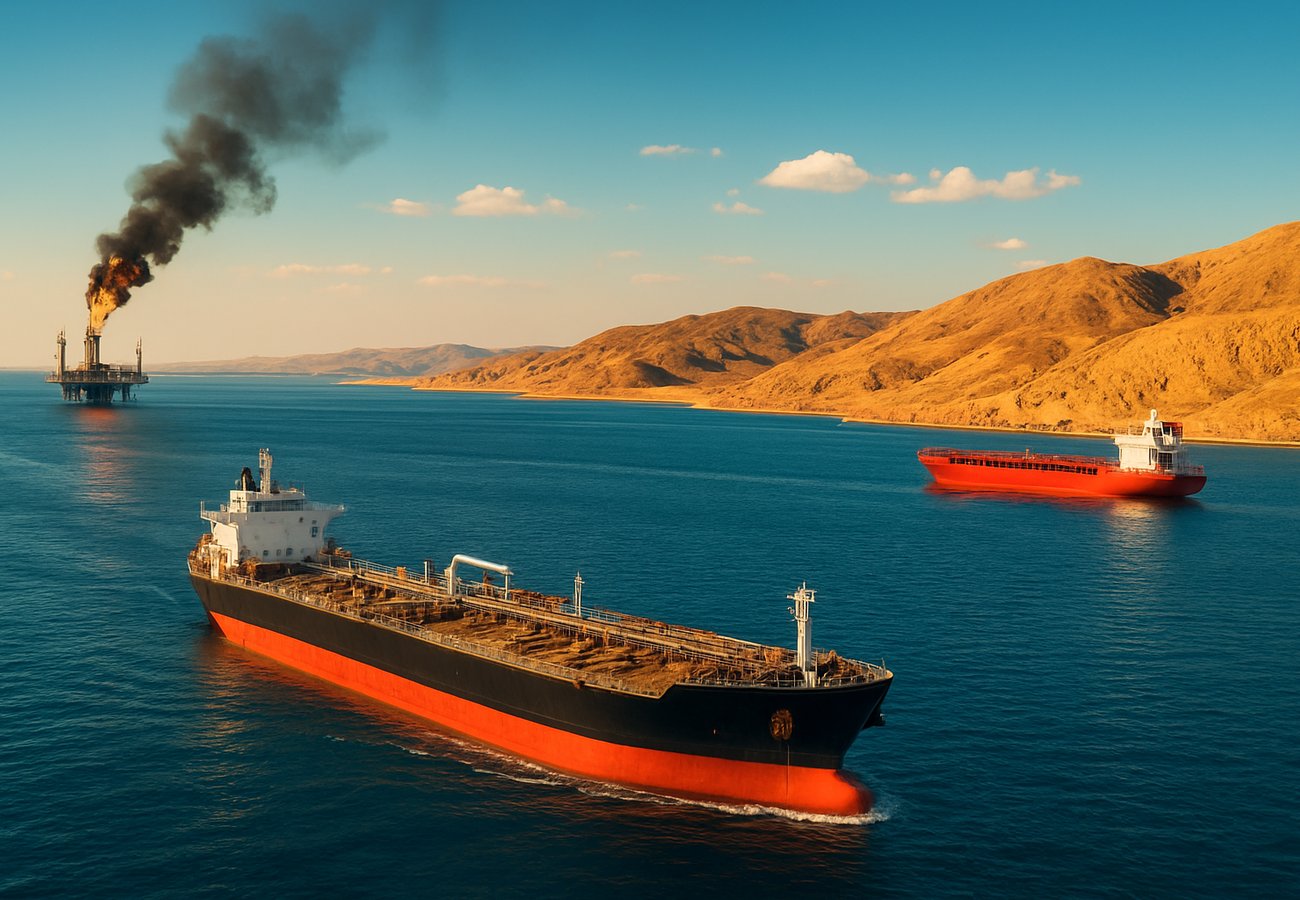
Image generated by AI
The world is plunging headfirst into a paralyzing global energy crisis fueled by a dramatic and sudden escalation in the ongoing US Iran conflict. In a devastating retaliatory maneuver that has instantly sent shockwaves through international trading markets, Iran has officially and aggressively closed the Strait of Hormuz. Tehran’s unyielding decision to cut off the world's most critical maritime chokepoint was cited as a direct, unapologetic response to a tightening U.S. naval blockade targeting Iranian ports. This abrupt closure immediately places massive geopolitical and economic crosshairs on regional allies including Saudi Arabia, the UAE, Qatar, Bahrain, Oman, and Kuwait. With global oil prices instantly rocketing upward, widespread shipping disruption is virtually guaranteed as the globe braces for an unprecedented energy supply shock.
Expanded Overview: A Chokepoint Paralyzed
The sheer scale of this maritime shutdown is difficult to overstate. The Strait of Hormuz is the absolute jugular vein of the global energy sector, unilaterally handling roughly 20% of all global oil and liquefied natural gas (LNG) shipments daily. Previously, in a brief moment of diplomatic optimism just one day prior to this shutdown, Iranian authorities had signaled a temporary reopening of the passage. However, in an incredibly volatile pivot that highlights the raw instability of the region, that decision was violently reversed. Tehran has completely reinstated its localized maritime authority, declaring an era of "strict management" over the strait that prohibits standard commercial flow until American forces formally lift their blockade.
Geopolitical Context: The U.S. Naval Blockade
This escalating crisis stems deeply from fractured diplomatic promises and hardline military posturing. In the eyes of the Iranian government, the ongoing American naval blockade severely restricts sovereign Iranian shipping and explicitly violates previous agreements brokered regarding the strait's temporary accessibility. Operating under what they view as a severe violation of international trust, Iran has utilized the strait closure to force Washington’s hand.
Conversely, the Unites States military and diplomatic arms remain entirely resolute. U.S. Central Command insists that the maritime blockade is absolutely necessary to ensure broader regional stability and check Iranian hegemony over the waterway. Washington remains firm that the blockade will not be lifted until comprehensive negotiations—most notably dialogues concerning Iran's highly controversial nuclear program—are completely and satisfactorily concluded.
Global Energy Impact: The Price Shock
An immediate reduction in 20% of the Earth's daily oil supply is a catastrophic event for global commodity markets. Because crude oil and LNG prices are hypersensitive to Middle Eastern geopolitical risks, the mere announcement of the shipping disruption triggered instantaneous, violent volatility across benchmark indices. Even a moderately short closure of the Strait of Hormuz structurally guarantees a punishing, long-lasting spike in fuel prices that will rapidly trickle down into the everyday cost of living, jet fuel expenses, and raw manufacturing across the Western hemisphere.
Shipping & Trade Impact: Rerouting and Paralysis
The maritime logistics sector is already bleeding from the fallout. Leading international shipping conglomerates and global insurers have instantly deemed the entrance to the Persian Gulf a high-risk security threat. Fleet commanders have been explicitly ordered to defensively reroute commercial cargo vessels and oil supertankers rather than risk interception or collateral damage near the Iranian coast. This defensive maneuvering requires extending journey times by weeks, dramatically elevating maritime insurance premiums, burning thousands of tons of excess bunker fuel, and severely interrupting global supply chains that rely on just-in-time delivery models.
Regional Impact (Gulf States): An Economy Held Hostage
The closure places the Arabian Peninsula in a state of absolute economic alarm. Neighbors such as Saudi Arabia, the UAE, Qatar, Kuwait, Oman, and Bahrain strictly rely on the unhindered access of the Strait of Hormuz to offload their massive domestic oil exports to Asian and European buyers.
With their primary export artery tightly severed, these Gulf States are now on high alert. Any sustained delay in oil deliveries translates to billions of dollars in deferred or lost sovereign revenue. While these nations are closely tied to U.S. defense treaties, they possess a fiercely independent need to keep regional trade flowing. In a desperate scramble to secure alternative land-based pipelines and maritime corridors, Gulf leadership teams have aggressively ramped up frantic backdoor diplomatic efforts to de-escalate the Gulf tensions before their economies sustain structural damage.
Industry / Expert Analysis: A Powder Keg
Geopolitical risk analysts and energy experts agree that this specific disruption is exceptionally dangerous. The Strait of Hormuz is not simply a waterway; it is the physical baseline upon which global economic stability is currently balanced. Because alternate pipeline routes across the Arabian Peninsula lack the capacity to fully replace the millions of barrels usually shipped daily through the strait, a sustained closure logically forces physical oil shortages. This transforms a regional military standoff directly into an international economic nightmare, severely challenging global inflation targets and potentially plunging vulnerable, energy-importing nations strictly into recession.
What Happens Next: The Diplomatic Outlook
As military vessels idle in the Arabian Sea, the risk of a miscalculated kinetic escalation remains horrifyingly high. International monitors are breathlessly dissecting the hushed, ongoing negotiations currently being facilitated by third-party international mediators between Washington and Tehran. The entire immediate future of the Strait of Hormuz completely hinges on whether the United States is willing to strategically ease its naval blockade, or if Iran is willing to capitulate under increased international sanctions.
Conclusion: A World Waiting at the Edge
A permanent or prolonged closure of the Strait of Hormuz represents an existential threat to modern global trade. So long as the US Iran conflict dictates the flow of 20% of the world's energy supply, every importing nation remains entirely captive to this localized dispute. Until the U.S. blockade is addressed or diplomatic concessions are securely brokered, Iran’s total control over the strait ensures that global energy markets, international shipping vectors, and the direct sovereign wealth of Saudi Arabia and the UAE remain held firmly in limbo.
Key Takeaways
- Strait Shut Down: Iran has officially closed the Strait of Hormuz, cutting off access to 20% of global oil and LNG shipments.
- Retaliatory Measure: The shutdown is a direct retaliation against an ongoing, rigid U.S. naval blockade targeting critical Iranian ports.
- Severe Economic Shock: Global oil prices have immediately spiked in response to the massive, instantaneous shipping disruption.
- Gulf States Paralyzed: Export-reliant allies including Saudi Arabia, the UAE, Qatar, Kuwait, Bahrain, and Oman are facing billions in deferred revenue and severe economic bottlenecks.
- Geopolitical Stalemate: The U.S. refuses to lift its blockade until Iranian nuclear negotiations are finalized, while Iran enforces strict maritime management, leading to soaring Gulf tensions.
Related Travel Guides
Disclaimer
This article is for informational and educational purposes only. It does not constitute legal, financial, or professional advice. While we strive to provide accurate and up-to-date information, travel policies, regulations, and conditions change rapidly. Always verify information with official sources before making travel decisions. Nomad Lawyer makes no representations about the accuracy, reliability, completeness, or suitability of the information provided. Readers should consult qualified professionals for advice specific to their circumstances. The views expressed in this article are those of the author and do not necessarily reflect the views of Nomad Lawyer.
Raushan Kumar
Founder & Lead Developer
Full-stack developer with 11+ years of experience and a passionate traveller. Raushan built Nomad Lawyer from the ground up with a vision to create the best travel and law experience on the web.
Learn more about our team →