
Unprecedented Travel Chaos Looms Over 2026 World Cup: U.S. State Department Deploys Emergency 'FIFA Pass' Amid $150 Transit Shock and Staggering Airport Disruptions
As 7 million fans descend for the 2026 FIFA World Cup, massive transit fee hikes, stringent visa backlogs, and severe travel disruptions threaten the summer's biggest event.

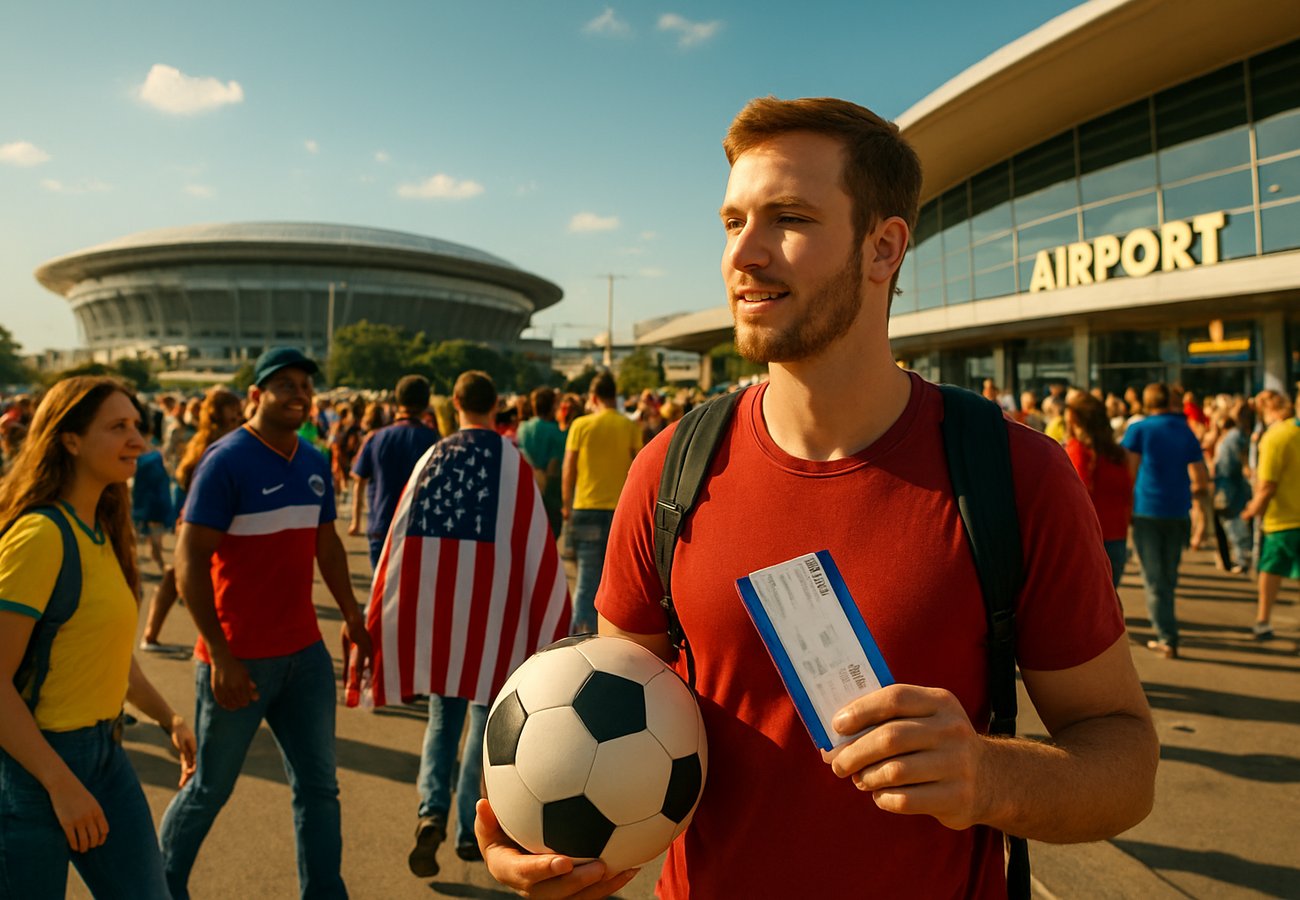
Image generated by AI
The impending 2026 FIFA World Cup is rapidly evolving from a joyous global sporting reunion into a monumental logistical pressure cooker. As North America braces for the opening whistle on June 11, 2026, an estimated 5 million to 7 million international travelers are preparing to flood across the borders. However, this unprecedented influx of humanity is instantly pushing continental infrastructure to its absolute breaking point, sparking warnings of severe travel chaos. From agonizing bureaucratic bottlenecks at international embassies to eye-watering local transit price gouging, the sheer scale of the event is actively threatening to overwhelm host cities, generating relentless aviation updates and travel warnings for tourists worldwide.
Expanded Overview: An Infrastructure on the Brink
The hospitality and transportation industries are staring down the "Holy Grail" of 2026, desperately hoping this tournament serves as a massive economic springboard following a highly sluggish 2025 where U.S. international tourism dropped by nearly 6%. Conversely, the sheer volume of anticipated inbound flights is already triggering severe airport disruptions. With millions of fans demanding localized transit across the U.S., Canada, and Mexico simultaneously for 90-minute matches, federal agencies and local governments are instituting drastic emergency measures simply to prevent a systemic collapse of civil infrastructure.
Section-Wise Breakdown: Host Cities Navigating Chaos
Massive urban centers are fundamentally rewriting their transit and security protocols to survive the coming summer.
New York & New Jersey: The Transit Price Shock
In the New York and New Jersey metropolitan hub, getting a visa might pale in comparison to simply reaching the stadium. Local authorities have enacted a staggering 1,000% increase in localized transit fares explicitly for the World Cup window. Commuters and fans traveling from Manhattan to MetLife Stadium will now be forced to pay a shocking $150 for a round-trip transit ticket that ordinarily costs a mere $13. New Jersey Governor Mikie Sherrill indirectly stated that this massive upcharge is a non-negotiable necessity to protect local taxpayers from footing the bill for years to come. The state is actively leveraging these fares to strategically recoup an anticipated $48 million deficit that the tournament's organizing committee rigidly refused to cover, sparking furious viral outrage.
Atlanta: The Lodging Squeeze
Atlanta is preparing to absorb an unfathomable 500,000 arriving international fans. The immediate impact on the localized ground game has been brutal; hotel prices across the broader metropolitan area have already sustained a 60% baseline pricing surge. The sheer volume of incoming passengers ensures that Hartsfield-Jackson Atlanta International Airport will face rolling, severe flight cancellations and passenger bottlenecks as the tarmac reaches absolute capacity.
Boston: Aggressive Shuttle Economics
In Boston, access to Gillette Stadium is encountering similarly aggressive economic gatekeeping. With commuter rail expansions lagging, $95 express buses have emerged as the sole viable method for thousands of fans to bridge the massive distance between the city center and the suburban stadium, placing an incredibly heavy financial burden on international travelers already paying premium airfares.
Los Angeles: Fan Zones and Ground Stops
Over on the West Coast, Los Angeles is actively bracing for the chaos. Knowing that hundreds of thousands of non-ticket holders will still flood the city purely for the atmosphere, SoFi Stadium architects are hastily designating massive exterior "fan zones" equipped to handle stadium-sized spillover.
Travel Details & Economic Barriers
The explicit, concrete numbers outlining this incoming wave of international travel and subsequent transit strain are as follows:
| Host Region / Sector | Anticipated Volume / Cost | Operational Status |
|---|---|---|
| New York / MetLife Stadium | $150 Round-Trip Transit Fare | Confirmed (1,000% regular fare increase) |
| Atlanta Hospitality | 500,000 Expected Fans | Confirmed (60% baseline surge in hotel pricing) |
| Boston / Gillette Stadium | $95 Express Bus Fare | Confirmed (Aggressive localized transit hike) |
| Global Embassies | Over 600 Copied Consular Officers | Deployed to process massive visa backlog |
| North American Incoming Volume | 5 to 7 Million Travelers | Preparing for extreme border traffic |
Passenger Impact: The "FIFA Pass" and Strict Border Logging
The federal government is frantically attempting to clear the gates. To prevent millions of fans from being stranded overseas due to historically bloated embassy wait times, the U.S. State Department has officially unveiled an emergency “FIFA Pass.” This specialized digital fast-track system is explicitly engineered to accelerate visa interview slots strictly for verified, ticket-holding fans. Recognizing the impending disaster of closed borders on game day, over 600 additional consular officers have been globally redeployed to aggressively attack the backlog.
However, senior State Department spokespeople have indirectly warned that a “FIFA Pass” is categorically not a free ticket to board. National security directives ensure that, despite the expedited interview, rigorous and unforgiving background checks will still apply globally. Furthermore, the 6-month passport validity rule will be harshly enforced across all land and air entry points; passports expiring within six months of the travel date will result in immediate denied boarding. As this is a tri-country tournament, travelers must synchronize their paperwork, as Canada and Mexico retain entirely separate, strict entry requirements unrelated to the U.S. FIFA Pass.
Industry Analysis: High-Stakes Homeland Security
Behind the massive ticketing prices lies extreme federal security caution. The U.S. Department of Homeland Security has definitively designated every single World Cup match as a "National Special Security Event." This classification is the highest operational alert level possible for a civilian gathering, effectively meaning that localized travel immediately surrounding massive stadiums will mirror international airport-style screening. Travelers must anticipate brutal road closures, heavy randomized vehicle checks, and multi-tier security perimeters that will radically extend localized travel times well beyond standard GPS estimates.
Conclusion: Balancing Magic and Logistics
The 2026 World Cup promises to be a stunning global reunion, an unparalleled celebration of the beautiful game capable of uniting 7 million diverse souls across a single continent. Yet, as the opening whistle draws closer, the logistical reality is undeniable. Between the staggering $150 transit fares to MetLife stadium, the frantic rollout of the State Department’s FIFA Pass, and surging hotel costs, everyday travelers face a gauntlet of economic and bureaucratic hurdles. Those attempting to bypass the travel chaos must heed government advice: proactively engage in "intentional" travel, seek lodging in secondary markets like Philadelphia or Charlotte, rely heavily on scheduled shuttle buses, and absolutely avoid attempting last-minute bookings in saturated hubs like Dallas or Miami.
Key Takeaways
- Emergency Visa Processing: The U.S. has launched the "FIFA Pass" and deployed 600 additional consular officers to combat a massive international visa backlog.
- Massive Transit Hikes: Travel to MetLife Stadium in New Jersey will incur a shocking $150 round-trip fare to offset a $48 million organizing deficit.
- Security Lockdowns: All matches are designated "National Special Security Events," resulting in airport-style security perimeters and relentless road closures.
- Strict Passport Rule: Travelers will instantly be denied boarding if their passport expires within six months of their arrival date across any of the three host nations.
Related Travel Guides
Disclaimer
This article is for informational and educational purposes only. It does not constitute legal, financial, or professional advice. While we strive to provide accurate and up-to-date information, travel policies, regulations, and conditions change rapidly. Always verify information with official sources before making travel decisions. Nomad Lawyer makes no representations about the accuracy, reliability, completeness, or suitability of the information provided. Readers should consult qualified professionals for advice specific to their circumstances. The views expressed in this article are those of the author and do not necessarily reflect the views of Nomad Lawyer.
Raushan Kumar
Founder & Lead Developer
Full-stack developer with 11+ years of experience and a passionate traveller. Raushan built Nomad Lawyer from the ground up with a vision to create the best travel and law experience on the web.
Learn more about our team →