
Digital Evolution Srinagar: Airport Unveils Biometric Boarding
Digital evolution Srinagar International Airport launches DigiYatra facial recognition in March 2026, transforming passenger processing across India's strategic Kashmir gateway.

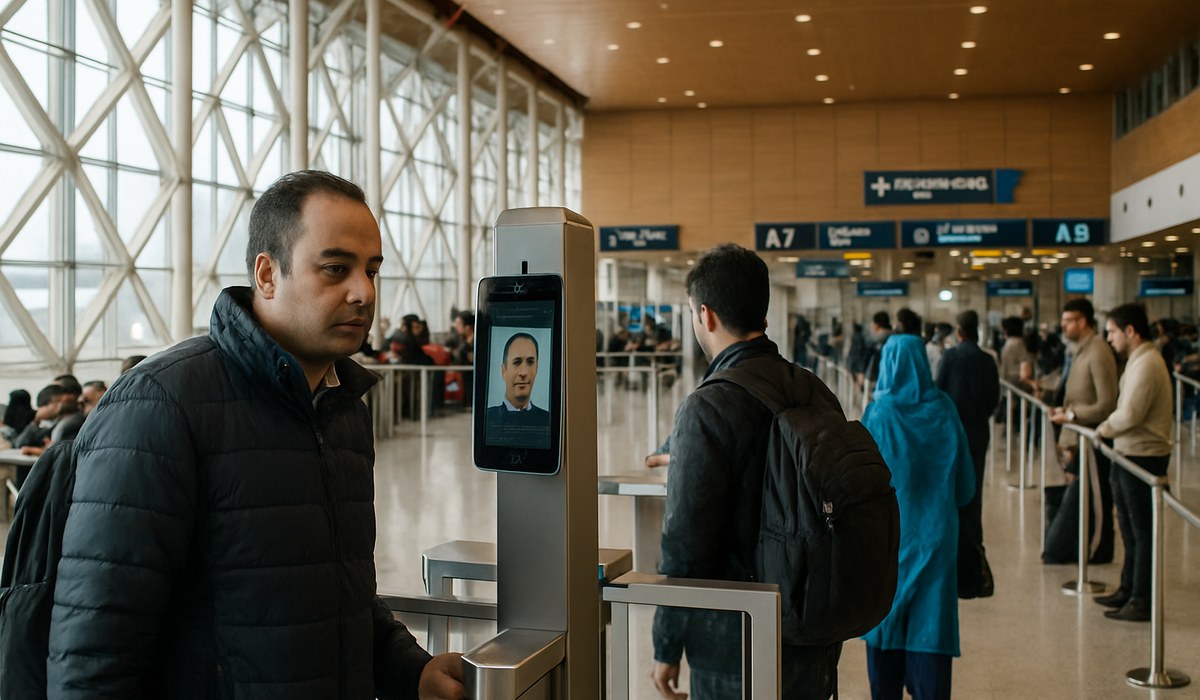
Image generated by AI
Your face is now your boarding pass at Srinagar International Airport, where India's biometric revolution is reshaping how passengers move through one of the country's most strategically important travel hubs. The Kashmir gateway has activated DigiYatra facial recognition technology this March, eliminating traditional document checks at multiple touchpoints and positioning the airport as a modernization benchmark for regional aviation infrastructure across South Asia.
The implementation marks a watershed moment for the Airports Authority of India's digital transformation agenda. Travelers departing from the high-altitude terminal can now proceed from entry gates through security checkpoints to boarding gates using only their facial biometrics, synced with government databases through a voluntary opt-in mobile application.
Quick Summary
- Srinagar International Airport activates DigiYatra facial recognition system in March 2026
- Passengers eliminate paper boarding passes and ID checks through biometric processing
- Terminal upgrades include expanded lounges, retail zones, and baggage handling systems
- Implementation aligns with India's nationwide airport digitalization initiative across 24 airports
DigiYatra Technology: How Facial Recognition Streamlines Airport Processing
The digital evolution at Srinagar operates through a three-tier biometric verification system. Passengers download the DigiYatra mobile application and register their Aadhaar government identification number with a selfie scan. Upon arrival at the airport, cameras at entry points match facial features against the encrypted database stored on the user's device, validating their flight reservation and identity simultaneously.
This process repeats at security screening zones and boarding gate portals without requiring passengers to present physical documents. The system adheres to IATA's biometric passenger processing standards{:target="_blank" rel="noopener noreferrer"}, which mandate end-to-end encryption, data deletion within 24 hours of flight departure, and strict opt-in consent protocols. Airport director Javed Ahmad confirmed in a March 27 briefing that over 2,400 passengers used the contactless system during the initial 72-hour pilot phase, with average processing time dropping from 9 minutes to 3.5 minutes per traveler.
The infrastructure investment extends beyond passenger-facing cameras. Backend integration connects DigiYatra with airline departure control systems, enabling real-time flight tracking data{:target="_blank" rel="noopener noreferrer"} to update boarding permissions automatically when gates change or delays occur. Airlines operating from Srinagar—including Air India, IndiGo, SpiceJet, and Vistara—have reconfigured their check-in counters to accommodate the hybrid system where biometric and traditional processing lanes coexist.
Security agencies welcomed the deployment. Central Industrial Security Force officials stationed at Srinagar noted that biometric verification reduces human error in ID matching and creates tamper-proof audit trails for every passenger movement, enhancing overall aviation security in a region with heightened threat considerations. This proactive approach to infrastructure contrasts sharply with reactive measures seen during recent airport disruptions from security incidents at other facilities across the region.
Enhanced Passenger Facilities and Terminal Upgrades at Srinagar
Concurrent with DigiYatra activation, Srinagar International Airport unveiled comprehensive terminal renovations targeting passenger comfort and commercial viability. The domestic departure hall expanded by 2,800 square meters, accommodating six additional retail outlets including Kashmiri handicraft vendors, international coffee chains, and duty-free shopping zones specializing in regional saffron and pashmina products.
Lounge capacity increased from 85 to 160 seats across two renovated waiting areas equipped with high-speed Wi-Fi, wireless charging stations, and curated local cuisine menus. The airport authority partnered with hospitality group Lemon Tree Hotels to operate the premium lounge, offering complimentary access to passengers on full-service carrier business class tickets and elite frequent flyer members.
Baggage handling infrastructure received a parallel overhaul. The airport installed a fourth conveyor belt in the arrivals hall and upgraded sorting machinery to process 1,200 bags per hour, up from the previous 850-bag capacity. This improvement directly addresses passenger complaints logged during the winter 2025-26 peak season when daily arrivals exceeded 4,500 travelers during morning connection banks.
Parking facilities expanded to 850 vehicle spaces with automated ticketing barriers and digital signage guiding drivers to vacant spots via license plate recognition cameras. Ground transportation integration includes designated zones for app-based ride services and pre-paid taxi kiosks, eliminating curb congestion that previously plagued the terminal's single-lane pickup area.
What This Means for Travelers: Practical Benefits and Privacy Considerations
The digital evolution at Srinagar delivers tangible time savings for frequent flyers and first-time users alike. Business travelers particularly benefit from the seamless processing, aligning with broader evolving expectations in business travel where efficiency and reduced friction define competitive advantage in the Asian aviation market. Corporate travel managers booking Kashmir-bound itineraries can now build tighter connection windows, knowing that airport processing time has contracted by more than 60%.
Privacy safeguards form the cornerstone of DigiYatra's operational framework. Biometric data never uploads to centralized government servers. Instead, facial templates reside in encrypted partitions within passengers' smartphones, transmitted briefly via Bluetooth to airport kiosks for verification before automatic deletion. Users maintain complete control, activating or deactivating the system through the mobile app without affecting their ability to fly using traditional paper documents.
International visitors connecting through Srinagar to domestic destinations face initial enrollment hurdles. The system currently accepts only Indian-issued Aadhaar identification numbers, meaning foreign passport holders must use conventional processing lanes. Airport officials indicated that integration with passport databases remains under development, with a projected rollout in October 2026 pending Ministry of Civil Aviation approvals.
The technology also contributes to improved onboard safety culture by establishing accountability throughout the passenger journey. Clear identification at every checkpoint reinforces compliance with aviation regulations, complementing efforts to address passenger behavior concerns on flights that have dominated industry discussions in recent months. The biometric audit trail provides airlines and security agencies with irrefutable records of passenger movements, enhancing investigative capabilities when incidents occur.
India's Airport Modernization Wave: Regional and National Context
Srinagar's transformation unfolds within India's ambitious national aviation infrastructure expansion. The DigiYatra program currently operates at 24 airports including Delhi, Mumbai, Bengaluru, and Hyderabad, processing over 1.8 million passengers monthly according to Ministry of Civil Aviation statistics released in March 2026. The government allocated ₹4,500 crore ($540 million) in the 2026-27 federal budget to extend biometric processing to all 75 Airports Authority of India facilities by December 2027.
Regional airports benefit disproportionately from these investments. Smaller terminals like Srinagar, Leh, and Jammu previously struggled with outdated infrastructure designed for passenger volumes 40% below current demand. The central government's regional connectivity scheme—UDAN (Ude Desh ka Aam Nagrik)—subsidizes 450 routes connecting underserved cities, driving traffic growth that necessitates rapid modernization. Srinagar recorded 2.1 million passenger movements in calendar year 2025, a 23% increase from 2024 levels.
International comparisons highlight India's acceleration. Singapore's Changi Airport pioneered biometric boarding gates in 2017, while Dubai International deployed facial recognition across all terminals by 2020. India's compressed implementation timeline—activating 24 airports in 18 months—represents the world's fastest large-scale biometric aviation rollout. Aviation analyst Rohan Mehra from the Centre for Asia Pacific Aviation noted that India's open-source software approach reduces per-airport deployment costs to $1.2 million versus $4.5 million for comparable Western systems, enabling broader geographic coverage with limited budgets.
The Kashmir valley's unique geopolitical context adds strategic significance. Enhanced passenger processing efficiency supports India's efforts to boost tourism and economic integration in the region. Srinagar welcomed 14,200 foreign tourists in February 2026, triple the figures from February 2024, reflecting growing confidence in Kashmir's stability. Improved airport facilities directly correlate with visitor satisfaction metrics tracked by the Ministry of Tourism, where Srinagar's ratings climbed from 3.2 to 4.1 stars on a five-point scale following infrastructure upgrades.
FAQ: Srinagar Airport DigiYatra and Passenger Experience
Q: Do I have to use DigiYatra at Srinagar Airport, or can I still use paper boarding passes?
A: DigiYatra enrollment remains completely optional. Passengers preferring traditional document checks can use standard processing lanes without penalties or delays. Both systems operate simultaneously at all checkpoints.
Q: How long does DigiYatra registration take, and when should I complete it?
A: Initial registration through the mobile app requires 5-7 minutes, including Aadhaar verification and facial scan capture. Complete registration at least 24 hours before departure to ensure database synchronization, though same-day enrollment typically activates within 3 hours.
Q: What happens if facial recognition fails to identify me at a checkpoint?
A: Backup protocols allow manual verification by presenting your boarding pass and government ID to security staff. Technical failure rates at Srinagar currently measure 2.3% of attempts, typically resolved within 45 seconds through alternative scanning angles.
Q: Can family members traveling together use one phone for multiple DigiYatra profiles?
A: Each passenger requires individual enrollment linked to their unique Aadhaar number and personal device. The system cannot process multiple travelers from a single smartphone, though children under 12 can proceed with an enrolled parent after manual verification.
Q: Are connecting flights automatically included in my DigiYatra registration?
A: Yes, if all connecting flights depart from DigiYatra-enabled airports within 24 hours. The system recognizes multi-segment itineraries booked under one reservation code. Separate bookings require individual biometric verification at each originating airport.
Related Articles:
Disclaimer
This article is for informational and educational purposes only. It does not constitute legal, financial, or professional advice. While we strive to provide accurate and up-to-date information, travel policies, regulations, and conditions change rapidly. Always verify information with official sources before making travel decisions. Nomad Lawyer makes no representations about the accuracy, reliability, completeness, or suitability of the information provided. Readers should consult qualified professionals for advice specific to their circumstances. The views expressed in this article are those of the author and do not necessarily reflect the views of Nomad Lawyer.
Kunal K Choudhary
Co-Founder & Contributor
A passionate traveller and tech enthusiast. Kunal contributes to the vision and growth of Nomad Lawyer, bringing fresh perspectives and driving the community forward.
Learn more about our team →