
Spain Stands AlongSide Portugal and Others As The Northern Hemisphere Enters A New Autumn Era With Powerful Seasonal Shifts Across Europe
Spain Stands AlongSide Portugal and Others As The Northern Hemisphere Enters A New Autumn Era With Powerful Seasonal Shifts Across Europe

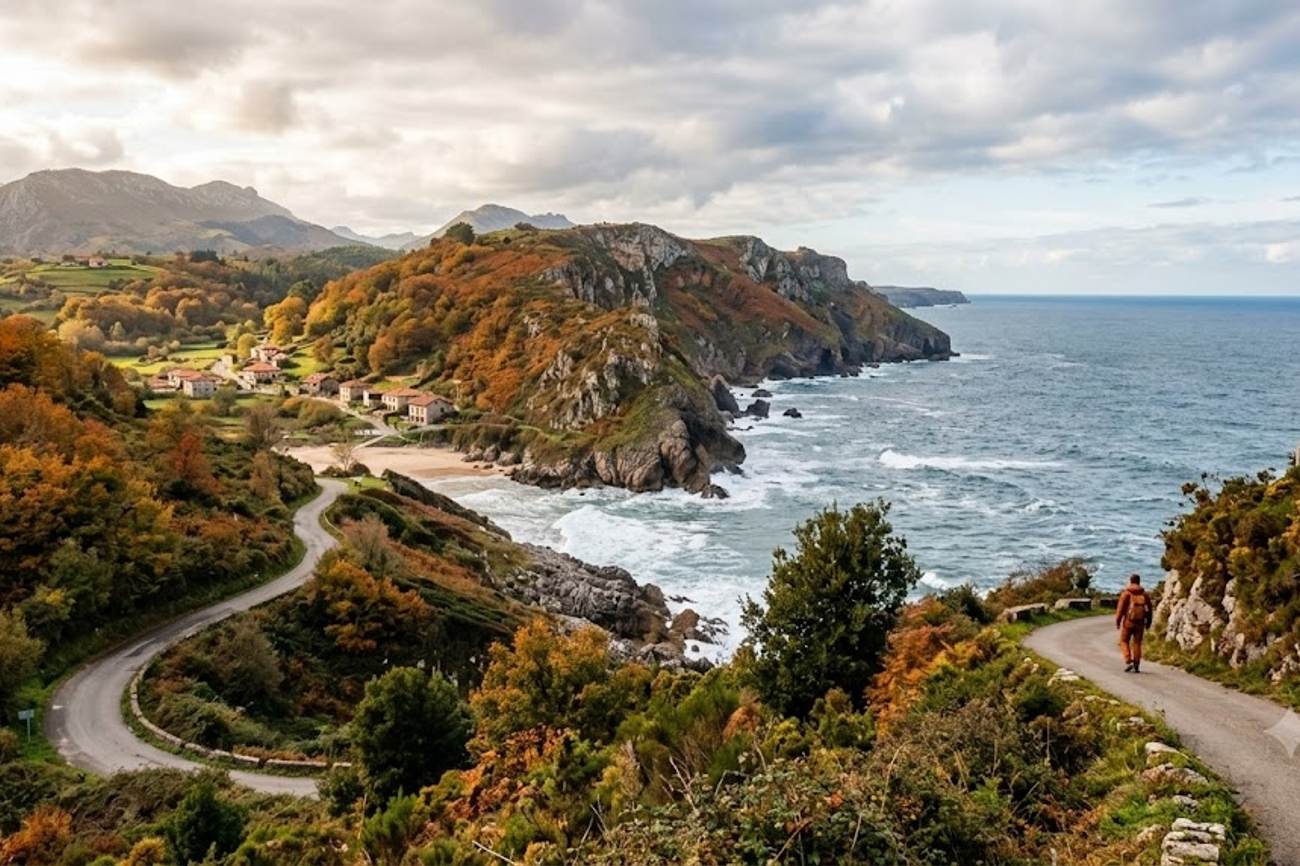
Image generated by AI
[Brussels, September 2024] — The Northern Hemisphere officially enters autumn on Wednesday, September 23, as the autumn equinox triggers a systemic shift in daylight hours and temperature patterns across Europe. This astronomical event, marking the moment the sun crosses the equator, initiates a period of decreasing daylight for European nations while the opposite occurs in the Southern Hemisphere.
The transition is driven by the Earth's axial tilt and orbital position relative to the sun, rather than immediate weather shifts. While the term equinox derives from the Latin aequinoctium (equal night), actual daylight and darkness durations vary across the continent due to atmospheric refraction and specific geographical coordinates. The shift is most aggressive in Northern Europe and Scandinavia, while Mediterranean regions maintain summer-like conditions well into October.
The Astronomical Trigger
The shift is not a meteorological phenomenon but a celestial one. The equinox occurs when the sun is positioned directly above the equator, creating a near-perfect balance of light and dark globally. This positioning serves as the scientific marker for the end of summer and the start of the autumn cycle.
Because this is an orbital event, the "start" of fall does not guarantee an immediate drop in temperature. Many regions across the European Union and the broader continent will continue to see mild weather, though the gradual reduction in sunlight hours is inevitable and immediate.
Regional Impact and Market Shifts
The transition affects European travel and nature patterns differently based on latitude. The following regions are experiencing specific shifts:
- Western & Southwestern Europe: France, Portugal, Andorra, Monaco, Belgium, the Netherlands, Luxembourg, and the United Kingdom are seeing a trend of later sunrises and earlier sunsets. The UK and Northern Europe are experiencing the fastest rate of daylight loss.
- Southern & Southeastern Europe: Italy, Greece, Croatia, Slovenia, Bosnia and Herzegovina, Serbia, Montenegro, Albania, North Macedonia, Bulgaria, Romania, and Malta are transitioning into a "quiet season." These markets are seeing a pivot toward nature tourism, viticulture (wine experiences), and heritage travel.
- Central Europe: Germany, Switzerland, Austria, Poland, the Czech Republic, Slovakia, Hungary, and Liechtenstein are entering a peak period for Alpine tourism. The Swiss Federal Office of Tourism and similar bodies in Austria are seeing a shift from summer hiking to autumn-specific outdoor adventures as forests turn gold and red.
- Northern Europe & Scandinavia: Denmark, Norway, Sweden, Finland, Iceland, Estonia, Latvia, and Lithuania are facing the most dramatic reduction in light. This period marks the opening of the window for Northern Lights sightings in Iceland and Scandinavia.
- Eastern Europe: Ukraine, Belarus, Moldova, and Russia are moving rapidly toward winter conditions, with a heavy emphasis on agricultural harvest traditions and rural photography tourism.
What This Means for Travelers
For passengers and tourists currently booking or traveling within Europe, the equinox translates to three primary operational changes:
1. Daylight Management Travelers in Northern Europe must account for significantly shorter windows of daylight for sightseeing. In Scandinavia and the Baltics, the rapid onset of darkness affects transport schedules and the availability of outdoor excursions. Conversely, those visiting the Mediterranean can expect extended warmth, making it a prime window for visiting coastal cities without the peak-summer congestion.
2. Seasonal Activity Pivots The tourism product is shifting. Summer-centric beach resorts are being replaced by "harvest tourism." This includes wine tours in Portugal and France, and autumn foliage trekking in the Alps. Travelers should expect a change in available services as resorts transition from summer to winter operational modes.
3. Environmental Phenomena The equinox opens the primary viewing season for the Aurora Borealis. Travelers heading to Iceland or Northern Norway now have a statistically higher chance of sightings as the nights lengthen.
The Path Toward Winter
As the continent moves past September 23, the transition will accelerate. Central and Eastern Europe will see a sharper decline in temperature, while the Mediterranean will enter a "shoulder season" that remains attractive for luxury and cultural travel through October.
Agricultural cycles remain a dominant theme. From the vineyards of Moldova to the rural landscapes of France, the post-equinox period is defined by harvest festivals and food-based cultural programming. Tourism operators are currently adjusting their offerings to move away from water-based activities toward indoor cultural events and nature-based autumnal experiences.
FAQ: Europe Autumn Equinox 2024
Does the equinox mean the weather turns cold immediately? No. The equinox is an astronomical marker, not a weather forecast. Many Mediterranean destinations, such as Spain and Italy, continue to experience summer-like temperatures and mild conditions well into October.
Where is the best place to see the Northern Lights after the equinox? Iceland and the Scandinavian countries (Norway, Sweden, Finland) are the primary destinations. As daylight hours decrease following the September 23 equinox, the darkness required for Aurora visibility increases.
How does the equinox affect travel in Northern Europe compared to Southern Europe? Northern Europe (e.g., Finland, Norway) experiences a rapid and dramatic loss of daylight. Southern Europe (e.g., Greece, Portugal) sees a much slower transition, maintaining warmer weather and longer days for a longer period.
What are the best activities for "Autumn Tourism" in Europe? Key activities include visiting vineyards during the harvest in France and Portugal, hiking in the Swiss and Austrian Alps for foliage, and attending regional harvest festivals across Eastern Europe.
The calendar has turned; Europe now trades the heat of the Mediterranean summer for the gold of the Alpine autumn.
#AutumnEquinox2024 #EuropeTravel #NorthernLightsIceland #MediterraneanShoulderSeason #AlpineTourism2024 #ScandinaviaDaylight
Related Travel Guides
- Vietnam’s Quảng Trị Unlocks A New Tourism Era With World-Class Caves, Nature And Heritage Attractions
- United States Partners With Japan And More Destinations As PTAA Travel Tour Expo 2027 Manila Nears Full Capacity With 98 Percent Booths Booked
- United States Aligns With Global Travel Markets As Tourism Growth Slows Amid Middle East Conflict And Rising Costs
Disclaimer
This article is for informational and educational purposes only. It does not constitute legal, financial, or professional advice. While we strive to provide accurate and up-to-date information, travel policies, regulations, and conditions change rapidly. Always verify information with official sources before making travel decisions. Nomad Lawyer makes no representations about the accuracy, reliability, completeness, or suitability of the information provided. Readers should consult qualified professionals for advice specific to their circumstances. The views expressed in this article are those of the author and do not necessarily reflect the views of Nomad Lawyer.
Preeti Gunjan
Contributor & Community Manager
A passionate traveller and community builder. Preeti helps grow the Nomad Lawyer community, fostering engagement and bringing the reader experience to life.
Learn more about our team →