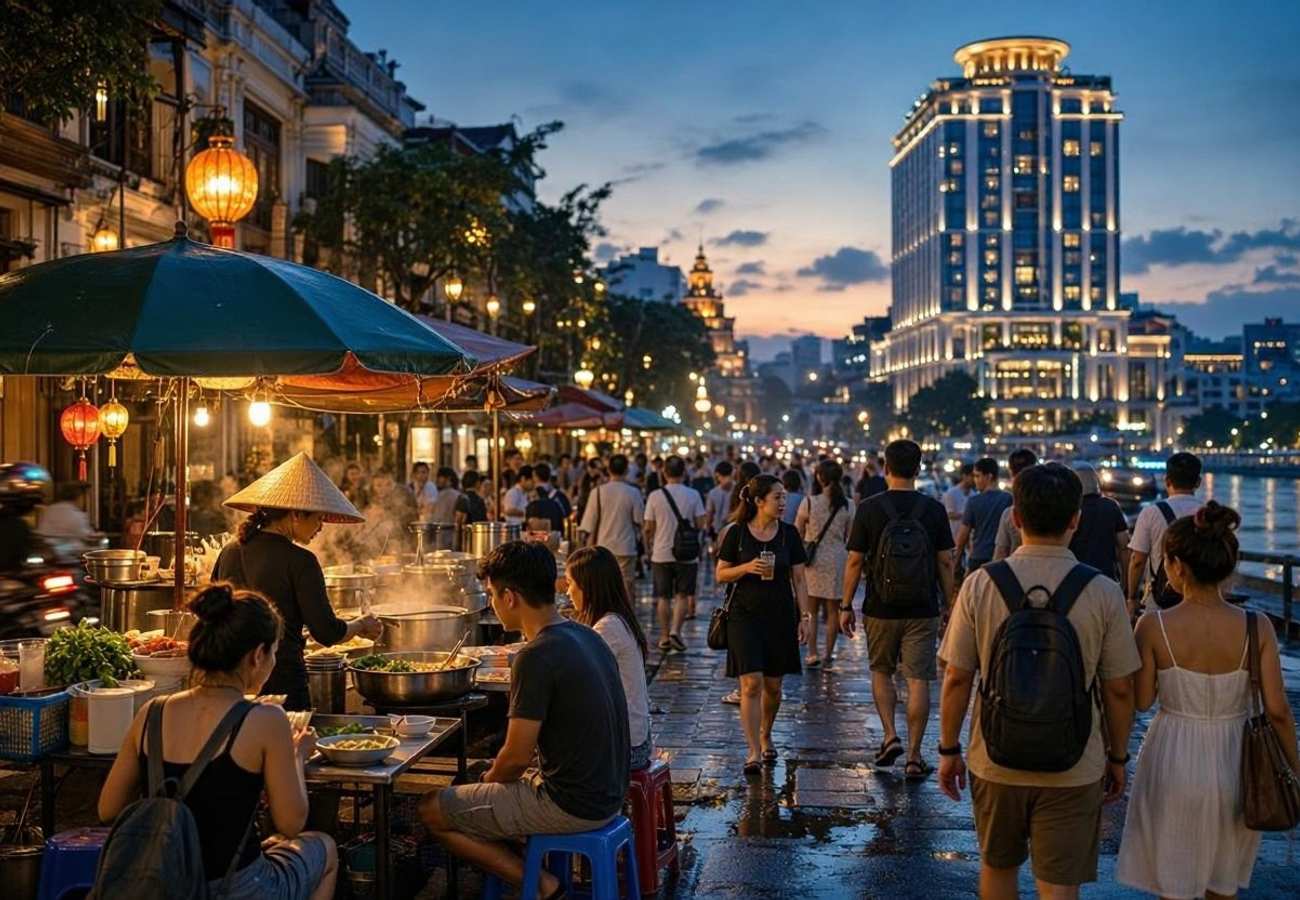
Spain, Italy, Japan and Greece Implement Aggressive Visitor Caps and Rental Bans to Combat Overtourism 2026

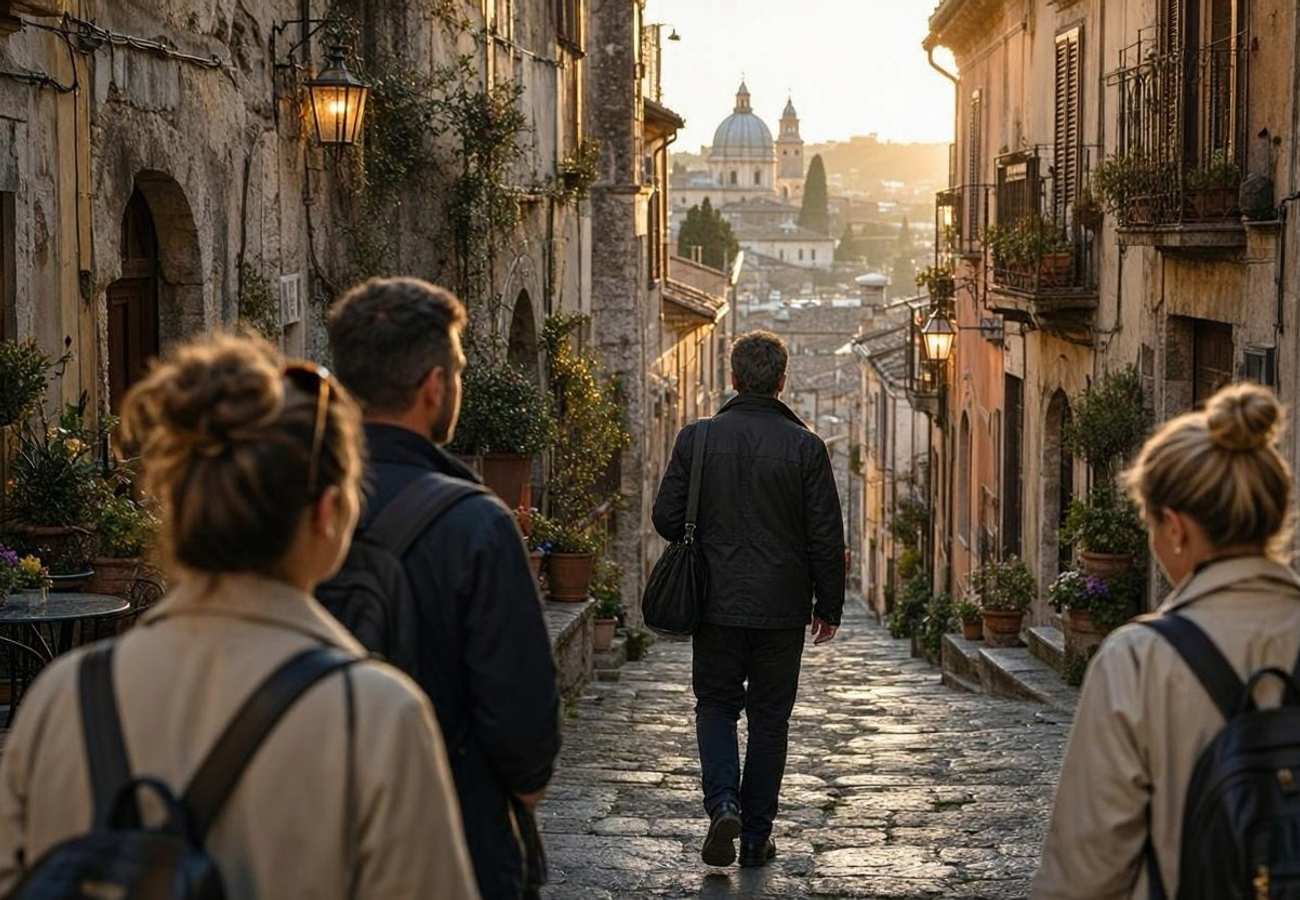
Image generated by AI
A complete phase-out of all short-term rental licenses in Barcelona by late 2028 marks a radical shift in how global hubs manage the collision between tourism profits and resident viability. This move is not an isolated incident but part of a broader systemic pivot across Spain, Italy, Greece, and Japan. These nations are transitioning from an era of aggressive tourism promotion to one of strict visitor regulation, prioritizing municipal stability over the unchecked growth of the travel sector.
The Residential Crisis: Spain's War on Vacation Rentals
Spain's approach to overtourism is fundamentally a battle for the housing market. In urban centers like Madrid and Barcelona, the conversion of residential apartments into high-yield holiday flats has triggered a systemic shortage of long-term housing, effectively pricing local citizens out of their own neighborhoods. This economic displacement has evolved into social unrest, with widespread street demonstrations forcing the state to intervene.
The regulatory response is severe. Beyond the total elimination of licenses in Barcelona by 2028, municipal councils are leveraging heavy financial penalties to deter illegal listings. For those operating unauthorized booking platforms within historic quarters, fines can reach as high as €600,000. Travelers should consult the Spain Official Tourism Portal to verify the legality of their accommodations to avoid booking cancellations.
Infrastructure Under Siege: Italy and Greece
While Spain fights for its housing, Italy and Greece are fighting for their physical foundations. In Venice, the ratio of day-trippers to residents has reached a tipping point, transforming residential zones into transit corridors and accelerating the decay of ancient infrastructure. To mitigate this, Venice has implemented a permanent ticketing system for visitors who do not stay overnight, accompanied by strict limits on guided tour sizes and a ban on loudspeakers in residential areas.
Similarly, the Greek islands of Santorini and Mykonos are facing potential ecological and utility collapse. The simultaneous docking of massive cruise ships often exhausts local water grids and clogs narrow village streets. The Greek government has responded by capping daily passenger entries in Santorini and implementing a per-passenger landing tax. Port managers now calculate vessel capacity based on maximum ship limits rather than estimated arrivals, forcing cruise lines to divert traffic to mainland destinations.
The Social Harmony Model: Japan's Tiered Access
Japan is tackling overtourism through the lens of community harmony. In Kyoto, the surge of international arrivals has led to transit bottlenecks, preventing residents from using municipal bus routes, and caused friction in private historic districts like Gion.
To resolve this, Japanese municipalities are introducing "dual-pricing" structures. This legal framework allows cultural venues and private businesses to charge higher entry fees to international tourists while maintaining affordable rates for locals. Additionally, specific private alleyways are now strictly off-limits to unguided tourists to shield residents from daily disruption. Travelers can monitor updated transit and access rules via the Japan National Tourism Organization (JNTO).
Tourism Pressure Management: 2026 Global Comparison
The following table breaks down the specific regulatory levers being pulled across these four key regions to manage visitor density.
| Country | Primary Pressure Point | Core Impact | Management Response | Key Metric/Financial Control |
|---|---|---|---|---|
| Spain | Barcelona, Madrid, Balearics | Housing inflation & resident displacement | Total phase-out of short-term rental licenses | Full ban by late 2028; Fines up to €600,000 |
| Italy | Venice, Rome, Pompeii | Infrastructure wear & day-tripper surges | Mandatory entry fees & daily visitor caps | Venice fees: €5 (advance) to €10 (last-minute) |
| Greece | Santorini, Mykonos | Utility exhaustion & ecological strain | Mandatory daily passenger caps & landing taxes | Vessel counts based on max ship capacity |
| Japan | Kyoto, Gion District | Transit bottlenecks & community disruption | Dual-pricing & restricted access zones | Higher fees for foreigners; Local-only zones |
Expert Analysis: The End of the "Open Door" Policy
For the modern traveler, the direct consequence of these shifts is the end of spontaneous, low-cost access to the world's most famous heritage sites. We are seeing a transition toward a "reservation-based" travel economy. When Venice implements entry fees or Santorini caps passenger counts, the pricing pressure is shifted onto the consumer, and the availability of access becomes a scarce commodity.
The implementation of dual-pricing in Japan is particularly significant from a legal and ethical standpoint. It signals a move away from the globalist ideal of equal pricing toward a protectionist model that views the tourist as a luxury user of public resources. For those booking trips to these regions, the logistical burden has increased: you can no longer simply "show up." You must now navigate permit systems, pre-pay entry taxes, and vet your accommodation against strict municipal laws.
The long-term effect will likely be a redistribution of tourism. As "Tier 1" cities become prohibitively expensive or administratively difficult to visit, we will see a surge in "Tier 2" destinations—lesser-known regional cities that currently lack the infrastructure to handle a sudden influx of diverted traffic.
Key Takeaways
- Accommodation Risks: Short-term rentals in Barcelona are being phased out by 2028; verify your booking to avoid illegal listings.
- Financial Barriers: Expect to pay "tourist premiums" via dual-pricing in Japan and entry fees in Venice (ranging from €5 to €10).
- Access Restrictions: Santorini now enforces strict daily passenger caps, which may lead to cruise itinerary changes or denied entry.
- Legal Penalties: Unauthorized rentals in Spain face massive fines up to €600,000, increasing the risk of last-minute cancellations for guests.
- Planning Requirement: Spontaneous travel to these hubs is becoming impossible; advance ticketing and reservations are now mandatory for many sites.
FAQ: Global Overtourism Regulations 2026
Do I need to pay to enter Venice if I am staying in a hotel? No. The entry fees are specifically targeted at day-trippers who do not have a confirmed overnight reservation within the city.
Will my Airbnb in Barcelona be cancelled? Possibly. With the phase-out of licenses by 2028 and heavy fines for illegal rentals, many unauthorized hosts are being forced to shut down.
What is dual-pricing in Japan? It is a system where international tourists are charged a higher admission fee for certain attractions and venues than local Japanese residents.
How do cruise caps in Greece affect my trip? You may find that your cruise ship changes its port of call or that your time ashore in Santorini is strictly limited due to daily passenger caps.
The era of the unrestricted tourist is over; the era of the managed visitor has begun.
Related Travel Guides
This article is for informational purposes. Flight routes, passenger regulations, visa rules, and transit advisories are subject to change by airlines and aviation authorities. Readers are advised to verify schedules and travel documentation with relevant carriers and border agencies before departure.
Related Stories
USA Weather Alert 2026: Dangerous Surf in Florida, Dense Fog in Denver, and Mountain Snow in Utah

Visit Seattle Launches 'There’s Never Been More to SEA' Local Tourism Campaign for 2026-2027