
Spain and France Wildfire Emergency 2026: Travel Warnings for Madrid, Ávila, and Gironde Regions
Over 300,000 people have been evacuated as severe wildfires sweep through Spain and France, impacting key tourist hubs in Madrid, Ávila, and Gironde.

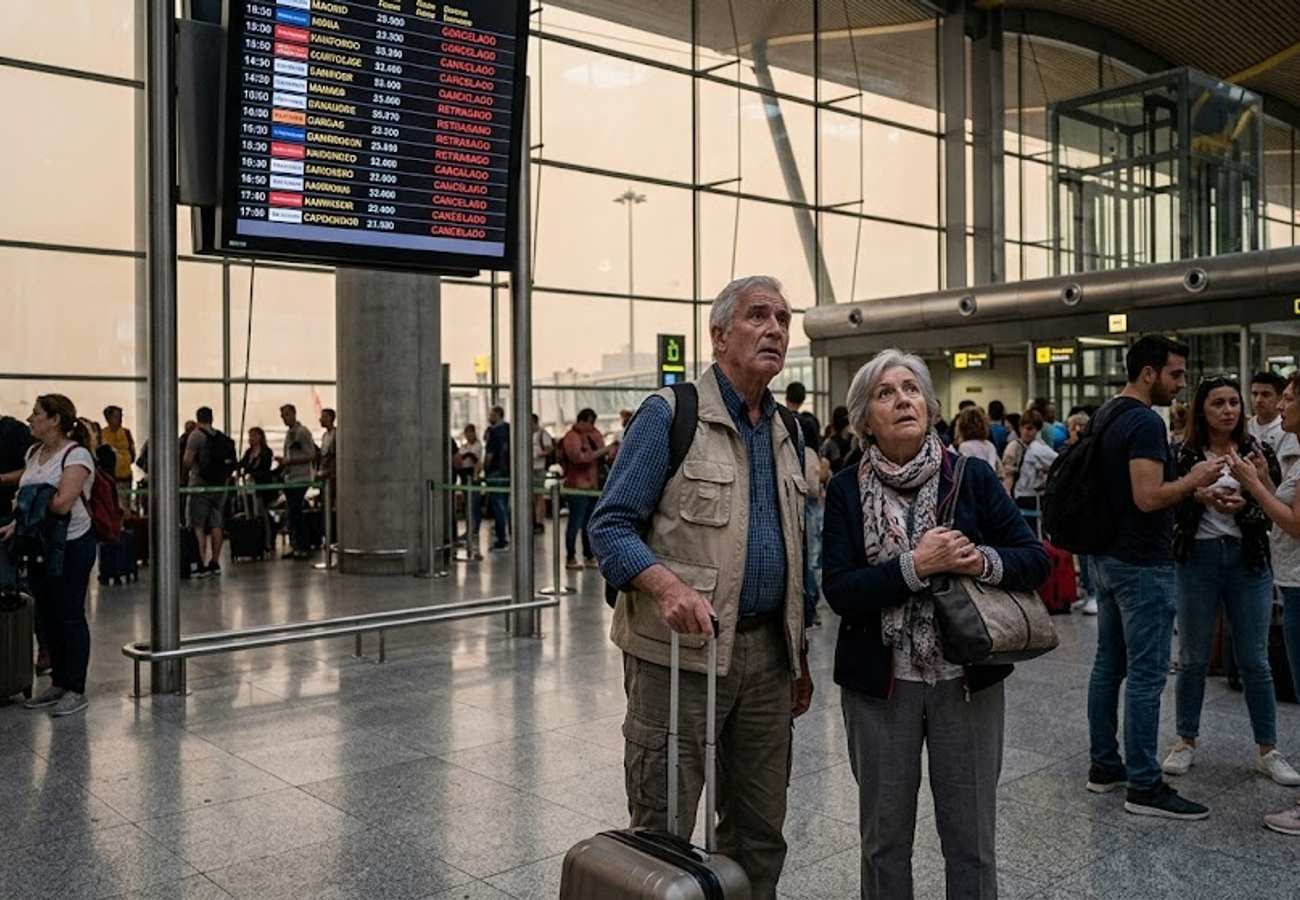
Image generated by AI
Headline Options:
- Factual/News: Spain and France Declare Emergencies as Wildfires Evacuate 300,000 People and Close Major Tourist Roads in 2026
- Curiosity-Gap (Discover): The Hidden Danger of Peak Summer in Europe: Why Your 2026 Spain and France Itinerary May Need an Immediate Pivot
- Problem-Solving (Search): How to Navigate Spain and France Travel During the 2026 Wildfire Crisis: Safety Tips and Affected Zones
Over 300,000 residents and visitors have been forced from their homes as extreme heat and wind trigger a massive wildfire crisis across Spain and France. Travelers must now pivot their itineraries to avoid high-risk zones in Madrid, Ávila, and the Gironde coast.
The Local Trend Revealed: A Shift in Summer Safety
The traditional "sun and sand" rush of July has been replaced by a state of high alert. In 2026, the convergence of record-breaking temperatures and prolonged drought has transformed the European summer experience into a complex navigation of emergency zones. We are seeing a shift where "real-time flexibility" is no longer just a travel preference but a safety requirement.
In Spain, the crisis has reached a critical peak in the Madrid and Ávila regions, where authorities have declared a national emergency. The fires here are not isolated incidents but merging outbreaks that challenge even the most advanced firefighting resources. Meanwhile, in France, the Gironde and Landes regions—celebrated for their coastal forests and beaches—have become epicenters of evacuation, with campsites and holiday rentals shuttered to prioritize life-saving operations.
Cultural & Environmental Value: The Cost of Climate Stress
For the visitor, the real impact is a sudden realization of the fragility of the Mediterranean ecosystem. The fires in Gironde, specifically around Saumos, Le Porge, and Lège-Cap-Ferret, threaten not just tourism infrastructure but centuries-old forests and unique coastal biodiversity.
The response has evolved into a massive cross-border effort. France has mobilized military resources and integrated European firefighting aircraft and helicopters to create control lines. This crisis underscores a growing regional movement toward "Climate-Conscious Tourism," where visitors are encouraged to support local conservation bodies and avoid high-risk natural areas during peak drought windows to reduce the accidental ignition of fires.
Visitor Insider Tips: Navigating the Crisis
If you are currently in the region or planning a trip, standard travel apps are not enough. You need a localized approach to safety.
Critical Safety Protocol
- The Universal Number: In Spain and France, dial 112 for all emergency assistance.
- Real-Time Monitoring: Avoid relying on static blogs. Use official regional wildfire maps provided by the French and Spanish civil protection agencies.
- Accommodation Check: If staying in a campsite or rural "Gîte" in the Gironde or Landes areas, contact your host directly via WhatsApp or phone 24 hours before arrival to confirm the property is still accessible.
Off-Peak & Alternative Suggestions
- Pivot North: If the south is blocked, consider shifting your itinerary toward the Atlantic coast of Brittany or the Pyrenees foothills, which currently show lower risk profiles.
- Local Etiquette: Respect all "Accès Interdit" (No Entry) signs. Local firefighters are under extreme pressure; attempting to enter a closed zone for a "photo op" can divert critical resources from active firefighting.
- Dining Tip: During evacuations, local restaurants in unaffected nearby towns often become community hubs. Support these small businesses to help the local economy recover from the tourism loss.
Tourism Outlook: The Long-Term Impact
The 2026 season marks a turning point for European tourism. We expect to see a permanent shift in how the Spanish and French tourism departments market their summer windows. There will likely be a stronger push toward "shoulder season" travel (May-June and September-October) to alleviate the pressure on infrastructure during the high-risk July-August heatwaves.
The reliance on international military and aerial support suggests that the scale of these events is outstripping local capacity, which may lead to stricter regulations on tourist access to forests and coastal dunes in the coming years.
Stay flexible, stay informed, and prioritize the safety of local communities over your itinerary.
Related Travel Guides
Disclaimer
This article is for informational and educational purposes only. It does not constitute legal, financial, or professional advice. While we strive to provide accurate and up-to-date information, travel policies, regulations, and conditions change rapidly. Always verify information with official sources before making travel decisions. Nomad Lawyer makes no representations about the accuracy, reliability, completeness, or suitability of the information provided. Readers should consult qualified professionals for advice specific to their circumstances. The views expressed in this article are those of the author and do not necessarily reflect the views of Nomad Lawyer.
Raushan Kumar
Founder & Lead Developer
Full-stack developer with 11+ years of experience and a passionate traveller. Raushan built Nomad Lawyer from the ground up with a vision to create the best travel and law experience on the web.
Learn more about our team →