
Spain Follows Other Countries as France Spotlights Porquerolles Island in European Coastal Tourism Growth
Spain Follows Other Countries as France Spotlights Porquerolles Island in European Coastal Tourism Growth

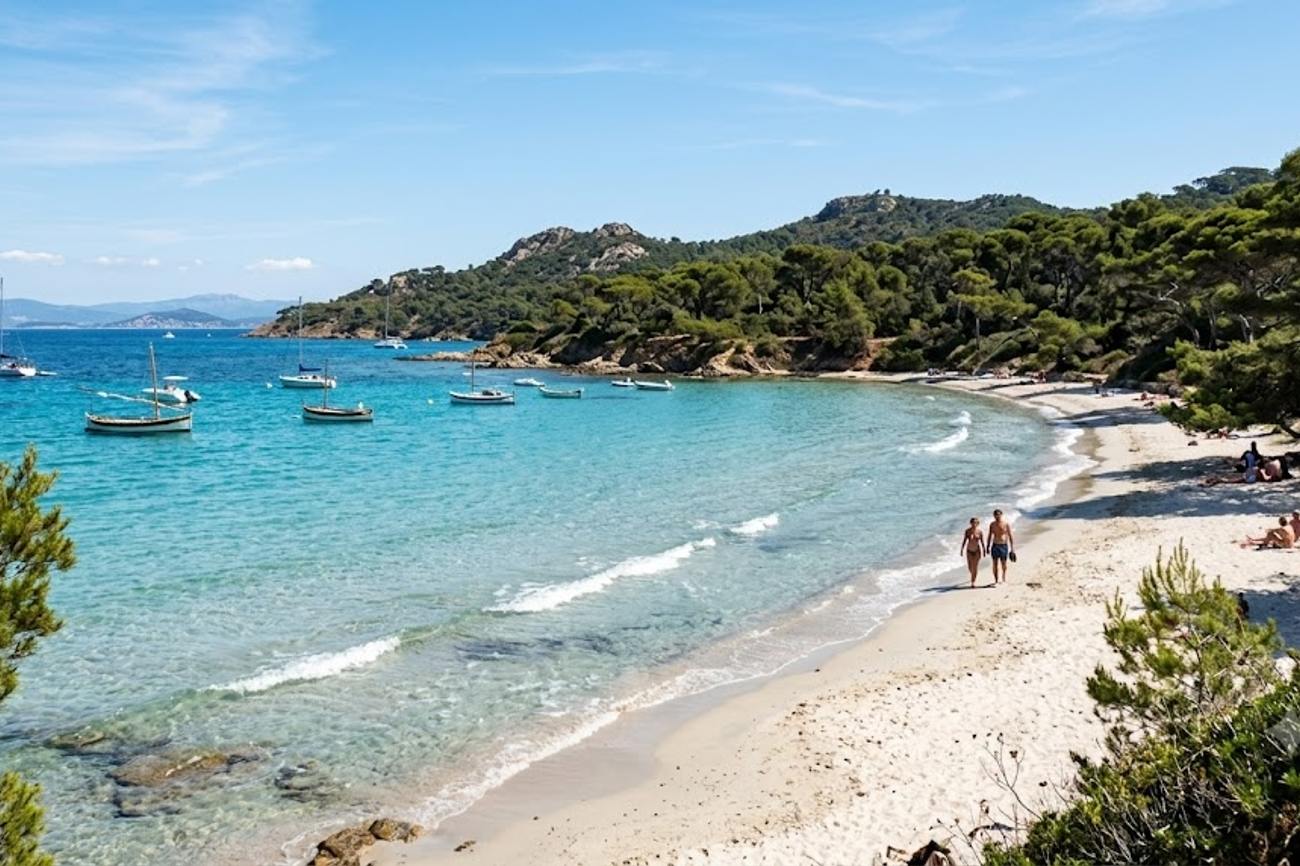
Image generated by AI
European coastal tourism is pivoting from high-density summer peaks to decentralized, nature-centric models, with France's Provence-Alpes-Côte d’Azur region now prioritizing spring occupancy over traditional July-August saturation. This shift is evident in the strategic promotion of Porquerolles Island, where the emphasis has moved from beach-centric leisure to a sustainable, car-free ecosystem that leverages the Port-Cros National Park to attract a higher-value, lower-impact traveler.
The Mediterranean De-Seasoning Metric — Porquerolles in Numbers
The current movement toward "slow travel" is not merely a marketing pivot but a structural change in how European destinations manage capacity. Porquerolles Island, measuring approximately 7.5 km in length and 3 km in width, serves as a primary case study for this transition. By positioning the island as a spring destination, France is attempting to flatten the seasonal demand curve that historically crippled Mediterranean infrastructure during the summer months.
The data indicates a strategic focus on specific high-value assets to drive this off-peak growth. The integration of the Villa Carmignac for contemporary art and the historical Fort Sainte-Agathe allows the destination to pivot from "sun and sand" to "culture and nature." This diversification is essential for maintaining the integrity of the Port-Cros National Park, where biodiversity protection must be balanced with visitor access. According to data trends tracked by the World Tourism Organization (UNWTO), the global shift toward sustainable tourism is increasingly driven by a desire for "authentic" experiences—a metric that Porquerolles satisfies through its car-free pathways and protected Mediterranean habitats.
Comparative Regional Benchmarks: France vs. Spain
While France is utilizing the Porquerolles model to refine its coastal strategy, Spain is observing these patterns to diversify its own tourism portfolio. Historically, Spain has relied heavily on the "sun and beach" model in the Costa del Sol and Balearic Islands. However, there is a measurable shift toward the "Green Spain" regions (Asturias and Galicia) and the Canary Islands to achieve year-round stability.
The following table compares the strategic focus of these two Mediterranean powerhouses as they move toward sustainable coastal growth:
| Metric/Focus Area | France (Provence-Alpes-Côte d’Azur Model) | Spain (Emerging Diversification Model) |
|---|---|---|
| Primary Growth Driver | Nature-centered, car-free island ecosystems | Regional diversification (Asturias, Galicia) |
| Seasonal Target | Spring (Off-peak Mediterranean) | Year-round (Canary Islands/Atlantic Coast) |
| Core Asset Integration | National Park (Port-Cros) + Fine Art | Gastronomy + Coastal Heritage |
| Transport Strategy | Pedestrian/Cycling centric | Expansion of secondary coastal villages |
| Sustainability Goal | Reducing summer saturation pressure | Balancing urban hubs with rural coasts |
This regional competition is mirroring broader trends seen in IATA's passenger flow data, where travelers are increasingly bypassing primary hubs in favor of secondary airports that provide access to "hidden" gems. The Spanish move toward Asturias and Galicia represents a calculated attempt to capture the same "slow travel" demographic that France is currently targeting in the Provence region.
What This Means for Travelers
For the individual traveler, the data suggests that the era of the "budget summer blitz" is being replaced by a more curated, seasonal approach. If you are planning a Mediterranean excursion, the following data-driven adjustments are recommended:
- Shift Your Booking Window to Q2: The promotion of spring travel in regions like Provence-Alpes-Côte d’Azur means that late March through May now offers the optimal balance of mild weather and lower crowd density. Booking 12-16 weeks in advance for these "shoulder season" periods is becoming necessary as they gain popularity.
- Prioritize Low-Impact Transit: With destinations like Porquerolles implementing car-free zones, travelers should budget for cycling rentals and pedestrian-friendly accommodations. The infrastructure is shifting to support these modes, meaning traditional car rentals may be a liability rather than an asset.
- Diversify Your Spanish Itinerary: Instead of the traditional Balearic hotspots, the data indicates a rising value proposition in Galicia and Asturias. These regions offer a more sustainable cost-to-experience ratio and are less prone to the over-tourism crises seen in Barcelona or Mallorca.
- Integrate Cultural Anchors: To maximize a trip, align visits with specific cultural assets (e.g., Villa Carmignac in France or the gastronomic routes of Galicia). These assets are the primary drivers of the "year-round" tourism model and often require separate reservations.
Projection: The Future of the European Coastal Model
Based on the trajectory of the Porquerolles and Spanish diversification models, we can project a significant shift in European tourism distribution by 2030. We are moving toward a "Hub and Spoke" coastal model. In this scenario, major cities (the hubs) will remain entry points, but the actual tourism spend and time-on-site will migrate to "spokes"—protected, smaller destinations like the Golden Islands of France or the Atlantic villages of Spain.
We expect to see an increase in "Conservation-Based Tourism" certifications. As Porquerolles leverages the Port-Cros National Park, other destinations will likely implement similar strict environmental quotas to maintain the "exclusivity" and "authenticity" that high-spending, sustainable travelers demand. Market share will likely shift away from mass-market resorts toward boutique, eco-certified lodging that can prove a net-positive impact on the local biodiversity.
FAQ: European Coastal Trends 2026
Will coastal travel prices increase as they become more "sustainable"? Yes. The shift from mass tourism to "slow travel" typically involves lower visitor volumes but higher per-person spending. Expect higher premiums for eco-certified lodging and curated experiences in protected areas like Porquerolles.
Is spring a better time to visit the Mediterranean than summer? Statistically, yes. Data shows milder temperatures, reduced congestion on cycling and hiking trails, and easier access to national park sites. It avoids the peak summer saturation that often degrades the visitor experience.
Which Spanish regions are the best alternatives to crowded beaches? Asturias and Galicia are currently the strongest alternatives. They offer a combination of green landscapes and coastal heritage that mirrors the sustainable, nature-focused growth currently seen in France's Provence region.
How does the "car-free" model affect trip planning? It requires a shift in logistics. Travelers must rely on ferries, cycling, and walking. This increases the importance of selecting centrally located accommodations to minimize transit time within the destination.
The Mediterranean is no longer just a summer destination; it is becoming a year-round laboratory for sustainable luxury.
Tags: Provence-Alpes-Côte-d’Azur-Growth-2026, Port-Cros-National-Park-Sustainability, Spanish-Coastal-Diversification-Trends, Mediterranean-Shoulder-Season-Demand, Eco-Tourism-Market-Shift-Europe
Related Travel Guides
- Italy and France Unlock A New Tourism Wave As Chinese Travellers Rush Back To Europe In 2026
- Colombia Travel Experiences Are Captivating Modern Travelers Worldwide With Soul-Stirring Biodiversity And Unmatched Cultural Warmth
- Guam Travel Entry Rules Put Mandatory EDF in Focus Ahead of Tumon Fair and Sinajaña Festival Activities
Disclaimer
This article is for informational and educational purposes only. It does not constitute legal, financial, or professional advice. While we strive to provide accurate and up-to-date information, travel policies, regulations, and conditions change rapidly. Always verify information with official sources before making travel decisions. Nomad Lawyer makes no representations about the accuracy, reliability, completeness, or suitability of the information provided. Readers should consult qualified professionals for advice specific to their circumstances. The views expressed in this article are those of the author and do not necessarily reflect the views of Nomad Lawyer.
Naina Thakur
Contributor & Travel Specialist
Travel enthusiast and legal writer covering visa regulations, responsible tourism, and cultural journeys across global destinations.
Learn more about our team →