
Southwest Airlines Flight WN1682 from Denver to Phoenix Diverts to Tucson
Southwest Airlines Flight WN1682 from Denver to Phoenix diverts to Tucson International Airport in Arizona on August 3, 2026.

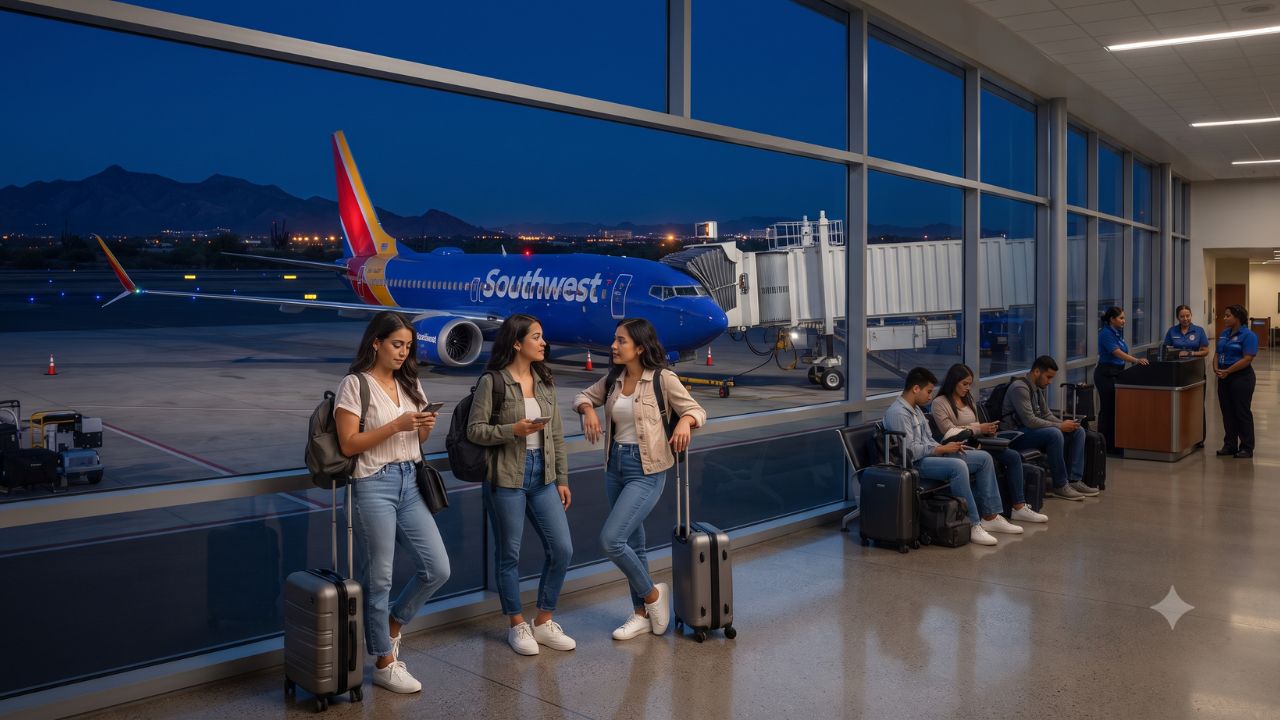
Image generated by AI
Southwest Airlines Flight WN1682 from Denver to Phoenix was diverted to Tucson International Airport on August 3, 2026. The Boeing 737 MAX 8 aircraft landed safely, but passengers experienced a major delay of over five hours before completing their journey.
The western aviation corridors of the United States are experiencing temporary adjustments as operational decisions reroute scheduled passenger services. On flights connecting high-altitude hubs like Denver with the desert gateways of Phoenix, flight paths must frequently navigate shifting weather systems, traffic constraints, and aircraft requirements. When these factors align, airlines implement standard safety procedures, directing aircraft to designated alternate hubs to ensure a safe landing.
For travelers, a flight diversion represents a significant scheduling challenge, affecting connecting flights, ground transfers, and hotel arrangements. Understanding how the aviation system manages these unexpected route changes—and knowing passenger rights during delays—is essential for navigating disruptions effectively.
Route Interruption and Unscheduled Landing at Tucson
The disruption occurred on Monday, 3 August 2026, affecting Southwest Airlines Flight WN1682 (operating under the code SWA1682). The scheduled service was operated by a Boeing 737 MAX 8 aircraft with registration N8762Q, connecting Denver International Airport (DEN) in Colorado with Phoenix Sky Harbor International Airport (PHX) in Arizona.
The flight departed Denver leaving from Gate C50. However, during transit, the flight was redirected to Tucson International Airport (TUS) in Arizona, landing at approximately 11:20 PM MST.
The diversion resulted in an unexpected stopover in southern Arizona, delaying passengers by approximately five hours and thirty-five minutes compared to their scheduled arrival time in Phoenix. While Southwest Airlines has not released an official statement regarding the specific cause of the diversion, the flight crew and dispatch teams utilized standard operating procedures to redirect the aircraft safely. Tucson International’s facilities served as a reliable alternate, allowing operational teams to assess further travel arrangements and coordinate ground transportation.
Transcontinental Flight Disruptions and Passenger Compensation Protections
For the traveler, a flight diversion highlights the ecological cost of aviation disruptions. Redirecting a commercial jet like a Boeing 737 MAX 8 requires burning additional fuel, increasing the carbon footprint of the journey. To reduce these environmental impacts, airlines work closely with the Federal Aviation Administration (FAA) to optimize routing, minimize ground taxi times, and utilize eco-efficient flight management systems.
When delays occur, supporting local airport vendors, utilizing public transport links at the alternate destination, and opting for digital boarding passes help reduce the overall resource footprint of your journey. Modern travel increasingly relies on these small, sustainable habits to offset the environmental demands of long-haul transit.
Navigation and Dining Specialties for West Coast Hubs
To help you manage unexpected flight diversions and enjoy your time at these major western hubs, follow these practical tips:
- Passenger Rights & DOT Policies: Under US Department of Transportation (DOT) guidelines, if a flight is diverted and experiences a significant delay, the operating carrier is required to keep passengers updated regarding the cause and expected departure time. If the airline cancels the remainder of your flight, you are entitled to a full refund of the unused ticket portion, even for non-refundable tickets.
- Hub Navigation Strategies:
- At Denver (DEN): Utilize the automated underground train to transfer between Concourses A, B, and C. If you have extra time, explore the rotating art exhibitions in the main Jeppesen Terminal.
- At Tucson (TUS): Look for the historic aviation displays and local art installations throughout the terminal corridors for a quiet break during delays.
- At Phoenix (PHX): Use the free PHX Sky Train to connect directly to the Valley Metro Rail for quick transit into downtown Phoenix or Tempe.
- Airport Dining Specialties During Delays:
- In Denver: Try traditional Colorado Green Chile at Elway's in Concourse B.
- In Tucson: Grab a classic Sonoran Hot Dog (wrapped in bacon, topped with pinto beans, onions, tomatoes, mustard, and mayonnaise) at the terminal cafes.
- In Phoenix: Try local street-style tacos and craft beer at Blanco Cocina + Cantina in Terminal 4.
- Waivers and Rebooking: Download the Southwest Airlines mobile app before departure to receive real-time notifications about gate changes and auto-rebooking options. If your flight is diverted, check if travel waivers have been issued, allowing you to change your routing without fees.
Future Outlook for Domestic Aviation Network Resilience
The successful management of Southwest Airlines Flight WN1682 highlights the resilience of the US domestic aviation network. Alternate gateways like Tucson International Airport remain essential for maintaining safety standards and operational continuity when routes must be adjusted.
As travel volumes between major western cities continue to grow, the aviation industry will rely on closer coordination between air traffic control, flight crews, and municipal airport authorities. By prioritizing safety procedures and providing transparent support to passengers, airlines can continue to manage operational challenges while supporting the stable recovery of the national travel sector.
Related Travel Guides
Disclaimer
This article is for informational and educational purposes only. It does not constitute legal, financial, or professional advice. While we strive to provide accurate and up-to-date information, travel policies, regulations, and conditions change rapidly. Always verify information with official sources before making travel decisions. Nomad Lawyer makes no representations about the accuracy, reliability, completeness, or suitability of the information provided. Readers should consult qualified professionals for advice specific to their circumstances. The views expressed in this article are those of the author and do not necessarily reflect the views of Nomad Lawyer.
Kunal K Choudhary
Co-Founder & Contributor
A passionate traveller and tech enthusiast. Kunal contributes to the vision and growth of Nomad Lawyer, bringing fresh perspectives and driving the community forward.
Learn more about our team →