
Southern Europe Wildfire Crisis 2026: Greece, France, and Spain Issue Travel Alerts as Athens Blazes Spread
Greece battles severe wildfires near Athens and Crete, while France and Spain manage recovery efforts amid a broader Southern European climate crisis affecting summer travel.

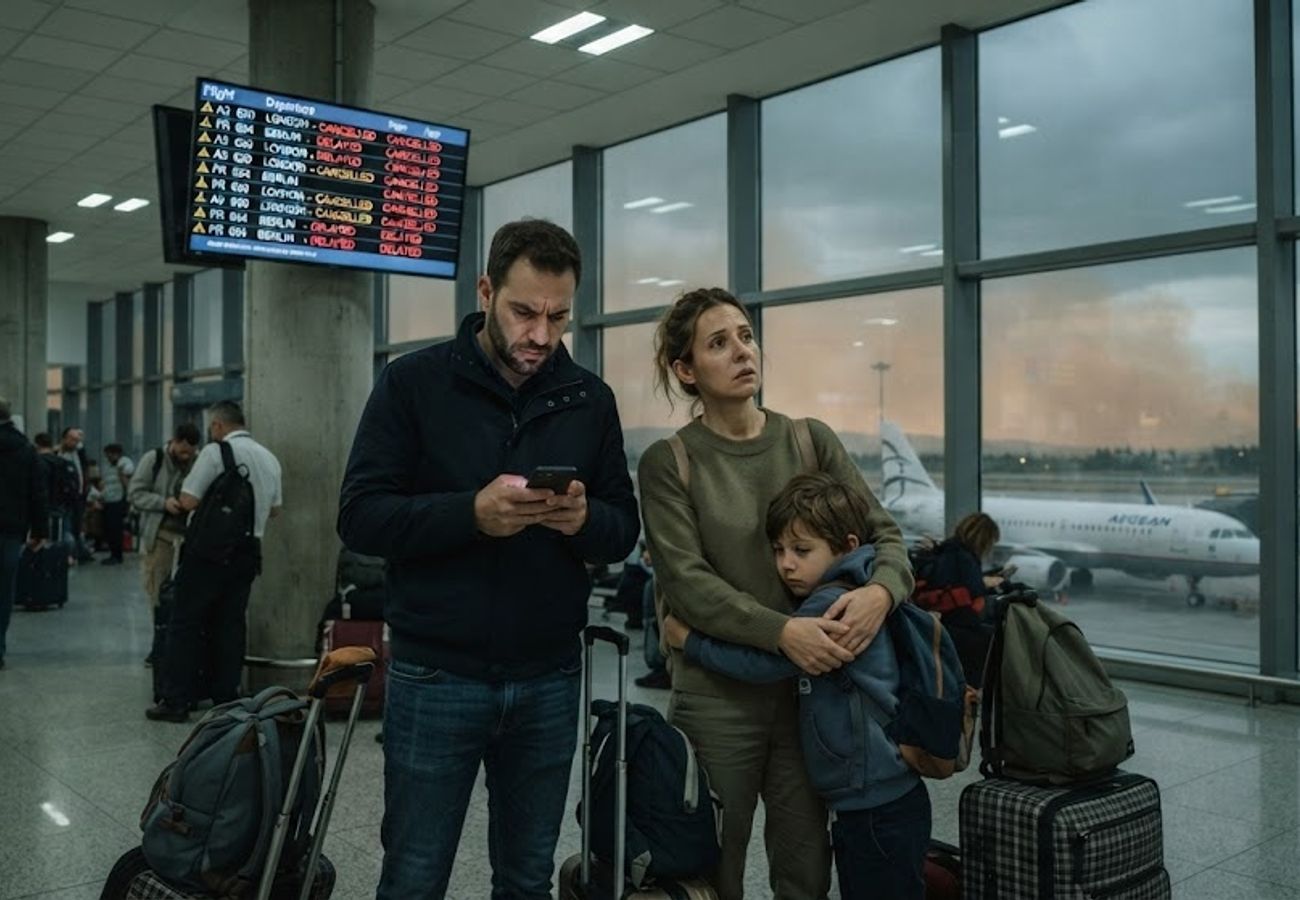
Image generated by AI
Southern Europe is facing a systemic wildfire crisis as Greece struggles to contain blazes near Athens and Crete, while France and Spain transition from emergency response to recovery.
Regional Fire Escalation and Emergency Response
Greece is currently managing a severe wildfire emergency. On Friday, the Greek Fire Service reported more than 70 separate fires igniting across the country. The most critical activity is concentrated around the outskirts of Athens and on the island of Crete.
In the Boeotia region, northwest of Athens, the rapid advancement of flames forced the evacuation of hundreds of residents and tourists via coastguard vessels and local fishing boats. Authorities have placed emergency services at the highest operational readiness level, specifically citing Attica and Evia as high-risk zones due to extreme dryness and wind volatility.
On Crete, firefighting efforts are focused on a massive fire front spanning approximately 15 kilometres. This blaze necessitated the evacuation of roughly 2,000 tourists and local residents. Suppression efforts remain compromised by wind gusts forecast up to 115 kilometres per hour.
Current Status of Fire Operations by Country
| Country | Primary Affected Areas | Status / Impact | Key Statistics |
|---|---|---|---|
| Greece | Athens, Crete, Boeotia, Attica, Evia | Active Emergency | 70+ fires in one day; 2,000 tourists evacuated on Crete |
| France | Bordeaux (West/Southwest) | Recovery Phase | 144,000 residents returning to 12 districts |
| Spain | Madrid, Ávila, Castellón, Zamora | Partial Recovery | 7,000 displaced in Castellón; 1,000 displaced west of Madrid |
Recovery and Ongoing Risks in France and Spain
While Greece remains in a state of crisis, France and Spain are seeing a gradual easing of emergency measures, though significant displacement persists.
In southwestern France, authorities have lifted evacuation orders for 12 districts west and southwest of Bordeaux. This allows approximately 144,000 residents to return home. However, monitoring for hotspots continues to prevent reignition.
Spain has lifted the national emergency status in central regions, including Madrid and Ávila. Despite this, the situation remains precarious:
- Castellón Province: Approximately 7,000 people remain displaced.
- West of Madrid: Nearly 1,000 residents are still barred from returning home.
- Zamora: Active firefighting continues in the Arribes del Duero Natural Park near the Portuguese border, where rugged terrain and high winds are accelerating fire spread.
Environmental Drivers and Health Implications
Market trends and climate data indicate that Europe is enduring one of its most volatile wildfire seasons on record. The synergy of prolonged drought, low soil moisture, and temperatures significantly above historical averages has rendered forests and agricultural lands highly combustible.
Beyond the immediate fire risk, health experts are highlighting the danger of fine particulate pollution. Smoke from these large-scale blazes is traveling vast distances, severely degrading air quality and posing acute risks to travelers with cardiovascular or respiratory conditions.
Why This Matters: Aviation and Tourism Analysis
From a logistical perspective, this regional instability creates a "cascading disruption" effect for the summer travel season. While major hubs and airports currently remain operational, the real impact for travelers is the unpredictability of "last-mile" connectivity.
Our analysis of the current situation suggests three primary risks for the industry:
- Ground Transport Volatility: Localized road closures and sudden evacuations can strand tourists between airports and hotels, particularly in the Attica and Crete regions.
- Operational Strain: The deployment of aerial firefighting resources across multiple countries simultaneously suggests that response times for new outbreaks may lag.
- Demand Shifting: We expect a short-term pivot in booking patterns away from high-risk Mediterranean coastal zones toward cooler, northern European destinations as safety concerns mount.
Forward Outlook
Expect continued volatility through the remainder of the summer. In Greece, the combination of 115 km/h wind gusts and dry vegetation means that "contained" fires can revert to active blazes within minutes. Travelers should prioritize flexible booking options and maintain direct communication with accommodation providers.
Safety remains the primary variable for Southern European tourism in 2026.
Related Travel Guides
Disclaimer
This article is for informational and educational purposes only. It does not constitute legal, financial, or professional advice. While we strive to provide accurate and up-to-date information, travel policies, regulations, and conditions change rapidly. Always verify information with official sources before making travel decisions. Nomad Lawyer makes no representations about the accuracy, reliability, completeness, or suitability of the information provided. Readers should consult qualified professionals for advice specific to their circumstances. The views expressed in this article are those of the author and do not necessarily reflect the views of Nomad Lawyer.
Preeti Gunjan
Contributor & Community Manager
A passionate traveller and community builder. Preeti helps grow the Nomad Lawyer community, fostering engagement and bringing the reader experience to life.
Learn more about our team →