
Southeast Asia Drives Germany Tourism Growth in 2026 as Thailand Singapore Malaysia and Vietnam Increase Inbound Travel
Thailand, Singapore, Malaysia, and Vietnam are emerging as primary drivers for Germany tourism in 2026, fueled by a rising middle class and expanded aviation connectivity.

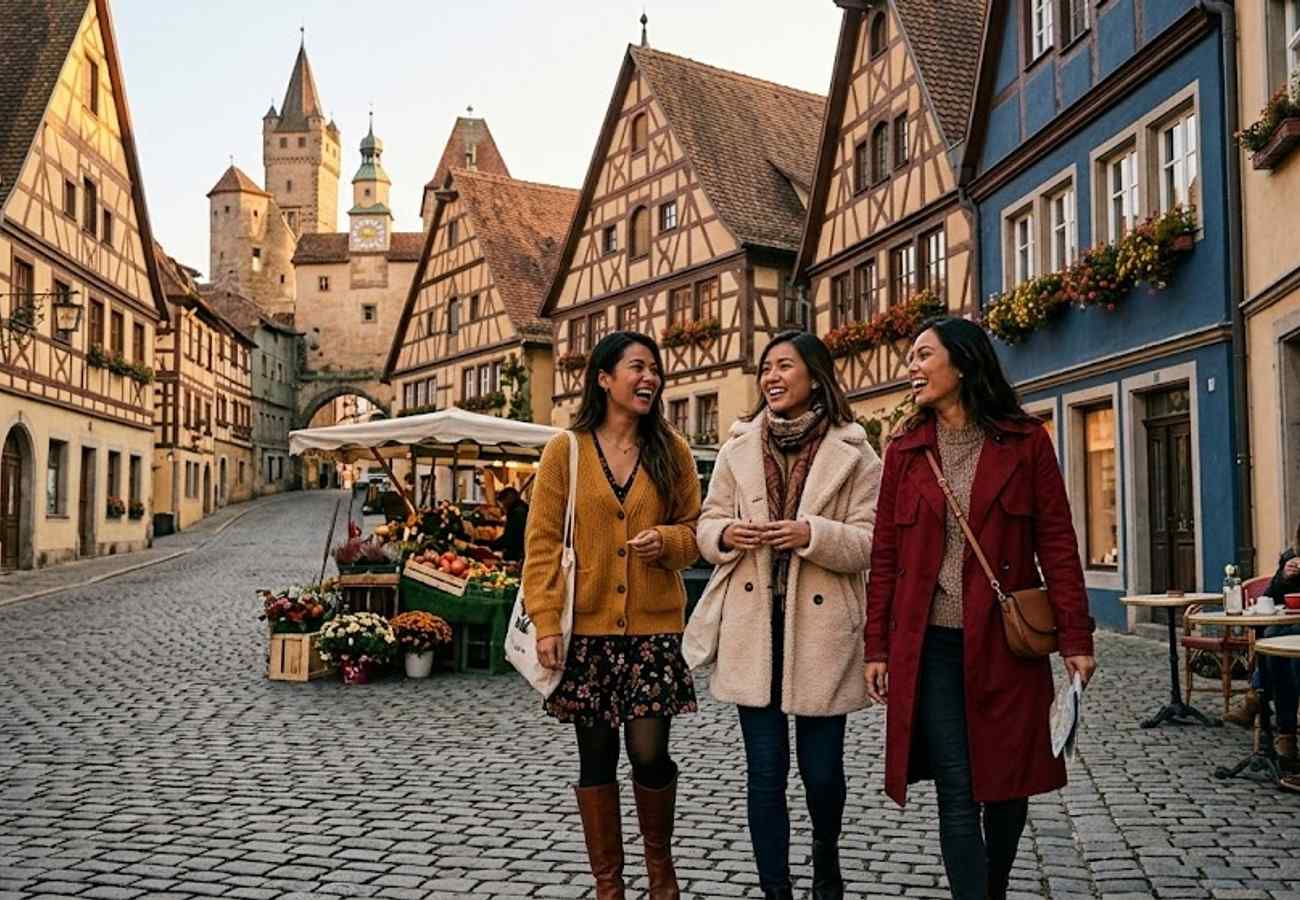
Image generated by AI
[Berlin, July 21, 2026] — Germany is witnessing a strategic shift in its international visitor demographics as Southeast Asia emerges as a primary catalyst for tourism growth in 2026. The region—specifically Thailand, Singapore, Malaysia, and Vietnam—is providing a surge of high-value travelers attracted by European cultural heritage, premium leisure experiences, and expanded long-haul flight networks.
This influx is underpinned by a significant rise in middle-class disposable income across these four nations and a diversifying appetite for global exploration. Industry observers note that the connection between Southeast Asia and the European mainland is being reshaped by a preference for "meaningful travel," where authenticity and depth of experience outweigh traditional sightseeing.
Germany remains a powerhouse for global tourism, leveraging its vast array of UNESCO World Heritage sites, historic urban centers, and sophisticated infrastructure. Data from the Federal Statistical Office reveals a robust foundation for this 2026 expansion; in 2025, German accommodation providers recorded 497.5 million guest overnight stays, signaling a high capacity for absorbing increased international demand.
Thai Travelers Drive Demand for Luxury and Cultural Immersion
Thailand has positioned itself as one of the most influential contributors to the growth of Germany's inbound tourism sector in 2026. A combination of increased confidence in international travel and a growing affluent class has shifted Thai travel patterns toward high-end European holidays.
Thai visitors are moving away from surface-level tourism, instead seeking curated experiences that blend history with modern luxury. Germany’s portfolio of medieval castles, high-street shopping districts, and seasonal Christmas markets aligns precisely with these evolving preferences. Major hubs such as Berlin, Frankfurt, and Munich continue to be primary entry points, with Munich specifically favored for its Bavarian traditions and proximity to the Alps.
The German National Tourist Board has pivoted its strategy to emphasize sustainability, nature, and authentic local encounters over raw visitor volume. This shift resonates with Thai travelers who now prioritize personalized journeys, traditional community interactions, and regional culinary exploration over standard landmark tours.
Furthermore, the role of Bangkok as a premier aviation hub has drastically reduced the friction of long-haul travel, making German cities more accessible and encouraging longer stays.
Singaporean Market Prioritizes Premium Experiences and Global Connectivity
While other markets may drive volume, Singapore is recognized as a high-yield source of tourism for Germany. Singaporean travelers are characterized by higher average spending per trip, focusing on luxury accommodations, fine dining, and exclusive cultural activities.
A common trend among Singaporean visitors is the "multi-city itinerary," where Germany serves as a central anchor for broader European tours. Because of the strong economic ties and industrial cooperation between Singapore and Germany, the flow of visitors is a blend of high-end leisure and MICE (Meetings, Incentives, Conferences, and Exhibitions) tourism.
Frankfurt and Munich are the most critical nodes for this segment due to their world-class airport infrastructure and business links. Beyond the metropolitan centers, there is a growing interest among Singaporeans in sustainable travel options, including historic village tours and scenic railway excursions.
The ability of Germany to offer diverse attractions across all four seasons—from summer landscapes to winter festivals—ensures that Singapore remains a strategically vital market for maintaining year-round occupancy in German hotels.
Malaysia Expands Footprint via Family and Halal-Friendly Tourism
Malaysia is carving out a unique niche in the 2026 German tourism landscape, driven by a strong demand for family-oriented travel and culturally sensitive infrastructure. As the Malaysian middle class expands, there is a visible increase in families seeking destinations that combine nature, shopping, and safety.
A critical factor in this growth is the expansion of halal-friendly tourism within Germany. The availability of Muslim-friendly dining, prayer facilities, and specialized accommodation services has lowered the barrier for Malaysian travelers, making Germany a more welcoming and competitive destination.
Shopping remains a primary motivator for Malaysian tourists, with Berlin and Frankfurt serving as major retail hubs. The integration of lifestyle experiences with cultural sightseeing allows Germany to capture a broader segment of the Malaysian outbound market.
Regional Tourism Data Overview
The following data highlights the foundational strength of the German hospitality sector as it integrates these new Southeast Asian streams.
| Metric | Value | Period |
|---|---|---|
| Total Guest Overnight Stays | 497.5 Million | 2025 |
| Primary Growth Markets | Thailand, Singapore, Malaysia, Vietnam | 2026 Projection |
| Key Entry Hubs | Frankfurt, Munich, Berlin | Ongoing |
| Primary Driver | Middle-Class Income Growth | 2026 |
Strategic Impact on the European Aviation Landscape
The surge in interest from Southeast Asia is necessitating a reconfiguration of aviation links. The increased demand for direct or streamlined connections between ASEAN hubs and German gateways is prompting airlines to optimize schedules and increase capacity.
The synergy between Bangkok's regional connectivity and Germany's internal transport efficiency is creating a "gateway effect." This means that Germany is not only benefiting as a final destination but is acting as the primary European entry point for travelers from across the broader Southeast Asian region.
Why This Matters: The Shift Toward "Value-Based" Tourism
The pivot toward Southeast Asia represents more than just a change in geography; it signals a fundamental shift in how Germany approaches international tourism. For decades, European tourism relied heavily on North American and intra-European flows. By aggressively targeting the "newly affluent" in Thailand, Singapore, Malaysia, and Vietnam, Germany is hedging its bets against regional economic volatility.
The emphasis on halal-friendly services for Malaysians and "meaningful" experiences for Thais demonstrates a move toward hyper-personalization. This "Information Gain" for the industry suggests that the future of long-haul tourism is no longer about the "bucket list" of monuments, but about the alignment of a destination's values with the traveler's lifestyle.
As these markets mature in 2026, Germany's success will depend on its ability to maintain this infrastructure—specifically in the realms of inclusive hospitality and sustainable transport—to ensure that the rise of the Southeast Asian middle class translates into long-term, sustainable economic growth for the German tourism sector.
Germany is effectively redefining its global appeal to match the sophisticated demands of the ASEAN traveler.
Related Travel Guides
Disclaimer
This article is for informational and educational purposes only. It does not constitute legal, financial, or professional advice. While we strive to provide accurate and up-to-date information, travel policies, regulations, and conditions change rapidly. Always verify information with official sources before making travel decisions. Nomad Lawyer makes no representations about the accuracy, reliability, completeness, or suitability of the information provided. Readers should consult qualified professionals for advice specific to their circumstances. The views expressed in this article are those of the author and do not necessarily reflect the views of Nomad Lawyer.
Raushan Kumar
Founder & Lead Developer
Full-stack developer with 11+ years of experience and a passionate traveller. Raushan built Nomad Lawyer from the ground up with a vision to create the best travel and law experience on the web.
Learn more about our team →