
Southeast Asia Backpacking Shift 2026: Rising Costs and the Rise of High-Value Flashpacking
Rising inflation and a strategic shift toward high-value tourism are ending the era of ultra-cheap backpacking in Southeast Asia, replaced by 'flashpacking' and digital nomadism.

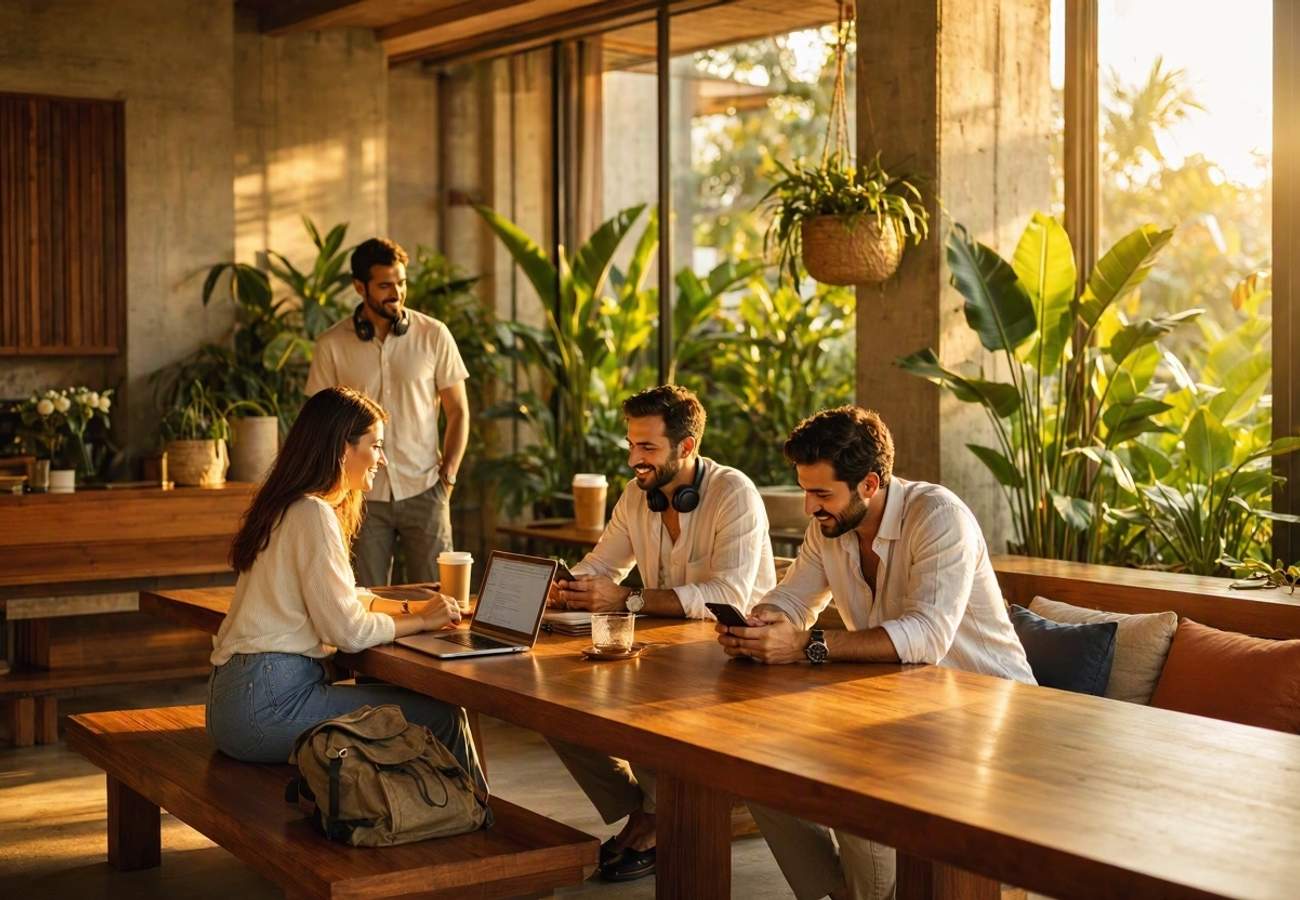
Image generated by AI
Average daily spend for independent travelers in Southeast Asia has seen a steady climb as the 'shoestring' budget of the early 2000s is replaced by a high-value consumption model. This shift is not merely a result of inflation but a systemic pivot by regional governments to prioritize revenue per visitor over total arrival volume.
The Economics of the New Backpacking Era
The traditional model of exploring Thailand, Vietnam, Cambodia, Indonesia, and Laos on minimal savings is facing structural pressure. The primary drivers are escalating fuel costs and operational overheads for low-cost carriers (LCCs), which historically served as the circulatory system for budget tourism. According to data trends often tracked by the International Air Transport Association (IATA), the volatility of jet fuel prices directly correlates with the rising cost of regional hops, making the "multi-country loop" significantly more expensive for students and young adults.
Simultaneously, the accommodation sector is witnessing a transition from dormitory-style hostels to "poshtels"—boutique hostels that integrate shared social environments with premium amenities. These establishments prioritize private rooms, high-speed internet, and ergonomic workstations, catering to a demographic that refuses to sacrifice comfort for cost.
Comparative Market Analysis: Budget vs. High-Value Travel
The regional strategy is moving toward "higher-value tourism," a trend most evident in Vietnam. The Vietnamese tourism board is actively courting middle-class couples and older travelers from South Korea, China, and India who possess higher disposable income. This move is designed to reduce the environmental strain on infrastructure while increasing the economic yield per tourist.
The following table illustrates the shift in traveler profiles and spending patterns across the region:
| Metric | Traditional Backpacking (Pre-2020) | Modern Flashpacking/Nomadism (2026) | Shift Impact |
|---|---|---|---|
| Primary Lodging | Dormitory Beds / Guesthouses | Boutique Hostels / Serviced Apartments | Higher ADR (Average Daily Rate) |
| Navigation Tool | Paper Maps / Guidebooks | Real-time GPS / TikTok / Instagram | Reduced spontaneity; high-density hotspots |
| Stay Duration | High Mobility (Short stays) | Slow Travel (Extended stays) | Increased local community spending |
| Spending Focus | Basic Sustenance / Transport | Wellness / Cultural Experiences / Tech | Shift to "Experience Economy" |
| Key Demographics | Students / Gap-year Youth | Digital Nomads / Gen Z Professionals | Higher average age and income |
What This Means for Travelers
For those planning a trip to Southeast Asia in 2026, the "winging it" approach is becoming financially risky. Data suggests that the lack of ultra-cheap options in primary tourism hubs means that early booking is no longer optional—it is a necessity for budget management.
- Budgeting for "Poshtels": If you are targeting hubs like Bali or Chiang Mai, expect to pay a premium for reliable connectivity. Budget for 20-30% more than historical hostel rates to secure a space with functional co-working facilities.
- The "Instagram Effect" Tax: Destinations popularized via social media are experiencing higher commercialization. To find actual value, travelers must look toward secondary cities and avoid the "viral" routes where pricing is inflated.
- Slow Travel Savings: To mitigate rising transport costs, adopt a "Slow Travel" philosophy. Spending 30 days in one city rather than 5 days in six different cities reduces the reliance on expensive regional flights and allows for monthly rental discounts on accommodation.
- Digital Infrastructure Costs: Factor in the cost of high-tier data plans and travel insurance, as the reliance on digital tools has increased the "baseline" cost of independent travel.
Forward Projection: The Institutionalization of the Nomad
The trajectory of Southeast Asian tourism indicates a move toward the institutionalization of the digital nomad. Cities like Ho Chi Minh City and Chiang Mai are no longer just stops on a map; they are becoming professional hubs. We can expect more governments to introduce specific "Nomad Visas" to formalize this residency, which will further push the market toward higher-end services and away from the shoestring budget.
As regional authorities focus on sustainability and infrastructure capacity, the World Tourism Organization (UNWTO) benchmarks suggest that destinations will continue to favor "quality over quantity." This means that while the region remains accessible, the era of the $10-a-day adventure is effectively over.
FAQ: Asia Backpacking 2026
Will travel costs in Southeast Asia continue to rise? Yes. Inflation, fuel costs, and a strategic shift toward high-value tourism are driving prices up. Travelers should expect higher costs for flights and boutique accommodations compared to previous decades.
Is it still possible to travel on a strict budget? Yes, but it requires more planning. Avoiding "viral" destinations and opting for slow travel in less-commercialized areas can help maintain a lower daily spend.
Which cities are best for digital nomads in 2026? Bali, Chiang Mai, and Ho Chi Minh City remain the primary hubs due to their established co-working infrastructure and community support for remote workers.
What is "Flashpacking"? Flashpacking is a hybrid travel style that maintains the independence of backpacking but incorporates a higher budget for private rooms, domestic flights, and premium dining.
The backpacker's map is no longer made of paper, but of data and disposable income.
Related Travel Guides
Disclaimer
This article is for informational and educational purposes only. It does not constitute legal, financial, or professional advice. While we strive to provide accurate and up-to-date information, travel policies, regulations, and conditions change rapidly. Always verify information with official sources before making travel decisions. Nomad Lawyer makes no representations about the accuracy, reliability, completeness, or suitability of the information provided. Readers should consult qualified professionals for advice specific to their circumstances. The views expressed in this article are those of the author and do not necessarily reflect the views of Nomad Lawyer.
Raushan Kumar
Founder & Lead Developer
Full-stack developer with 11+ years of experience and a passionate traveller. Raushan built Nomad Lawyer from the ground up with a vision to create the best travel and law experience on the web.
Learn more about our team →