
Peach Aviation Boosts Osaka Kansai to Sapporo and Asia Routes for Winter 2024-25 Season
Peach Aviation expands its Osaka Kansai hub with flexible Sapporo frequencies and increased connectivity to Taipei and Singapore for the winter 2024-25 schedule.

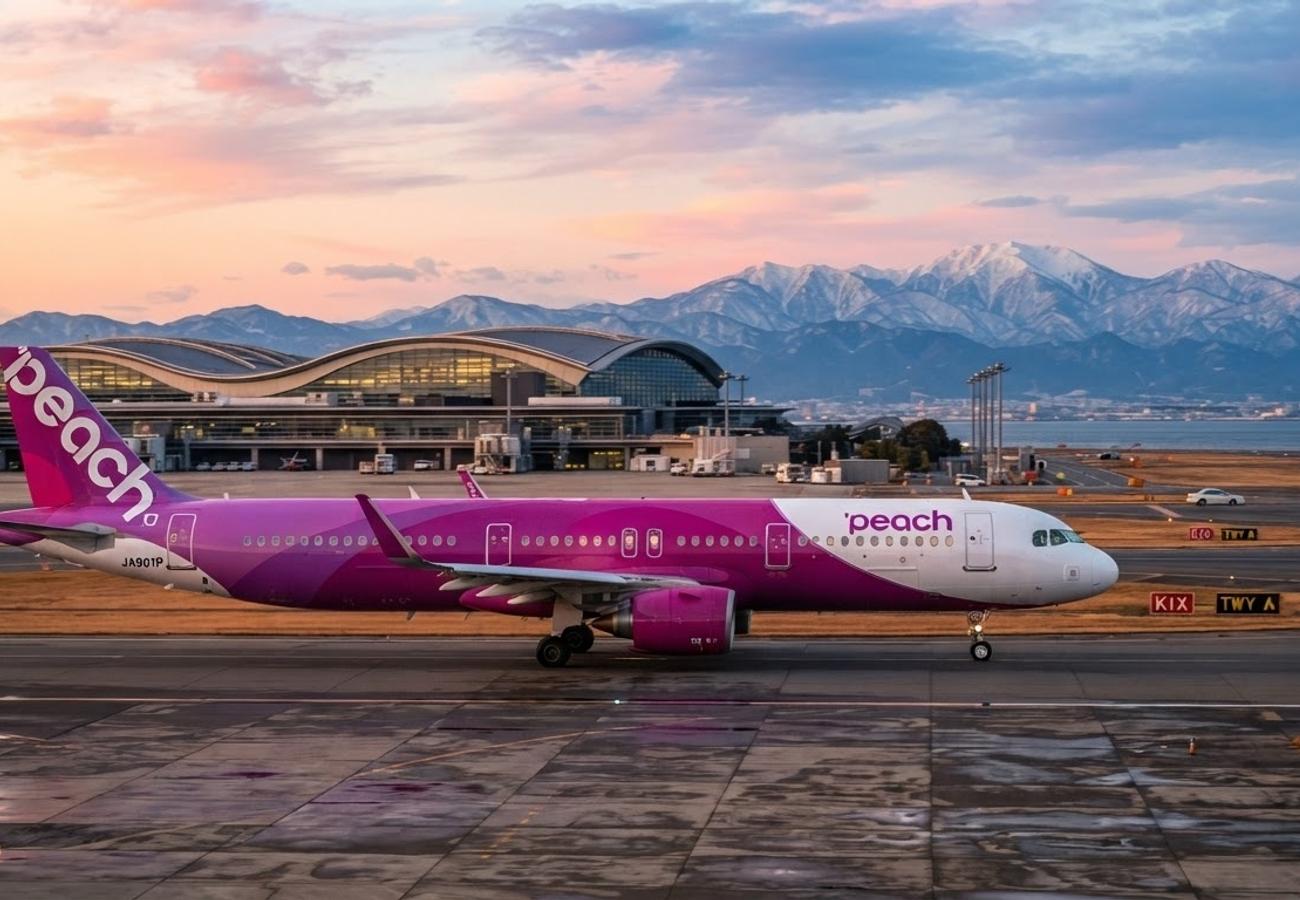
Image generated by AI
Osaka Kansai International Airport is seeing a strategic surge in capacity as Peach Aviation shifts its winter 2024-25 schedule to accommodate a flexible range of 5 to 8 daily round trips to Sapporo. This move signals a broader effort to transform the Kansai region into a primary low-cost transfer hub connecting Northern Japan with Southeast Asia.
The Shift Toward Flexible Regional Connectivity
Peach Aviation has recalibrated its operations for the winter window running from October 27 to March 29. The most significant adjustment is the transition of the Osaka Kansai to Sapporo New Chitose route from a static 6 to 7 daily round trips to a dynamic frequency of 5 to 8 flights. This allows the carrier to aggressively scale capacity during the mid-winter ski peak and New Year holidays while maintaining lean operations during off-peak windows.
This strategy reflects a growing trend in Japanese domestic travel where leisure demand for Hokkaido's winter resorts creates extreme volatility in seat requirements. By utilizing a frequency band rather than a fixed schedule, Peach can better compete with full-service carriers like ANA on one of the most contested corridors in the country.
Transforming Kansai into a Low-Cost Gateway
The expansion is not limited to domestic hops. Osaka Kansai is being consolidated as the airline's primary hub, serving as a pivot point for independent travelers. The airline is now actively promoting multi-sector itineraries that allow passengers to connect from Sapporo to international destinations like Hong Kong or Taipei via a single stop in Osaka.
The scale of this operation is supported by broader airport data. Kansai Airports reports a robust recovery in international operations, forecasting over 1,500 weekly scheduled flights at the March peak. This infrastructure is critical as the region prepares for Expo 2025 Osaka, with a clear goal of exceeding pre-2019 connectivity levels.
Strategic Rebalancing Across Asia
Peach is pivoting its international resources toward high-yield, high-growth markets, specifically in Taiwan and Southeast Asia:
- Taiwan Expansion: The airline is increasing flight frequencies between Kansai and Taipei, as well as from Tokyo Narita to the Taiwanese capital.
- Southern Taiwan Focus: The Airbus A321neo LR remains deployed on the Kansai to Kaohsiung route, leveraging higher seat counts and better fuel economics for price-sensitive leisure travelers.
- Singapore Entry: A seven-times-weekly service from Kansai to Singapore is scheduled to begin in early December.
- Hong Kong Adjustment: In a move to optimize yields, the Kansai–Hong Kong route is being scaled back from a consistent triple-daily pattern to a variable 1 to 3 daily flights.
This reallocation of aircraft suggests a move away from the hyper-competitive Pearl River Delta market in favor of the expanding demand for Japanese winter tourism from Southeast Asian capitals.
Cultural & Environmental Value: The Impact of LCC Growth
For the visitor, the real impact of this expansion is the democratization of "North-to-South" Japanese travel. Traditionally, visiting both the neon streets of Osaka and the powder snow of Hokkaido required expensive full-service tickets or complex rail passes. The rise of the LCC hub model at Kansai makes these regional contrasts accessible to a wider demographic of budget-conscious nomads and students.
From a sustainability perspective, the deployment of the Airbus A321neo LR is a notable step. These aircraft offer reduced carbon emissions per seat compared to older narrowbody models, aligning with broader aviation goals to lower the environmental footprint of short-haul regional hops.
Visitor Insider Tips
Navigating the low-cost ecosystem in Japan requires a different approach than full-service travel. To maximize the value of these new routes, consider these local insights:
- The "Ski-Peak" Window: If traveling to Sapporo for the snow, book your Peach flights the moment the winter schedule opens. Prices spike aggressively between late December and February.
- Kansai Airport Transit: When using Osaka as a transfer hub, be mindful that LCC terminals often require more walking or shuttle transfers than main terminals. Allow at least 3 hours for self-transfer connections.
- Local Dining at KIX: Avoid the main food courts during the March peak. Seek out the smaller, regional kiosks in the terminal that offer "Kansai-style" okonomiyaki for a more authentic, cheaper meal before your flight.
- Luggage Strictness: Peach is known for rigorous baggage weight checks. Use a portable scale at your hotel to avoid steep gate fees, which can often cost more than the ticket itself.
Tourism Outlook
The long-term trajectory for Osaka Kansai is one of diversification. By strengthening the links between Hokkaido and Southeast Asia, Peach is helping the region move beyond being a mere stopover for Kyoto and Nara. The integration of high-frequency domestic spokes with strategic international gateways positions the Kansai region as the primary alternative to Tokyo for Asian arrivals. As Expo 2025 approaches, this network density will likely attract further investment in sustainable ground transport and eco-tourism initiatives across the Kansai-Hokkaido axis.
The evolution of the LCC hub model is turning Osaka into the indispensable crossroads of East Asian travel.
Related Travel Guides
Disclaimer
This article is for informational and educational purposes only. It does not constitute legal, financial, or professional advice. While we strive to provide accurate and up-to-date information, travel policies, regulations, and conditions change rapidly. Always verify information with official sources before making travel decisions. Nomad Lawyer makes no representations about the accuracy, reliability, completeness, or suitability of the information provided. Readers should consult qualified professionals for advice specific to their circumstances. The views expressed in this article are those of the author and do not necessarily reflect the views of Nomad Lawyer.
Raushan Kumar
Founder & Lead Developer
Full-stack developer with 11+ years of experience and a passionate traveller. Raushan built Nomad Lawyer from the ground up with a vision to create the best travel and law experience on the web.
Learn more about our team →