
South Africa Weather Alert: El Niño Forecast for Cape Town and Kruger National Park 2026/27
The South African Weather Service warns of a strengthening El Niño event, bringing above-average temperatures and divergent rainfall patterns to Cape Town and Kruger National Park for the 2026/27 summer.

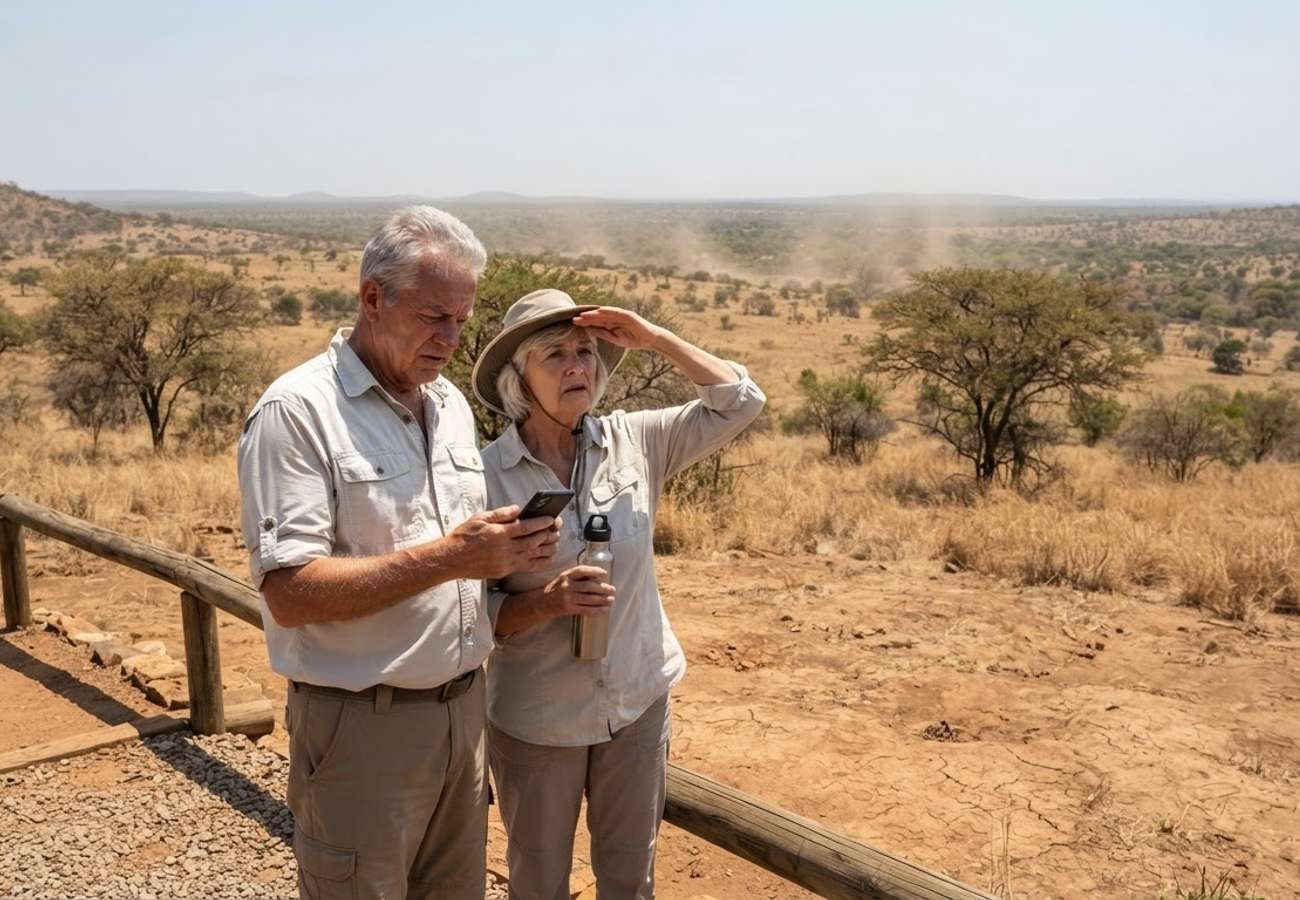
Image generated by AI
South Africa is entering a period of significant climatic shift as a developing El Niño event prepares to influence the 2026/27 summer season. Travelers should expect above-average temperatures nationwide, though rainfall will vary sharply by region.
The South African Weather Service (SAWS) has confirmed that a weak El Niño phase is currently established. Climate models indicate this pattern will strengthen through the second half of 2026, directly impacting tourism hubs including Cape Town, Johannesburg, and the Garden Route.
While these conditions generally favor outdoor sightseeing for visitors from the Northern Hemisphere, they introduce specific logistical challenges for safari operators and coastal travelers.
Regional Climate Projections
The impact of the El Niño-Southern Oscillation (ENSO) is not uniform across the country. Analysis of the seasonal outlook reveals a distinct divide between the east and west coasts.
- The Western Cape & Southern Coast: Forecasts indicate below-average rainfall during the traditional winter precipitation window. This drier trend benefits hiking, vineyard tours in the Winelands, and coastal drives along the Garden Route.
- Eastern Coastline: KwaZulu-Natal and parts of the Eastern Cape are projected to see above-average rainfall during late winter and spring.
- Interior Highlands: Areas such as the Karoo, Drakensberg Mountains, and the Highveld will maintain high daytime temperatures but continue to experience sharp drops during sunrise and sunset.
Impact on Wildlife Viewing and Safaris
Market trends suggest that stronger El Niño events often correlate with drier conditions in the interior. In reserves like Kruger National Park, this typically results in a higher concentration of wildlife around permanent waterholes and rivers.
Industry observers note that while visibility often improves due to thinner vegetation and concentrated animal activity, the heat index will rise. Safari operators are expected to shift schedules toward earlier morning and later evening drives to avoid peak midday temperatures.
Critical Travel Data: July – November 2026
The following data summarizes the current SAWS seasonal outlook and its projected influence on the tourism sector.
| Metric | Forecast/Status | Impacted Regions |
|---|---|---|
| ENSO Status | Weak El Niño (Strengthening) | National |
| General Temp | Above-Average | National |
| Rainfall (East) | Above-Average | KwaZulu-Natal, Eastern Cape |
| Rainfall (West) | Below-Average | Western Cape, Garden Route |
| Primary Risks | Heat stress, water scarcity | Interior, Western Cape |
| Primary Gains | Enhanced game viewing | Kruger National Park, Interior |
Why This Matters: Industry Implication
This forecast represents more than just a temperature shift; it dictates the operational rhythm of South Africa's multi-billion dollar tourism industry.
The divergence in rainfall patterns creates a "split-market" scenario. The Western Cape may see a surge in outdoor activity and photography tourism due to the dry spell, but this increases the pressure on local water infrastructure—a critical vulnerability in Cape Town. Conversely, the Eastern Cape's increased rainfall may necessitate more flexible itinerary planning to avoid weather-related transport disruptions.
For the safari sector, a strengthening El Niño is a double-edged sword. While it concentrates wildlife for better viewing, extreme heat can lead to animal lethargy and increased operational costs for lodges maintaining water supplies and cooling systems.
Forward Outlook
Travelers and operators should monitor the subsequent SAWS updates as the 2026/27 summer approaches. The transition from a "weak" to a "significant" El Niño event will be the primary trigger for adjusting travel advisories.
Visitors should prioritize layered clothing for altitude changes and maintain a flexible approach to coastal itineraries in the east. Responsible water usage will remain a priority in the Western Cape to mitigate the effects of below-average rainfall.
Prepare for a warmer, drier interior and a volatile eastern coast.
Frequently Asked Questions (FAQ)
What is the latest update regarding South Africa Weather El Nino Cape Town Kruger National Park 2026 2027? Travel and aviation authorities have issued updated guidance to ensure passenger safety, route reliability, and schedule clarity across all affected airports and flight corridors.
Where can passengers verify their real-time travel status? Passengers should consult official airline portals, mobile apps, or local airport departure information desks for up-to-the-minute updates before traveling.
Are affected travelers eligible for rebooking or refunds? Standard passenger rights and carrier policies apply, including complimentary flight rebooking, travel credits, or refunds in accordance with aviation consumer protection rules.
Related Travel Guides
Disclaimer
This article is for informational and educational purposes only. It does not constitute legal, financial, or professional advice. While we strive to provide accurate and up-to-date information, travel policies, regulations, and conditions change rapidly. Always verify information with official sources before making travel decisions. Nomad Lawyer makes no representations about the accuracy, reliability, completeness, or suitability of the information provided. Readers should consult qualified professionals for advice specific to their circumstances. The views expressed in this article are those of the author and do not necessarily reflect the views of Nomad Lawyer.
Raushan Kumar
Founder & Lead Developer
Full-stack developer with 11+ years of experience and a passionate traveller. Raushan built Nomad Lawyer from the ground up with a vision to create the best travel and law experience on the web.
Learn more about our team →