South Korea Extreme Heat Wave Triggers Canada Travel Warning

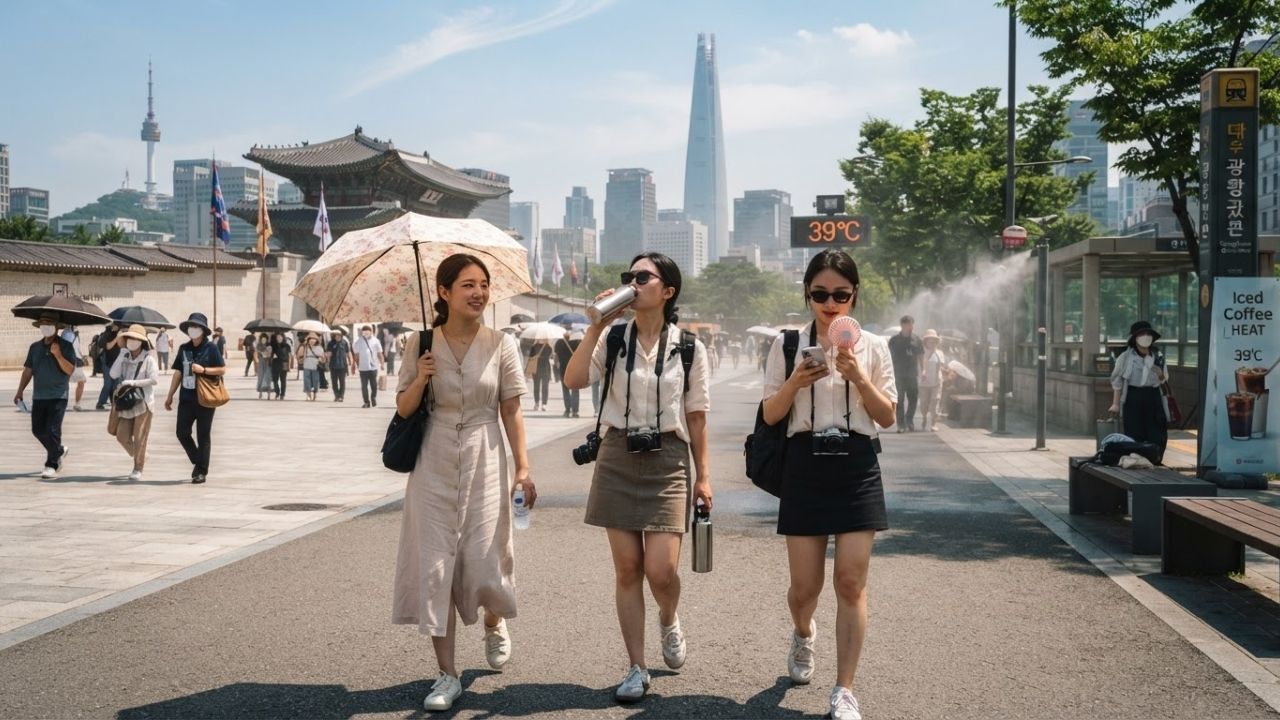
Image generated by AI
The Government of Canada has issued a travel warning for South Korea due to an extreme summer heat wave, with temperatures reaching 40°C and causing a sharp rise in heat-related illnesses.
An intense heat wave across East Asia has prompted foreign ministries to issue summer safety warnings for tourists. The Government of Canada has advised travelers visiting South Korea between June and September to exercise extreme caution as elevated temperatures create severe health risks, particularly for vulnerable populations, children, and those working or exploring outdoors.
According to bulletins from local health agencies, the persistent heat wave has led to dozens of deaths and thousands of heat-related hospitalizations. South Korea's meteorological authorities continue to issue alerts as temperatures rise, urging residents and visitors to limit midday exposure.
Heat Wave Regional Specifications and Cooling Infrastructure
Extreme weather events require tourists to adjust their transit options and daily sightseeing schedules. The following table provides the operational specifications, peak temperatures, and safety resources for three key tourist hubs.
| Affected Region / City | Peak Temperatures | Active Warning Period | Key Transit & Tourist Constraints | Recommended Safety Actions |
|---|---|---|---|---|
| Seoul (Capital City) | Up to 40°C | June – September | Reduced outdoor walking; festival changes | Rest in air-conditioned hubs (museums) |
| Busan (Coastal Area) | High 30s°C to 40°C | June – September | Midday beach/transport congestion | Hydration pauses; avoid midday sun |
| Jeju Island (Resort Hub) | High 30s°C to 40°C | June – September | Outdoor hiking & trekking restrictions | Use indoor botanical & cooling facilities |
Meteorological warnings and safety protocols issued in coordination with the Korea Meteorological Administration (KMA) and global health bulletins.
Traveler Logistics and Air-Conditioned Transit Guide
From a ground-level perspective, the best way to navigate this is to transit between air-conditioned transport options—such as utilizing the direct Airport Railroad Express (AREX) train from Incheon International Airport (ICN) to Seoul Station instead of waiting at outdoor bus bays. Planning transit connections using temperature-controlled corridors minimizes heat exposure.
To coordinate your South Korean travel itinerary during high-heat alerts:
- Transit Planning and Boarding: Minimize outdoor wait times by pre-booking digital transit tickets for the AREX train or high-speed KTX rail systems. All major airport terminals and trains feature modern air-conditioning.
- Cooling Center Access: The South Korean government has established cooling shelters in public offices, community centers, and subway lobbies. Look for designated cooling center signs during outdoor transit.
- Smart Sightseeing Schedules: Plan outdoor activities (such as visiting Gyeongbokgung Palace or hiking in Bukhansan National Park) during early mornings or late evenings, reserving midday hours for air-conditioned museums or shopping malls.
- Border Compliance: Ensure your K-ETA (Korea Electronic Travel Authorization) or visa clearances are completed before booking your flight to prevent long queues at immigration halls.
Environmental Demands and Tourism Adaptation
As heat events intensify across East Asia, municipal planners are implementing green infrastructure to mitigate the urban heat island effect. Seoul's urban forest initiatives and cooling mist sprayers at public bus stops help protect commuters and travelers.
Additionally, South Korea continues to transition toward low-emission electric bus lines and sustainable transport grids to curb emissions. By adapting itineraries to indoor facilities, supporting eco-friendly cooling hubs, and prioritizing passive transit, travelers can safely explore South Korea's cultural attractions during extreme summer conditions.
Related Travel Guides
This article is for informational purposes. Flight routes, passenger regulations, visa rules, and transit advisories are subject to change by airlines and aviation authorities. Readers are advised to verify schedules and travel documentation with relevant carriers and border agencies before departure.
Related Stories

US Embassy Issues Dominican Republic Travel Security Alert Over Dating App Drugging and Robbery Risks
Iceland Blue Lagoon Remains Open as Scientists Track Svartsengi Magma Accumulation: 2026 Volcanic Travel Advisory