
Basarnas Deploys Rescue Fleets as Java Sea Ferry Disruption on Surabaya to Banjarmasin Route Triggers Indonesia Maritime Safety Warnings
Basarnas initiates emergency operations after a Java Sea passenger ferry from Surabaya to Banjarmasin loses contact in severe weather on September 13.

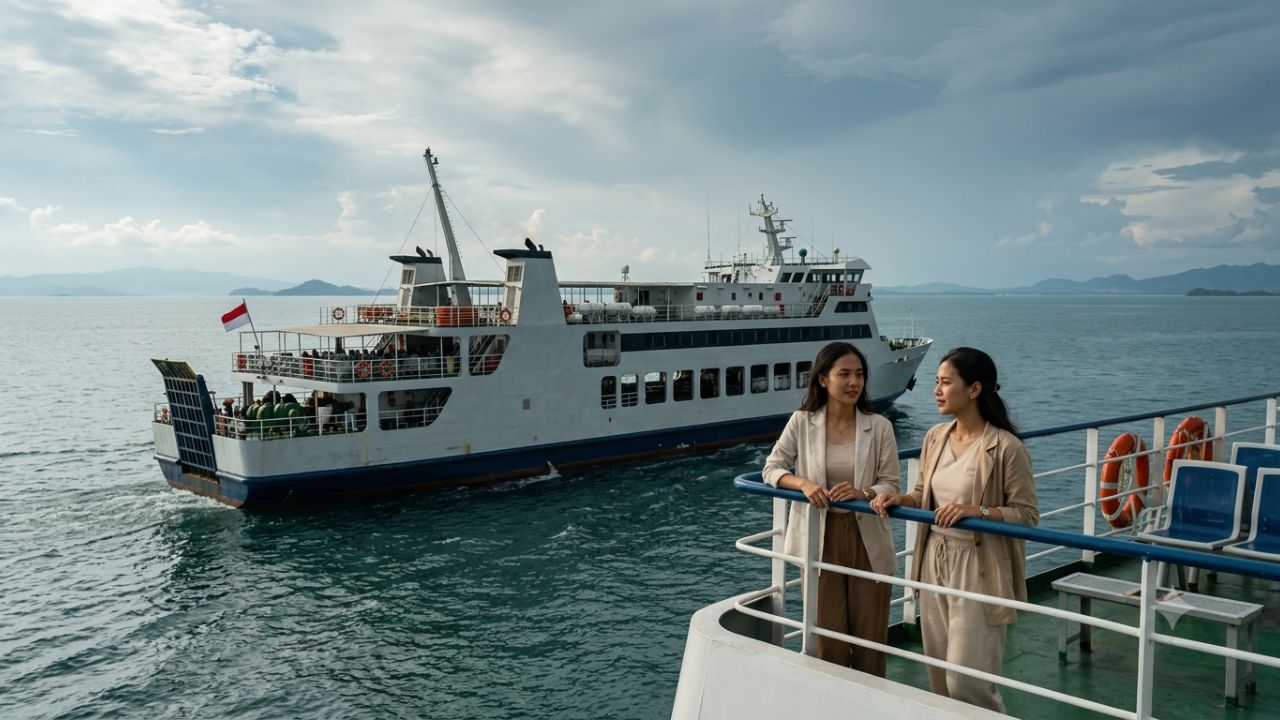
Image generated by AI
Indonesia’s National Search and Rescue Agency (Basarnas) has deployed maritime response fleets into the Java Sea after a commercial passenger ferry operating between Surabaya and Banjarmasin lost communication during severe weather on September 13, 2026.
The incident has placed renewed scrutiny on maritime safety protocols across Indonesia’s vast archipelago of over 17,000 islands. Coordinated search operations involve Basarnas teams, the Indonesian Navy, water police units, and local port authorities. Because millions of residents and foreign tourists rely on sea transport to navigate between Java, Kalimantan, Bali, and eastern island chains, government agencies are emphasizing weather compliance and vessel safety standards.
Basarnas Coordinates Java Sea Search as Passenger Vessel Loses Contact
The Java Sea incident impacts a major maritime corridor connecting two economically vital provincial capitals. Surabaya, situated in East Java, serves as the primary transit gateway for international tourists visiting Mount Bromo, cultural heritage centers, and eastern island routes. Banjarmasin, located in South Kalimantan, is renowned for its river culture, floating markets, and eco-tourism expeditions into rainforest reserves.
The loss of communication occurred following rapid weather deterioration in the open waters of the Java Sea. Indonesian rescue forces mobilized specialized emergency response craft to locate the vessel and ensure passenger safety, highlighting the operational complexities of maintaining inter-island maritime links during seasonal storm patterns.
Maritime Safety and Search Agency Specifications
The table below details the operational roles, regulatory mandates, and emergency contacts governing Indonesian maritime transit safety:
| Official Agency / Authority | Operational Role & Jurisdiction | Primary Safety Function | Official Web Portal |
|---|---|---|---|
| National Search and Rescue Agency (Basarnas) | Lead maritime emergency response & search operations | Coordinating naval, police, and air rescue fleets | basarnas.go.id |
| Meteorology, Climatology & Geophysics Agency (BMKG) | Maritime weather forecasting & storm advisories | Issuing real-time wave height & wind warnings | Official BMKG Weather Portal |
| Ministry of Tourism (Kemenpar) | Tourism infrastructure & visitor safety policy | Destination connectivity & travel safety guidelines | kemenpar.go.id |
| Statistics Indonesia (BPS) | National tourism arrival & mobility analytics | Monitoring international visitor numbers & travel data | bps.go.id |
| Indonesian Navy & Water Police | Maritime security patrol & deep-water support | Tactical search execution & vessel interception | Regional Naval Command |
Inter-Island Connectivity and Key Tourism Corridors
Ferry networks form the backbone of transportation across Indonesia, connecting major island groups where air infrastructure is limited or cost-prohibitive for domestic freight and passenger movement:
- Java to Kalimantan Corridors: Commercial passenger vessels connecting Surabaya and Semarang to Banjarmasin and Balikpapan handle substantial passenger and goods mobility.
- Bali and Neighboring Island Links: High-speed ferries and commercial roll-on/roll-off (Ro-Ro) vessels move thousands of tourists daily between Bali, Lombok, the Gili Islands, and Nusa Penida.
- Sumatra and Eastern Archipelago Routes: Essential sea links connect Java to Sumatra across the Sunda Strait, as well as island chains across East Nusa Tenggara and Maluku.
Official statistics from Statistics Indonesia (BPS) and the Ministry of Tourism demonstrate strong post-recovery international arrivals, increasing the necessity for rigid maritime safety oversight.
Impact on Domestic Aviation, Resort Hospitality, and Tour Operators
While the Java Sea incident involves maritime transport, the operational ramifications extend across Indonesia's broader tourism ecosystem:
- Increased Demand for Domestic Flights: Passengers seeking to avoid sea transit during periods of monsoon weather often shift to domestic air routes. Airlines operating flights between Surabaya (SUB) and Banjarmasin (BDJ) may experience increased seat demand.
- Resort and Hotel Reservation Buffers: Island resorts in South Kalimantan and East Java must manage guest arrival delays caused by ferry holds, prompting hotels to offer flexible check-in windows.
- Tour Operator Itinerary Adjustments: Adventure tour companies organizing overland and sea journeys must monitor daily marine bulletins to adjust island-hopping excursions proactively.
Traveler Logistics Guide: Sea Transit Protocols and Weather Advisories
Travelers planning inter-island ferry journeys across Indonesia in 2026 should implement structured safety protocols:
-
Pre-Departure Weather Monitoring
- BMKG Marine Bulletins: Check official marine forecasts issued by the Meteorological, Climatological, and Geophysical Agency (BMKG) prior to departing for ferry terminals. Avoid sea crossings when BMKG issues high wave warnings (Peringatan Gelombang Tinggi).
-
Vessel Operator Verification
- Licensed Operators: Purchase tickets exclusively from licensed commercial ferry companies operating certified Ro-Ro vessels or regulated fast boats.
- Safety Equipment Check: Verify that life jackets, life rafts, and emergency beacons are accessible onboard before the vessel departs the pier.
-
Air Transit Alternatives
- Direct Domestic Flights: When traveling long distances between major islands (such as Java to Borneo or Bali to Flores), consider commercial flights during seasonal weather shifts to minimize sea travel risks.
-
Itinerary Scheduling Buffers
- Buffer Days: Allow 24-hour buffer windows between scheduled inter-island ferry trips and international flight departures from hubs like Jakarta (CGK) or Bali (DPS) to absorb potential weather delays.
Infrastructure and Maritime Tourism Policy Assessment
The Java Sea ferry search emphasizes the necessity of continuous investment in maritime tracking technology, vessel inspections, and weather monitoring systems. As Indonesia expands its eco-tourism footprint across remote island destinations, maintaining stringent maritime safety standards remains essential for preserving international visitor confidence and protecting local island economies.
Related Travel Guides
Canada Travel Advisory 2026: Mexico, Brazil & Antarctica Rules
The 10 Best Safe Island Ferry Connections in Indonesia, According To Reddit
Disclaimer
This article is for informational and educational purposes only. It does not constitute legal, financial, or professional advice. While we strive to provide accurate and up-to-date information, travel policies, regulations, and conditions change rapidly. Always verify information with official sources before making travel decisions. Nomad Lawyer makes no representations about the accuracy, reliability, completeness, or suitability of the information provided. Readers should consult qualified professionals for advice specific to their circumstances. The views expressed in this article are those of the author and do not necessarily reflect the views of Nomad Lawyer.
Raushan Kumar
Founder & Lead Developer
Full-stack developer with 11+ years of experience and a passionate traveller. Raushan built Nomad Lawyer from the ground up with a vision to create the best travel and law experience on the web.
Learn more about our team →