
South Korea Educational Tourism Market Projected to Reach USD 22.80 Billion by 2033
South Korea is redefining global travel through a surge in educational tourism, with market valuations expected to hit USD 22.80 billion by 2033 driven by the Study Korea 300K Project.

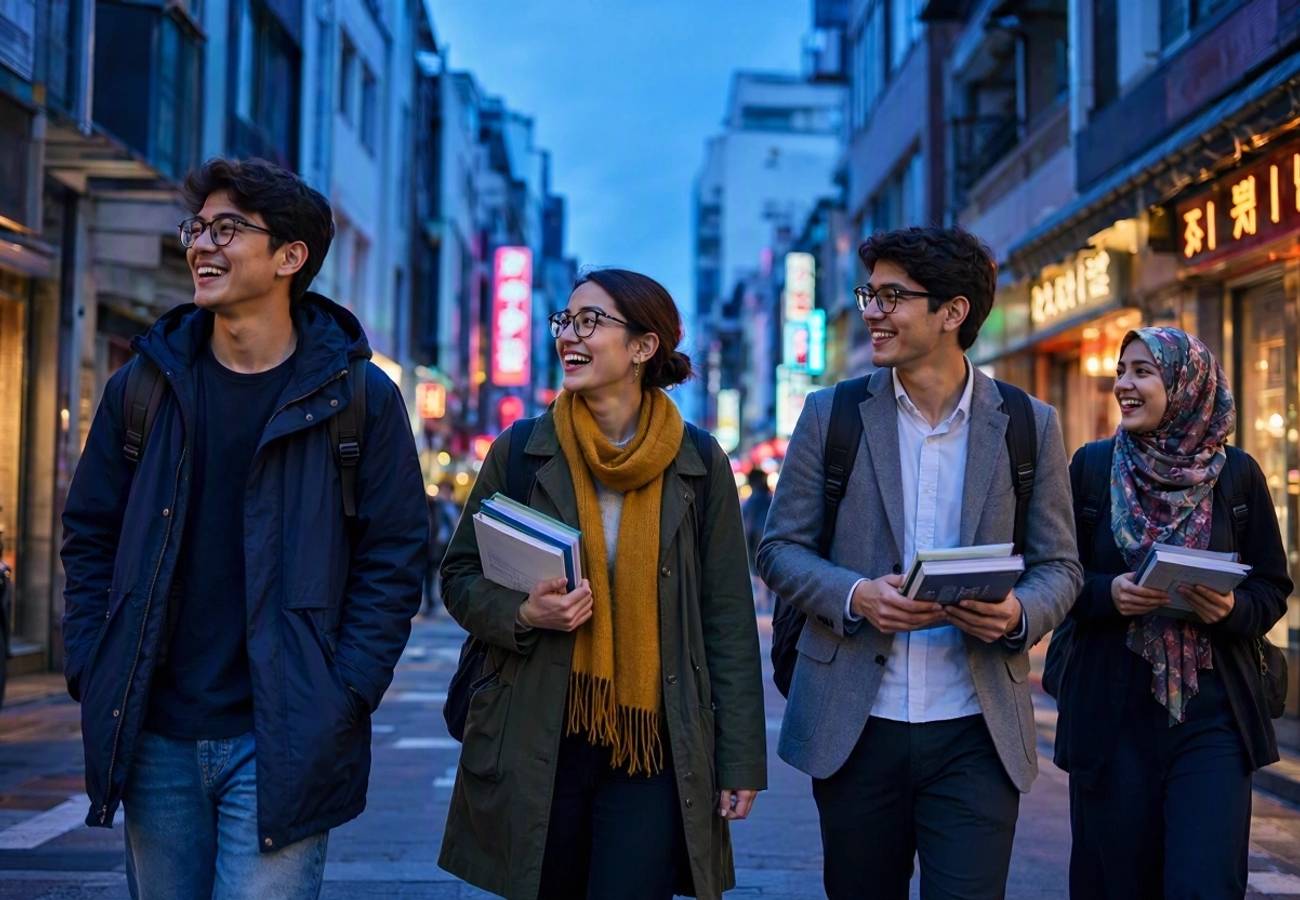
Image generated by AI
[Seoul, October 18, 2026] — South Korea's educational tourism sector is undergoing a massive financial expansion, with projections estimating the market will reach USD 22.80 billion by 2033. This growth signals a fundamental shift in how the region approaches international arrivals, moving away from short-term leisure visits toward long-term academic residency.
The surge is primarily fueled by the Study Korea 300K Project, a government-led strategic framework designed to attract 300,000 international students annually. This policy shift is already impacting aviation and hospitality sectors, as the number of foreign academic enrollments jumped from 209,000 in 2024 to 253,400 in 2025, marking a 21.3% year-over-year increase.
The Catalyst for Structural Change
The transition to purpose-driven travel is forcing a redesign of global tourism infrastructure. Traditional hospitality models based on high turnover are being replaced by long-term living solutions. Hotels are converting standard rooms into study-ready quarters featuring high-speed connectivity and flexible leasing.
Aviation carriers are also adapting. To support students moving for entire academic terms, airlines are adjusting seasonal schedules and increasing baggage allowances. This shift is supported by the Korea Tourism Organization (KTO), which works to integrate international visitors into the local social and commercial ecosystem.
Regional Impact and Market Data
The economic benefits of this trend extend beyond university tuition. Long-term residents provide a stable revenue baseline for local businesses, insulating them from the volatility of seasonal tourism. This "economic ripple effect" includes increased spending at neighborhood groceries, dining establishments, and retail markets.
The following table outlines the projected financial growth and enrollment metrics driving this sector:
| Metric | 2024 Value | 2025 Value | 2033 Projection |
|---|---|---|---|
| Market Valuation | USD 12.5 Billion | — | USD 22.80 Billion |
| Foreign Enrollments | 209,000 | 253,400 | 300,000 (Target) |
| Year-over-Year Growth | — | 21.3% | 7.8% (CAGR 2026-33) |
| Annual Tuition Range | USD 3,000 - 8,000 | USD 3,000 - 8,000 | TBD |
Seoul and Busan remain the primary hubs for this growth. These cities offer the necessary high-tech research centers and public infrastructure to support STEM-focused tours, language immersion, and executive corporate training.
What This Means for Travelers
For those booking travel to South Korea for academic purposes, the experience is becoming more streamlined and digitally integrated.
- Booking & Logistics: Expect more "student-centric" flight packages. Many carriers are now offering specialized baggage tiers for long-term stays.
- Accommodation: There is a growing availability of "study-hotels" and flexible lease apartments that bridge the gap between a dormitory and a luxury hotel.
- Urban Mobility: Travelers can now utilize integrated transit passes that link university campuses with cultural sites and historical landmarks.
- Digital Tools: The use of AI-driven itineraries and augmented reality (AR) is increasing. Prospective students can now use VR to tour campuses and housing via official university portals before booking flights through the Incheon International Airport (ICN) gateway.
The Digital Transformation of Academic Travel
Technology is removing the friction traditionally associated with international study. AI platforms now generate bespoke itineraries based on a student's language proficiency and specific learning goals. On the ground, real-time translation tools and interactive maps are reducing linguistic barriers in Seoul and Busan.
Furthermore, AR applications are being deployed to enhance self-guided cultural walks, overlaying historical data and language lessons onto physical architecture. These digital standards are becoming mandatory for any destination competing for the global student cohort.
FAQ: South Korea Academic Travel 2026
What is the Study Korea 300K Project? It is a government initiative aimed at attracting 300,000 international students to South Korea annually to boost regional commerce and international trade.
How much does tuition cost for international students in South Korea? Annual tuition fees generally range between USD 3,000 and USD 8,000, making it a cost-effective alternative to Western academic hubs.
Which cities are best for educational tourism? Seoul and Busan are the primary anchors due to their world-class infrastructure, high-tech research centers, and robust institutional networks.
Are there special flight options for students? Yes, many airlines are introducing specialized baggage allowances and adjusted seasonal schedules to accommodate those traveling for full academic terms.
The shift from sightseeing to site-studying is turning South Korea into a global classroom.
Related Travel Guides
Disclaimer
This article is for informational and educational purposes only. It does not constitute legal, financial, or professional advice. While we strive to provide accurate and up-to-date information, travel policies, regulations, and conditions change rapidly. Always verify information with official sources before making travel decisions. Nomad Lawyer makes no representations about the accuracy, reliability, completeness, or suitability of the information provided. Readers should consult qualified professionals for advice specific to their circumstances. The views expressed in this article are those of the author and do not necessarily reflect the views of Nomad Lawyer.
Naina Thakur
Contributor & Travel Specialist
Travel enthusiast and legal writer covering visa regulations, responsible tourism, and cultural journeys across global destinations.
Learn more about our team →