
Greece Norway and Bulgaria Emerge as Europe's Hidden Golf Holiday Hotspots in 2026
Beyond the traditional resorts of the Algarve and Palma, a new wave of European golf tourism is surging in the Arctic Circle and the Black Sea coast.

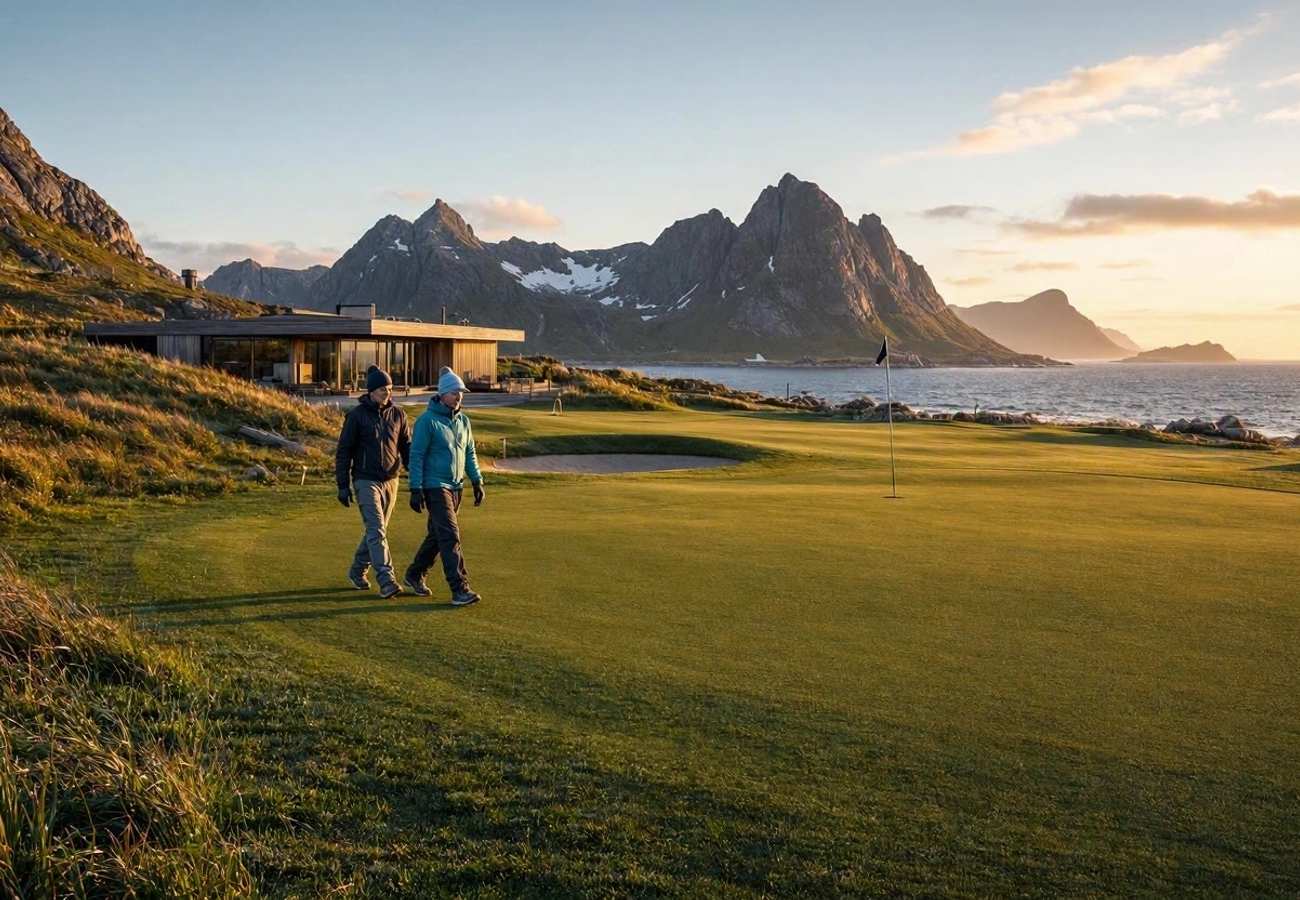
Image generated by AI
Between May 28 and July 14, golfers in Norway's Lofoten Islands can tee off under a sun that never sets. This phenomenon of the midnight sun transforms the game into a 24-hour experience, where the boundaries between day and night vanish against a backdrop of jagged Arctic peaks and the Norwegian Sea.
The Shift Toward Underrated Fairways
The traditional golf map of Europe is being redrawn. While the Algarve and the southern coasts of Spain remain staples, 2026 is seeing a marked migration toward "hidden" destinations. Travelers are increasingly swapping predictable resort hubs for locations that integrate championship-grade sport with raw natural exploration. From the rugged cliffs of the Black Sea to the Atlantic fringes of Portugal, the trend is moving toward "experience-led" sporting holidays where the golf course is merely the starting point for regional discovery.
What Makes These Destinations Different
Unlike the manicured, high-density golf corridors of Western Europe, these emerging hotspots leverage their extreme geography to create a unique psychological appeal. In Norway, the draw is the isolation and the Arctic climate. In Bulgaria, it is the dramatic verticality of the coastline. In Greece, the focus has shifted toward holistic luxury—combining the sport with deep-tissue wellness and Mediterranean gastronomy.
The appeal lies in the contrast. A golfer can spend the morning on a par-72 layout and the afternoon exploring Basque heritage in Biarritz or the Sado Estuary's wildlife in Portugal.
Regional Golfing Profiles and Logistics
For those planning a 2026 circuit, the following breakdown highlights the primary hubs and their defining characteristics.
| Country | Destination | Key Courses | Primary Draw |
|---|---|---|---|
| Norway | Gimsøya, Lofoten Islands | Lofoten Links | Midnight sun & Arctic mountains |
| Bulgaria | Varna / Black Sea Coast | Thracian Cliffs, BlackSeaRama | Dramatic cliffs & seaside spas |
| Greece | Costa Navarino | The Dunes, The Bay, The Hills | Luxury wellness & Mediterranean beaches |
| Portugal | Comporta & Tróia | Tróia Golf, Dunas, Torre | Atlantic coastline & Sado Estuary |
| Portugal | Tavira | Quinta da Ria, Monte Rei | Ria Formosa & eastern Algarve |
| Spain | North-east Majorca | Son Servera, Capdepera, Alcanada | Pine forests & historic towns |
| France | Biarritz | Biarritz le Phare, Arcangues | Basque culture & Atlantic surf |
Deep Dive: The Black Sea and Atlantic Frontiers
Bulgaria has positioned the region north of Varna as a serious contender in the sporting world. The Thracian Cliffs Golf & Beach Resort stands as the crown jewel here; designed by Gary Player, the 18-hole course stretches across 4.5 kilometers of coastline and covers approximately 85 hectares. Every single hole offers a view of the Black Sea, providing a visual scale rarely found in inland European courses.
Meanwhile, Portugal is diversifying beyond the Algarve. The Tróia Peninsula offers a different rhythm. The Tróia Golf Championship Course, a Robert Trent Jones Senior design, features a professional length of 6,317 meters. This area is particularly appealing for those who want to avoid the crowds of southern Portugal, offering a blend of sandy Atlantic terrain and protected natural environments. For more on regional travel trends, see the Visit Portugal official guide.
Visitor Insider Tips
To truly experience these spots without the "tourist bubble," consider these local strategies:
- The Arctic Window: If visiting Lofoten Links, aim for the June solstice. The midnight sun is a powerful draw, but remember that Arctic weather is volatile. Pack high-performance windproof gear regardless of the forecast.
- Majorca's Quiet Side: Skip the southern hubs and head to North-east Majorca. Base yourself in Alcúdia to access Club de Golf Alcanada, then spend your evenings in the historic town centers to avoid the resort-strip crowds.
- Bulgarian Logistics: Use Varna Airport as your primary hub. To avoid the midday heat on the Black Sea courses, book your tee times for 7:00 AM; the coastal breeze is most refreshing at dawn.
- Greek Wellness: At Costa Navarino, don't treat the golf as the only activity. The region is designed for "slow travel." Schedule a recovery day at the wellness centers between rounds at The Dunes and The Bay.
- Transport Hack: In the Comporta and Tróia regions, rent a 4x4. Much of the beauty lies in the sandy tracks between the courses and the hidden Atlantic beaches.
Cultural and Environmental Context
The rise of golf tourism in these sensitive areas—particularly the Arctic and the Black Sea—brings a complex relationship between luxury development and conservation. In the Lofoten Islands, the presence of Lofoten Links must be balanced with the preservation of the fragile tundra. Similarly, the development of 85-hectare resorts in Bulgaria requires significant water management and land-use planning to avoid eroding the very cliffs that attract visitors.
Tourism in these regions is increasingly focused on "low-impact, high-value" visitors. By diversifying the economy away from seasonal beach tourism and toward year-round sporting interests, local communities in places like Tavira and Biarritz are finding more sustainable ways to support local businesses and heritage sites, such as those recognized by UNESCO World Heritage.
FAQ: Visiting Europe's Hidden Golf Hubs 2026
What is the best time to visit the Arctic golf courses? The peak window is between May 28 and July 14 to experience the midnight sun. However, late August offers more stable temperatures and fewer crowds.
Do I need a special visa for Bulgaria or Greece? Most non-EU citizens require a Schengen Visa to visit Greece and Portugal. Bulgaria is also part of the Schengen Area, so one visa generally covers most of these destinations. Check Visit Greece for current entry requirements.
Is the North-east Majorca region accessible without a car? While taxis are available, renting a car is highly recommended to navigate between Son Servera, Capdepera, and Alcanada, as public transport is limited in the rural northeast.
Are these destinations safe for solo travelers? Yes, these regions are generally very safe. Golf resorts in Costa Navarino and Tróia are particularly well-equipped for solo guests, offering integrated dining and social activities.
Trade the crowded greens of the south for the midnight sun of the north.
Related Travel Guides
Disclaimer
This article is for informational and educational purposes only. It does not constitute legal, financial, or professional advice. While we strive to provide accurate and up-to-date information, travel policies, regulations, and conditions change rapidly. Always verify information with official sources before making travel decisions. Nomad Lawyer makes no representations about the accuracy, reliability, completeness, or suitability of the information provided. Readers should consult qualified professionals for advice specific to their circumstances. The views expressed in this article are those of the author and do not necessarily reflect the views of Nomad Lawyer.
Preeti Gunjan
Contributor & Community Manager
A passionate traveller and community builder. Preeti helps grow the Nomad Lawyer community, fostering engagement and bringing the reader experience to life.
Learn more about our team →