
Boundary Waters Wilderness Eco-Tourism Guide
Discover Minnesota's million-acre Boundary Waters Canoe Area Wilderness. Read local visitor insider tips and sustainable travel guidelines for 2026.

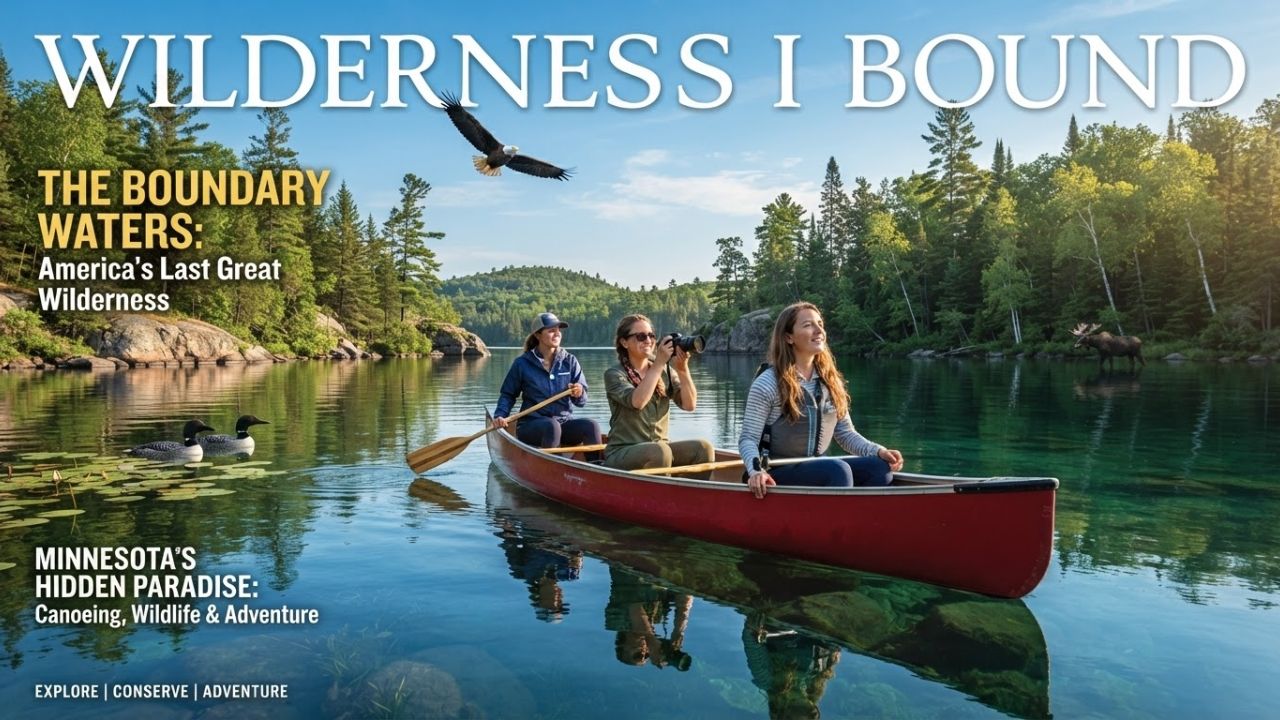
Image generated by AI
The Boundary Waters Canoe Area Wilderness (BWCA) in northern Minnesota is redefining backcountry eco-tourism for the 2026 travel season. Comprising over one million acres of protected waterways, the preserve provides a rare digital detox experience while supporting local conservation initiatives.
Covering one million acres along the US-Canada border, the Boundary Waters Canoe Area Wilderness (BWCA) is witnessing a surge in eco-tourism. With over 1,000 interconnected glacial lakes and historic portage trails, the wilderness serves as a premier destination for low-impact canoe camping, wilderness fishing, and dark-sky observation.
Local outfitters based in gateway communities like Ely and Grand Marais are reporting record demand for sustainable, all-inclusive backcountry outfitting. This trend highlights a broader shift toward nature-immersive tourism where travelers exchange digital connectivity for remote, self-guided exploration.
To protect this fragile ecosystem, federal managers enforce strict entry permits and environmental regulations, ensuring that the wilderness remains pristine and free from industrial noise pollution.
Cultural & Environmental Value (Information Gain)
Wilderness outfitting sustains families in historic timber and mining towns like Ely, which have successfully transitioned to a green recreation economy. Portage routes follow ancestral paths established by the Ojibwe and early fur traders, preserving historical portage measurements such as the "rod" (equal to 16.5 feet).
The BWCA's status as a certified Dark Sky Sanctuary attracts astronomy tourism, promoting the preservation of natural nocturnal habitats. Supported by the U.S. Forest Service (USFS) and local conservation groups, strict permit quotas and Leave No Trace mandates protect fragile nesting grounds of bald eagles and loons.
Visitor Insider Tips
For travelers planning a journey into this remote wilderness:
- Off-Peak Visit Windows: Plan your journey for early September, immediately after Labor Day, when summer crowds decrease, biting insects subside, and northern hardwoods begin their gold foliage transformation.
- Cultural Etiquette & Rules: Under federal wilderness regulations, glass bottles and aluminum cans are strictly prohibited. Pack all food in reusable containers and carry out all trash.
- Local Dining Specialties: After exiting the wilderness, visit Ely's local eateries to enjoy fresh-caught, pan-fried walleye or wild rice soup, a native regional grain.
- Hidden Under-the-Radar Spots: For a scenic approach without backcountry camping, drive the Gunflint Trail (County Road 12), a 63-mile route from Grand Marais that offers high-elevation lake views and access to rustic forest lodges.
Tourism Outlook
Sustainable permit management ensures that visitor numbers remain aligned with ecological carrying capacities. Investments in dark-sky viewing infrastructures and regional eco-lodges are projected to sustain growth in educational and scientific tourism through 2027, protecting the water quality of these glacial basins.
The following table summarizes the travel profiles for different sections of the wilderness:
| Travel Parameter | Backcountry Wilderness Area | Gunflint Trail Corridor | Ely Gateway Hub |
|---|---|---|---|
| Primary Activity | Canoe camping, portaging, wilderness fishing | Scenic driving, day hikes, resort lodging | Outfitting, gear rentals, cultural dining |
| Accessibility | Permit required, motor-free zones, watercraft only | Public road, vehicle-accessible, rustic trails | Main highway access, local shuttle routes |
| Best Travel Months | June to September (Canoeing, Stargazing) | September to October (Fall Foliage) | May to October (Summer Outfitting) |
| Conservation Focus | Leave No Trace, zero-waste, permit caps | Forest preservation, public-private easements | Local conservation center partnerships |
Key Takeaways
- Glacial Waterways: The wilderness includes over 1,000 pristine lakes connected by historic portage trails.
- Conservation Mandates: Strict Forest Service regulations enforce zero-use of glass and cans to preserve the environment.
- Stargazing Haven: Certified dark-sky protections offer prime conditions for viewing the Milky Way and Northern Lights.
FAQ
What is a portage and how is it measured in the Boundary Waters?
Portaging involves carrying canoes and gear overland between lakes. These trails are measured in "rods," a traditional unit where one rod is equivalent to 16.5 feet (the average length of a canoe).
Are there restrictions on what containers I can bring into the BWCA?
Yes, under federal law, glass containers and metal beverage cans are prohibited to prevent litter and resource damage. All food and supplies must be packed in plastic or reusable containers.
What is the best time of year to visit the Boundary Waters?
Early September is widely recommended by local specialists. During this window, summer insect populations decline, temperatures are comfortable for paddling, and fall colors begin to emerge.
Related Travel Guides
Disclaimer
This article is for informational and educational purposes only. It does not constitute legal, financial, or professional advice. While we strive to provide accurate and up-to-date information, travel policies, regulations, and conditions change rapidly. Always verify information with official sources before making travel decisions. Nomad Lawyer makes no representations about the accuracy, reliability, completeness, or suitability of the information provided. Readers should consult qualified professionals for advice specific to their circumstances. The views expressed in this article are those of the author and do not necessarily reflect the views of Nomad Lawyer.
Kunal K Choudhary
Co-Founder & Contributor
A passionate traveller and tech enthusiast. Kunal contributes to the vision and growth of Nomad Lawyer, bringing fresh perspectives and driving the community forward.
Learn more about our team →