South Africa Tourism Hackathon 2026: Digital Tools for Rural and Township Travel Integration

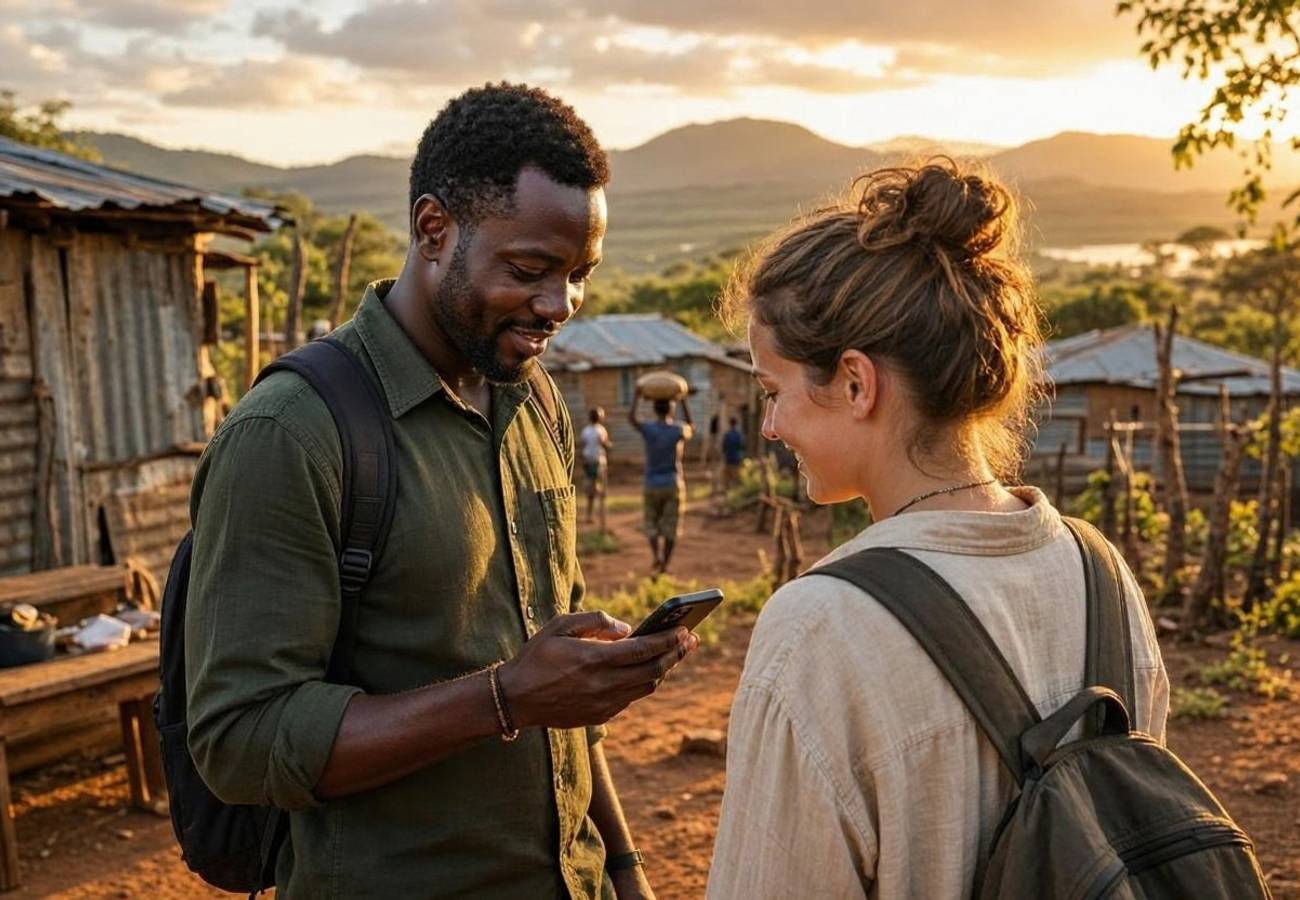
Image generated by AI
Are you trying to book authentic township or village experiences in South Africa but finding a complete lack of online presence? Starting November 14, 2026, the South African government is deploying a targeted digital strategy to bridge this gap, moving rural tourism from "hidden gems" to bookable digital assets.
The Digital Push for Rural Inclusion
The South African Department of Tourism, led by Minister Patricia de Lille, is launching the Tourism Hackathon in Cape Town on November 14, 2026. This is not a theoretical exercise; it is a structured effort to build working prototypes that solve the "discoverability" problem for small-scale operators in townships and rural villages.
Partnering with the University of Cape Town (UCT), the initiative brings together 50 selected students from public and private universities. These participants are tasked with creating functional tools that allow local guides, homestays, and village activity providers to compete in a digital economy. The project is a direct extension of the Tourism Growth Partnership Plan 2025–2030, focusing on economic participation and job creation.
Innovation Focus and Project Timeline
The hackathon is divided into four specific technical pillars designed to remove the friction points currently facing international and domestic travelers visiting non-urban areas.
| Focus Area | Objective | Target User | Expected Outcome |
|---|---|---|---|
| Digital Platforms | Increase Online Visibility | Rural/Township Operators | Discovery tools for new markets |
| Booking Systems | Streamline Reservations | Local Guides & Homestays | Integrated scheduling and booking |
| Virtual Reality | Digital Showcasing | Lesser-known Attractions | VR tours to drive physical visits |
| Payment Tech | Financial Inclusion | Small-scale Entrepreneurs | Secure, accessible payment gateways |
The timeline for these developments is strict: the launch occurs on November 14, 2026, at UCT’s dSchool in Rosebank, with arrivals at 08:30 and official proceedings starting at 09:20. The development phase continues through the end of the year, leading to final pitches and awards between January and March 2027.
Traveler Logistics Guide
For the frequent traveler or digital nomad looking to explore the "off-the-beaten-path" side of South Africa, these changes will fundamentally alter how you plan your itinerary. Here is the practical breakdown of what to expect and how to prepare.
Booking Strategies for Rural Areas Currently, most township and village experiences require manual coordination via WhatsApp or local intermediaries. By early 2027, expect a shift toward centralized booking prototypes. When planning trips to rural Western Cape or Gauteng, keep an eye on emerging platforms developed through this partnership with CATHSSETA, as these will likely be the first verified gateways for small operators.
Payment and Currency Logistics One of the biggest hurdles in rural South African tourism is the reliance on cash. The 2026 Hackathon specifically targets payment technology. Travelers should continue to carry small denominations of South African Rand (ZAR) for now, but expect a rollout of more inclusive digital payment options for village-based services by mid-2027.
Navigating Township Tourism When visiting township experiences, always verify your operator through official tourism boards or the newly developed digital tools. The move toward "community-based tourism" means that the benefits of your spend stay within the local economy. Use these upcoming digital tools to find certified local guides who can provide safe and authentic navigation of these areas.
Connection Tips While the hackathon focuses on digital tools, rural connectivity remains a variable. Always download offline maps of the Western Cape and rural provinces. If you are using a new booking prototype, ensure you have a saved PDF of your confirmation, as network stability in remote villages can fluctuate.
Regional Connectivity Impact
This initiative reshapes the South African travel map by decentralizing tourism. Historically, the majority of international spend has been concentrated in Cape Town, Johannesburg, and Kruger National Park. By digitizing the "last mile" of tourism—the small village homestay or the township art gallery—the government is effectively expanding the reachable tourism geography of the country.
The integration of VR tours is particularly significant for high-end travelers who are hesitant to visit unfamiliar areas. By providing a digital "preview," the Department of Tourism aims to lower the perceived risk of rural travel, thereby increasing the flow of visitors into underdeveloped regions. This alignment with UN Sustainable Development Goals ensures that the growth is not just about numbers, but about decent work and economic growth for marginalized communities.
FAQ: South Africa Rural Tourism 2026
Can I use these new booking tools now? No. The November 14, 2026, event is the launch of the development process. Working prototypes will be finalized and presented between January and March 2027.
Will these tools be available for international credit cards? Yes, a primary goal of the payment technology pillar is to improve financial inclusion and access for small operators, which includes facilitating easier payments for international visitors.
Do I need a special permit for township tourism? Generally, no, but it is highly recommended to use a registered local guide. The new digital platforms aim to make finding these certified guides easier and more transparent.
Which regions will benefit most from this digital shift? While the hackathon is based in Cape Town, the tools are designed for rural and township operators nationwide, specifically targeting areas currently underrepresented in digital travel catalogs.
The shift from manual to digital in South Africa's rural heartlands is no longer a luxury—it is a survival strategy for local tourism.
Related Travel Guides
This article is for informational purposes. Flight routes, passenger regulations, visa rules, and transit advisories are subject to change by airlines and aviation authorities. Readers are advised to verify schedules and travel documentation with relevant carriers and border agencies before departure.
Related Stories
Malta Launches AI Tourism Intelligence Platform on World Tourism Day 2026 to Drive Sustainable Visitor Growth: Latest Update
SDNB Vaishnav College for Women Partners With Google Cloud and Deloitte to Launch Tamil Nadu First Agentic AI Campus in Chennai