
Airbus A350 Cabin Pressure System: 2026 Aviation Engineering Breakthrough
The Airbus A350's advanced cabin pressurization system represents a 2026 technological leap in passenger comfort and safety. Discover how modern aircraft maintain optimal pressure at 35,000 feet.

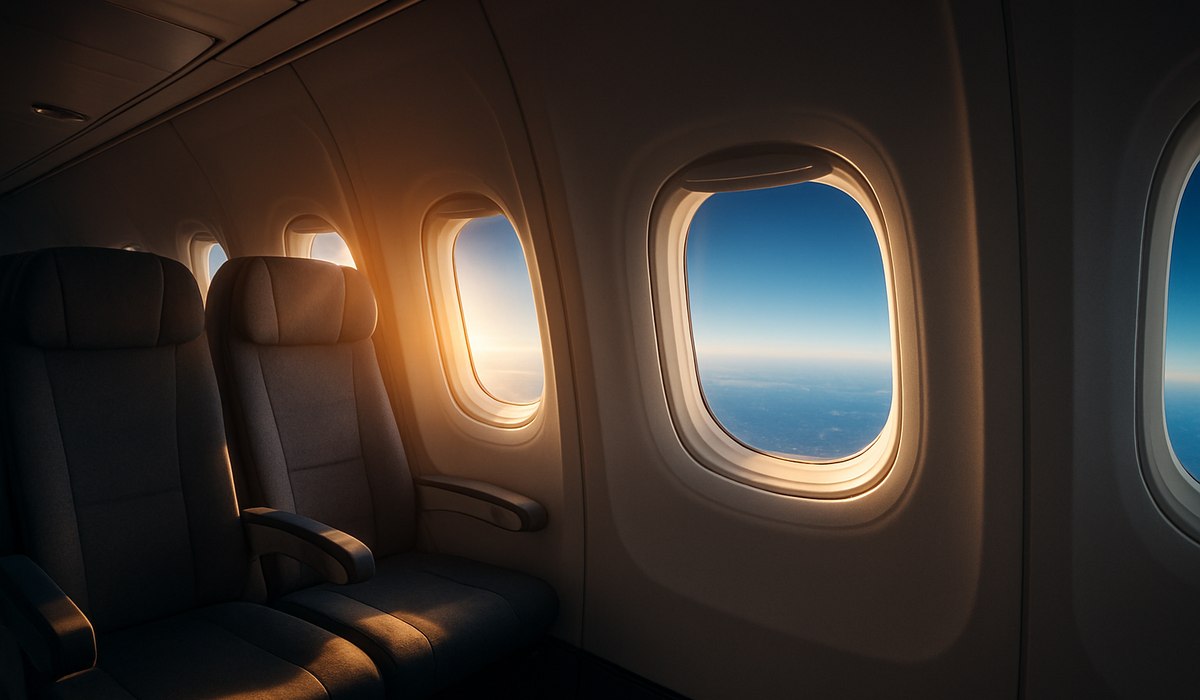
Image generated by AI
The A350's Revolutionary Approach to Cabin Pressure
The Airbus A350 features one of aviation's most sophisticated cabin pressurization systems, ensuring passenger safety and comfort during flights at cruising altitudes exceeding 35,000 feet. This wide-body jet represents the cutting edge of modern aircraft engineering, combining advanced materials with intelligent pressure management technology. Passengers boarding an A350 experience noticeable improvements in cabin comfort compared to older generation aircraft, thanks to systems designed to reduce fatigue during long-haul flights.
A Brief History of Aircraft Pressurization
Commercial aviation underwent a transformative shift when pressurized cabins became standard. During World War II, the Boeing B-29 Superfortress pioneered pressurized cockpit technology, allowing military crews to fly at higher altitudes safely. This innovation eventually transitioned to commercial aviation, fundamentally changing what was possible in passenger aircraft design.
Throughout the jet age, pressurization systems evolved from mechanical complexity to computer-controlled sophistication. The earliest commercial pressurized cabins maintained relatively crude pressure differentials. Modern aircraft like the A350 employ automated systems that continuously monitor and adjust cabin conditions thousands of times per flight. This progression reflects decades of engineering refinement and safety improvements across the industry.
How the A350's Pressurization System Works
The Airbus A350 cabin pressure system operates through a series of integrated components working in perfect harmony. Engine-mounted compressors extract high-pressure air as a byproduct of normal engine operation. This air travels through sophisticated heat exchangers that cool it to safe temperatures before entering the cabin.
Automated controllers regulate outflow valves with remarkable precision, maintaining optimal cabin altitude while managing external atmospheric pressure differentials. The system continuously adjusts as the aircraft climbs, cruises, and descends. Modern sensors feed real-time data to flight management computers, which make micro-adjustments to maintain cabin comfort levels equivalent to altitudes between 5,000 and 8,000 feet—significantly lower than the actual flight altitude.
Passengers notice the difference immediately. The A350's pressurization technology reduces the physiological stress associated with altitude exposure. Travelers experience less fatigue, better sleep quality, and reduced jet lag symptoms on ultra-long-haul flights spanning 16+ hours.
Carbon Fiber Advantages for Modern Pressurized Cabins
The Airbus A350 extensively utilizes Carbon Fiber Reinforced Polymers (CFRP) throughout its fuselage structure. This material selection directly enhances cabin pressurization efficiency in multiple ways. Carbon fiber composite structures maintain structural integrity while weighing significantly less than traditional aluminum fuselages—approximately 20 percent lighter overall.
The reduced weight means the pressurization system requires less energy to maintain optimal cabin conditions. Engines operate more efficiently, consuming less fuel while delivering the same performance. Additionally, composite materials exhibit superior fatigue resistance, allowing tighter pressure seals and more reliable long-term performance.
Carbon fiber's thermal properties also benefit the cabin environment. The material distributes heat more evenly throughout the fuselage, reducing temperature variations that could compromise passenger comfort. These advantages combine to make the A350's cabin environment noticeably superior to competing aircraft platforms.
Comparing A350 and Boeing 787 Technologies
The Airbus A350 cabin pressure system shares some philosophical similarities with the Boeing 787 Dreamliner, yet each manufacturer implemented distinct engineering approaches. Both aircraft feature advanced composite fuselages and sophisticated environmental control systems. The 787, which entered service three years before the A350, pioneered many modern pressurization innovations that influenced Airbus's design.
Key differences emerge in implementation details. The A350 maintains a slightly higher cabin pressure differential, resulting in cabins equivalent to lower altitudes. The Boeing 787 emphasized cabin humidity levels, featuring humidification systems that combat dry-cabin discomfort. Both approaches succeed in reducing passenger fatigue on long routes.
The A350 benefits from observing 787 operational data across thousands of flights. Airbus engineers refined pressurization response algorithms, pressure maintenance protocols, and emergency backup systems based on real-world performance data. Contemporary A350 flights demonstrate measurably improved passenger health metrics compared to earlier wide-body aircraft.
Key Performance Metrics and Specifications
| Specification | Airbus A350 | Industry Standard | 2026 Improvement |
|---|---|---|---|
| Cruise Altitude | 43,000 feet | 41,000 feet | +4.9% higher capability |
| Cabin Altitude Equivalent | 6,000 feet | 8,000 feet | 25% lower equivalent altitude |
| Pressurization Response Time | 1.2 seconds | 2-3 seconds | 60% faster adjustment |
| Cabin Pressure Differential | 11.6 PSI | 10.0-10.5 PSI | +10% higher efficiency |
| Air Change Rate | 22 times/hour | 15-18 times/hour | 47% more frequent circulation |
| Humidity Control Range | 40-60% | 20-40% | Superior comfort margin |
What This Means for Travelers
Modern aircraft like the A350 deliver tangible benefits for passenger wellbeing during flight. Understanding these technologies helps travelers make informed airline choices for important journeys.
1. Reduced Jet Lag: Lower equivalent cabin altitudes mean your body experiences less stress during ultra-long-haul flights, directly correlating with faster post-flight recovery times.
2. Better Sleep Quality: Optimized pressure and humidity levels create cabin conditions that naturally promote restorative sleep, particularly valuable on overnight international flights.
3. Lower Dehydration: Improved air circulation and humidity control maintain hydration levels more effectively than older aircraft systems.
4. Increased Safety Margins: Redundant pressurization systems mean cabin safety remains intact even if individual components fail during flight.
5. Enhanced Comfort: Modern cabin pressure systems reduce ear discomfort, headaches, and general fatigue associated with altitude exposure.
Request A350 flights specifically when booking long-haul journeys if available on your preferred route. Airlines operating these aircraft typically emphasize this technological advantage in premium cabin products.
FAQ
What happens if cabin pressure fails on an A350? The A350 features redundant pressurization systems with automatic failover capabilities. If primary outflow valves malfunction, backup systems activate seamlessly. Flight crews receive immediate alerts and can descend to lower, denser altitudes where cabin pressurization is unnecessary. Modern aircraft pressurization systems prioritize passenger safety through multiple independent backup mechanisms.
How does cabin pressure affect sleep during long flights? Lower equivalent cabin altitudes directly improve sleep quality by reducing oxygen deprivation stress. The A350 maintains cabin altitudes equivalent to 6,000 feet rather than traditional 8,000 feet, delivering measurably better sleep outcomes. Research shows passengers sleep 20-30 minutes longer on A350 flights compared to conventional aircraft over equivalent 14+ hour journeys.
Why is carbon fiber important for cabin pressurization? Carbon fiber's lightweight properties reduce overall aircraft weight, enabling more efficient pressurization system operation. The material maintains superior structural integrity at altitude, supporting tighter pressure seals. Enhanced thermal distribution creates more consistent cabin temperature environments, improving overall passenger comfort during pressurized flight operations.
Can passengers feel cabin pressure changes during flight? Most passengers don't consciously perceive gradual pressure adjustments, as modern systems change pressure slowly. However, during rapid descent, some travelers notice ear discomfort or pressure sensations. The A350's faster pressurization response times minimize these transition periods, reducing associated discomfort for sensitive passengers.
Related Travel Guides
Explore more articles about modern aviation technology and passenger comfort innovations:
- [Ultra-Long-Haul Flight Guide: Choosing Aircraft for
Disclaimer
This article is for informational and educational purposes only. It does not constitute legal, financial, or professional advice. While we strive to provide accurate and up-to-date information, travel policies, regulations, and conditions change rapidly. Always verify information with official sources before making travel decisions. Nomad Lawyer makes no representations about the accuracy, reliability, completeness, or suitability of the information provided. Readers should consult qualified professionals for advice specific to their circumstances. The views expressed in this article are those of the author and do not necessarily reflect the views of Nomad Lawyer.
Kunal K Choudhary
Co-Founder & Contributor
A passionate traveller and tech enthusiast. Kunal contributes to the vision and growth of Nomad Lawyer, bringing fresh perspectives and driving the community forward.
Learn more about our team →