South Africa Rewrites Africa And Gulf Travel Rules As Oman Visa Free 14 Day Access Creates New Visitor Opportunities

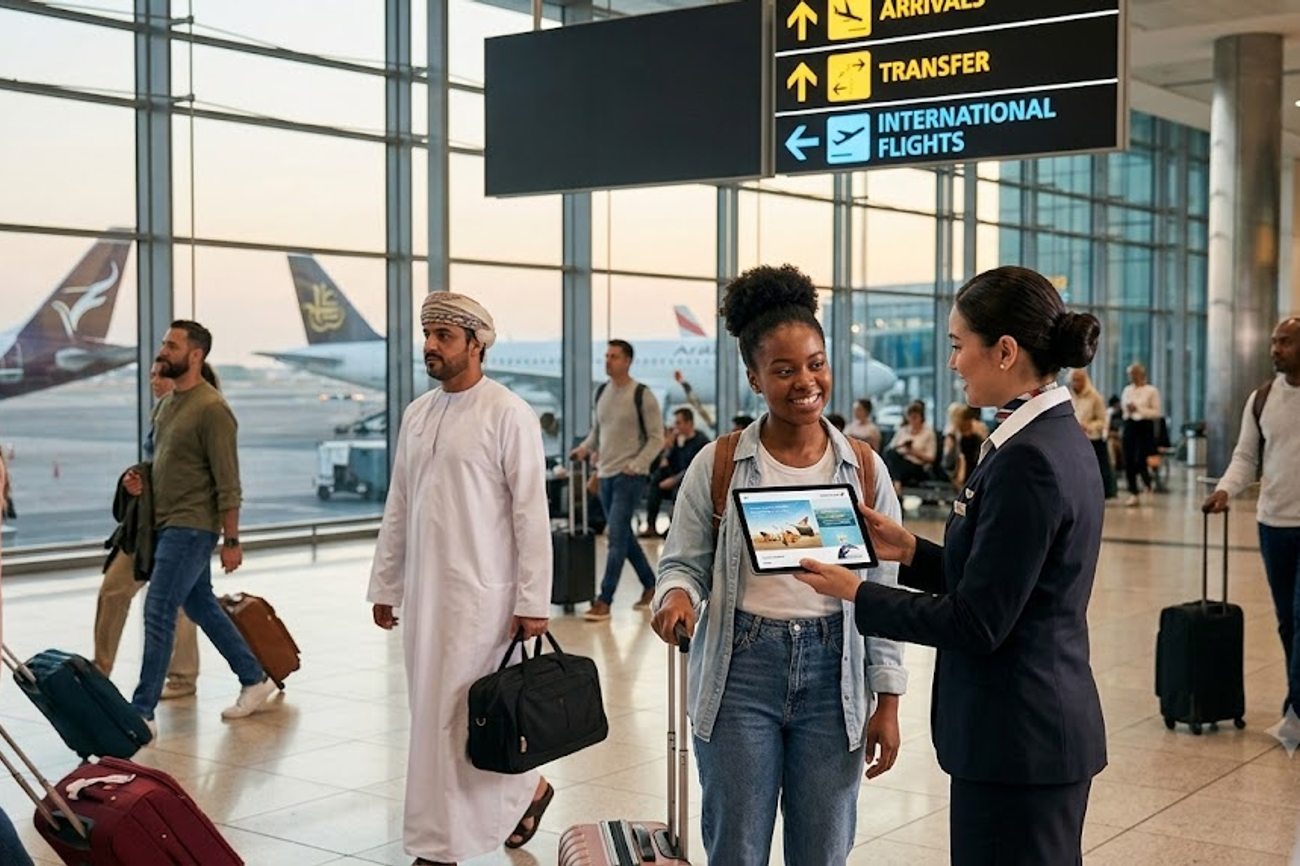
Image generated by AI
South African passport holders can now enter Oman entirely visa-free for up to 14 days, a strategic shift that bypasses the traditional bureaucracy of the Gulf. While most of the African continent still requires electronic visas or rigorous pre-approval, this specific exemption transforms Oman into one of the most accessible Arabian destinations for Southern Africans.
The Shift Toward Arabian Accessibility
For years, the Gulf states have been viewed as high-barrier destinations, often requiring extensive documentation and waiting periods. Oman is currently rewriting that narrative. By granting a 14-day visa-free window to South Africans, the Sultanate is not just simplifying paperwork; it is actively competing for a share of one of Africa's most robust outbound travel markets.
This is not a broad opening of borders across the continent, but a surgical move to strengthen a specific corridor between Southern Africa and the Arabian Peninsula. While other African nationals must still navigate the Oman eVisa platform to secure entry, South Africans can now treat a trip to Muscat as a spontaneous getaway. This shift is designed to capture several high-value segments: the luxury seeker looking for an alternative to Dubai, the adventure traveler eyeing the Hajar Mountains, and the business professional needing a quick regional hub.
The timing is precise. Oman is positioning itself as the primary bridge connecting Asia, Africa, and the GCC. By removing the friction of entry for South Africans, they are encouraging stopover tourism—where travelers break up a long journey to Asia with a two-week immersion in Omani culture.
What Makes Oman Different
If you have spent time in the UAE or Qatar, you know the allure of the "mega-city"—the tallest towers and the most expansive malls. Oman is the antithesis of that experience. It is a place of low-rise architecture, where building codes strictly forbid skyscrapers in the capital to preserve the city's aesthetic harmony.
The experience here is defined by a duality of geography. In Muscat, the maritime history is palpable. The city is a collection of white-washed buildings nestled between jagged black mountains and the turquoise Gulf of Oman. It feels less like a global metropolis and more like a sophisticated coastal town.
Beyond the capital, the geography shifts violently. The Wahiba Sands offer an experience of silence and scale, with golden dunes that stretch toward the horizon and traditional Bedouin camps that offer a glimpse into nomadic life. For those who prefer the cold to the heat, the Hajar Mountains provide a dramatic alpine-like environment, complete with hiking trails and deep canyons.
Unlike its neighbors, Oman’s identity is rooted in "authentic" Arabian culture. You will find this in the souqs, where frankincense—the "tears of the gods"—fills the air, and in the ancient forts that guard the interior. It is a destination for those who find luxury in solitude and heritage rather than in neon lights.
Visitor Insider Tips
To experience Oman like a resident rather than a tourist, you have to move beyond the hotel lobbies of Muscat.
South Africa's revised travel rules have significant implications for Africa and Gulf travel, with Oman's introduction of visa-free 14-day access being a notable development. According to the South African Department of Home Affairs, these changes aim to boost tourism and facilitate travel between countries. The new regulations are expected to increase passenger traffic, with airlines such as Emirates and Qatar Airways likely to benefit from the increased demand.
Timing Your Visit Avoid the region from June to August. The heat is oppressive and can make outdoor exploration dangerous. The sweet spot is October through March, when the weather is mild enough for mountain trekking and desert camping. If you visit during this window, aim for the weekends to avoid the heaviest crowds at the major forts.
Local Etiquette and Dress Omanis are famously hospitable, but they value modesty. While you don't need to cover your head or wear traditional dress, avoid shorts or sleeveless tops in residential areas and government buildings. When visiting a mosque, women must cover their hair and limbs entirely, and men should wear long trousers. A light linen scarf is a mandatory accessory for any female traveler here.
Transport Hacks Do not rely on public transport; it is virtually non-existent for tourists. The only way to truly see the interior—the mountains and the sands—is by renting a 4x4 vehicle. A standard sedan will not get you into the Wahiba Sands or up the steep gradients of the Hajar range. Ensure your rental includes a GPS and a full-sized spare tire.
Regional Specialties Forget the generic hotel breakfasts. Seek out Shuwa—the national dish of Oman. It is meat (usually goat or lamb) marinated in spices, wrapped in banana leaves, and slow-cooked in an underground oven for up to two days. It is typically served during Eid, but luxury resorts and traditional eateries now offer it year-round.
Cultural and Environmental Context
Oman’s approach to tourism is a delicate balancing act. While the government is aggressively pursuing growth—investing heavily in new resorts and infrastructure—there is a deep-seated commitment to heritage conservation. This is why you won't see a Burj Khalifa in Muscat. The preservation of the "Omani feel" is a matter of national pride and a strategic choice to avoid the "over-tourism" traps seen in other global hubs.
However, the environment poses a significant challenge. The desert and mountain ecosystems are fragile. The increase in 4x4 tourism in the Wahiba Sands puts pressure on the dunes and disrupts local wildlife. To combat this, the Sultanate is promoting nature-based, responsible travel. Visitors are encouraged to stay in eco-lodges and follow strict "leave no trace" policies when exploring the Hajar Mountains.
The Oman visa-free policy is a major draw for tourists, with the Oman Ministry of Heritage and Tourism highlighting the country's rich cultural heritage and natural beauty as key attractions. Passenger logistics are also being streamlined, with airports such as Muscat International Airport investing in new infrastructure to handle the expected increase in visitor numbers. As a result, travelers can look forward to a more seamless and enjoyable experience when visiting Oman and other destinations in the region.
Furthermore, the tourism industry is a primary vehicle for preserving ancient traditions. By turning heritage villages and archaeological sites into viable tourist destinations, the government provides an economic incentive for local communities to maintain their traditional architecture and crafts rather than migrating to the cities.
FAQ: Visiting Oman 2025
Do South Africans really need no visa? Yes, South African passport holders are currently granted visa-free entry for stays of up to 14 days. You must have a valid passport and meet standard immigration requirements upon arrival.
Is it safe for solo travelers? Oman is consistently ranked as one of the safest countries in the world. Violent crime is extremely rare, and the local population is known for being exceptionally welcoming to foreigners.
How do I get there from South Africa? Most travelers fly into Muscat International Airport (MCT). While direct flights vary, common routes involve stopovers in Doha (Qatar Airways) or Dubai (Emirates), making Oman an easy addition to a wider Middle East itinerary.
Can I extend my 14-day visa-free stay? No. The short-stay exemption is strictly limited to 14 days and cannot be extended or converted into a residence visa while inside the country.
Trade the skyscrapers for the stars and the malls for the mountains.
Tags: Oman-Travel-2025, Muscat-Tourism, South-Africa-Oman-Visa, Arabian-Peninsula-Travel, Wahiba-Sands-Adventure
Related Travel Guides
- Berlin and More Reshape Europe’s Eco-Tourism as Housing and Grid Resilience Drive a New Urban Travel Era
- Germany Teams Up With UK and More in Propelling Türkiye Tourism Rise as Eight Year Revenue Growth Reaches $65 Billion
- Colombia’s Villa de Leyva Faces Fierce Wildfire Emergency As Flames Force Hotel Evacuations And Tourism Suspension
This article is for informational purposes. Flight routes, passenger regulations, visa rules, and transit advisories are subject to change by airlines and aviation authorities. Readers are advised to verify schedules and travel documentation with relevant carriers and border agencies before departure.
Related Stories

European Mass Protests Disrupt Travel Across France, Italy, Belgium, and Turkey in 2026

Israel Tourism Recovery 2026: North American Flight Restorations and New ETA-IL Entry Rules