
Solo Travel Trends Reshape Global Tourism In 2026 As Destinations Adapt To Self Development Inbound Demand
Solo travel trends emerge as a major force in global tourism in 2026, with destinations adapting to independent travelers seeking safety and growth.

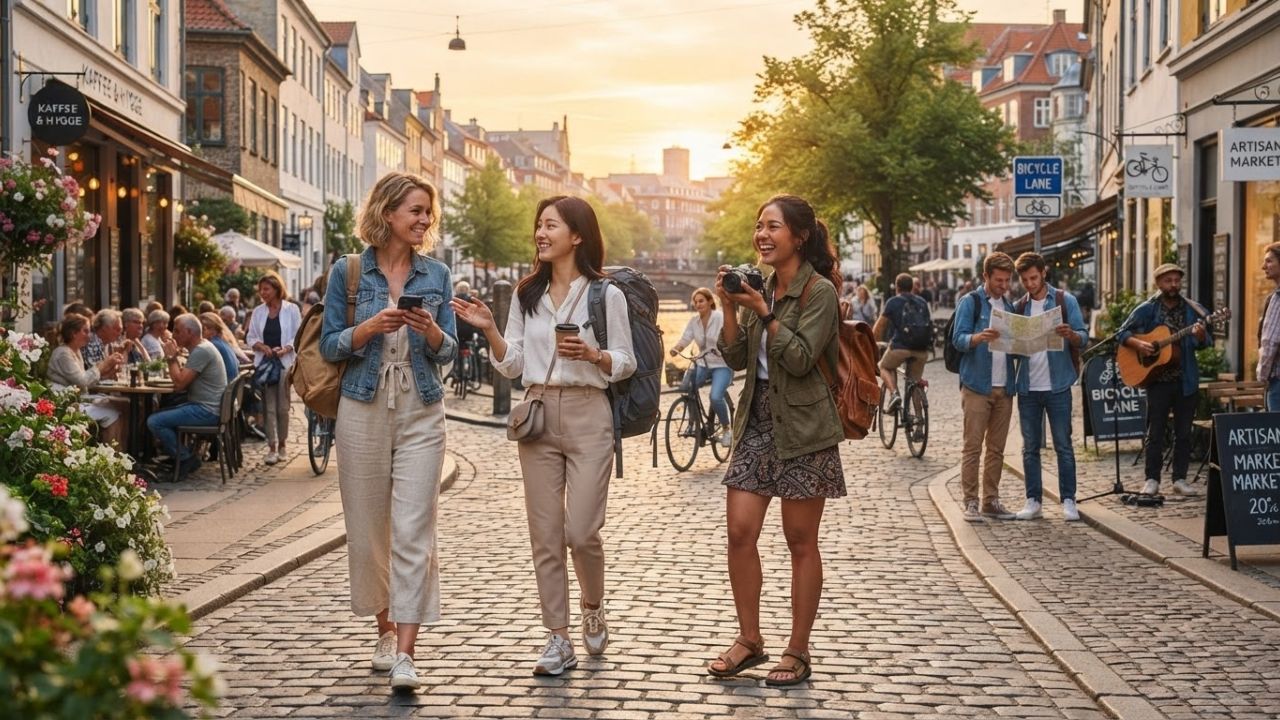
Image generated by AI
Solo travel has transitioned from a niche segment into a primary driver of global tourism growth in 2026. Destinations across Europe and Asia are reconfiguring their hospitality strategies to accommodate independent travelers who prioritize personal development and safety. According to regional tourism reports, the trend is reshaping visitor demographics, prompting hotels and tour operators to adapt their packages.
Rather than adhering to rigid group itineraries, modern travelers are opting for flexible paths that allow for deeper cultural immersion and self-reflection. This behavioral shift is encouraging the hospitality industry to move away from one-size-fits-all models, focusing instead on services that cater directly to individual autonomy.
Market Dynamics: Reshaping Tourism through Independent Travel Choices
Solo tourism has evolved into a mainstream market force as travelers seek complete control over their itineraries, budgets, and daily schedules.
This structural shift allows visitors to travel at their own pace without the need to coordinate with companions. To capture this segment, tourism operators are developing flexible booking options, single-occupancy rooms without high surcharges, and small-group activities designed to help independent travelers meet locals.
Security Priorities: Selecting Safe Destinations for Solo Exploration
Safety remains a primary factor shaping destination choice for travelers exploring alone in 2026.
Before booking, independent travelers are carefully evaluating local infrastructure, municipal security, healthcare accessibility, and public transport reliability. Consequently, destinations that offer easy navigation, reliable digital tools, and well-lit public zones are securing a competitive advantage in the global market.
Female solo travelers are driving a significant portion of this growth, selecting regions known for high safety standards, cultural inclusivity, and responsive tourist services. Municipalities are focusing on creating welcoming environments, including dedicated tourist assistance centers and verified accommodation networks.
Personal Development: Designing Transformative Travel Experiences
A key driver of the solo travel movement is the demand for experiences that support self-development and personal growth.
Many travelers view their journeys as opportunities to build self-reliance, learn new skills, and gain fresh perspectives away from daily routines. This shift is changing the design of travel packages, with growing interest in wellness retreats, nature-based stays, language schools, and volunteer tourism.
Destinations that offer structured, meaningful activities rather than simple sightseeing are attracting travelers seeking long-term personal transformation.
Digital Innovation: Enabling Confident Journeys with Travel Technology
The rapid expansion of travel technology has made independent exploration more accessible and secure.
Mobile mapping utilities, instant translation applications, online reservation portals, and digital payment systems have resolved many common challenges associated with navigating foreign destinations. These tools allow travelers to research and manage their trips independently, reducing anxiety during transit.
Additionally, online traveler forums and localized social networks enable solo adventurers to share real-time safety updates, coordinate meetups, and exchange advice, bridging the gap between independent exploration and community connection.
Demographic Shifts: Supporting Gen Z and Millennial Nomadic Lifestyles
Millennials and Gen Z are the primary demographics accelerating the growth of the independent travel sector.
These cohorts prioritize experiential travel, environmental sustainability, and cultural exchange over traditional resort packages. The rise of remote work and digital nomad visas has further enabled young professionals to combine work with long-term travel, extending their stays in individual destinations.
This trend is encouraging cities to develop co-living spaces, high-speed public workspaces, and weekly accommodation packages tailored to nomadic lifestyles.
Hospitality Adaptation: Creating Solo-Friendly Accommodation and Services
To remain competitive, travel boards and hospitality brands are actively updating their customer strategies.
- Public Transit Integration: Improving English signage and digital ticketing options to facilitate self-navigation.
- Flexible Lodging: Designing micro-hotels and boutique hostels that offer private cabins alongside shared social lounges.
- Solo-Centric Dining: Introducing communal tables and counter seating in restaurants to accommodate single diners comfortably.
- Community Events: Offering daily walking tours and cooking classes to help solo guests connect without the pressure of formal group packages.
Why This Matters (Information Gain & Experience)
For the traveler, the rise of solo travel means that destinations are becoming easier to navigate and more welcoming to single arrivals. Logistically, this shift is forcing hotels to re-evaluate the "single supplement" fee, making individual bookings more affordable.
From a planning perspective, travelers should utilize verified digital resources and government travel advisories to verify safety standards before departure. When booking solo trips, prioritize accommodations that offer communal spaces or group activities, as these environments provide a safe balance between independence and social connection.
Data Table
| Solo Travel Industry Trend | Traditional Group Travel Model | Evolving 2026 Independent Travel Model | Primary Destination Impact |
|---|---|---|---|
| Itinerary Planning | Fixed schedules, pre-booked tours | Fully flexible, self-paced pathways | Increased demand for flexible reservations |
| Travel Motivation | Sightseeing, ticking off landmarks | Introspective journeys, personal growth | Rise in wellness and cultural immersion packages |
| Safety Priority | Group security, tour leader guidance | Detailed destination screening, digital apps | Higher value placed on digital safety infrastructure |
| Demographic Drivers | Families, group holidaymakers | Millennials, Gen Z, remote digital nomads | Expansion of long-stay facilities and coworking spaces |
Key Takeaways
- Mainstream Shift: Solo travel has grown into a major tourism segment, driving destinations to update their infrastructure.
- Safety Focus: Destinations with reliable transport and digital services are favored by independent travelers.
- Growth Motivation: Travelers increasingly select wellness, educational, and nature escapes that support personal development.
- Tech Support: Translation, mapping, and payment apps have reduced the operational challenges of traveling alone.
- Nomad Economy: Gen Z and Millennials combine remote work with solo travel, driving demand for co-living options.
FAQ
Why is solo travel growing in 2026?
It is growing because travelers seek flexibility, complete control over their schedules, and opportunities for personal growth and self-reliance.
How are destinations adapting to solo travelers?
Destinations are improving public transit connectivity, developing solo-friendly lodging, and eliminating single-occupancy surcharges.
What role does technology play in independent travel?
Mobile apps for mapping, translation, and digital payments help solo travelers navigate unfamiliar regions safely and efficiently.
Who is driving the solo travel trend?
Millennials and Gen Z travelers, particularly remote workers and digital nomads, are the main drivers of the trend.
How does solo travel benefit local economies?
Independent travelers tend to stay longer and spend money directly at local guesthouses, neighborhood eateries, and community craft shops.
Related Travel Updates and Regional Guides
- Related: Porto Santo Complements Funchal With Luxair Luxembourg Flights, New Airport Terminal Tender and Integrated Buses to Support Sustainable Tourism
- Related: Ireland Tourism Growth Gathers Momentum as Spain, United States and Germany Drive Inbound Leisure Travel Across Five Months in 2026
- Related: Five Affordable Winter Sun Destinations Offering Competitive Travel Packages Outside of Europe for the 2026-2027 Season
Disclaimer
This article is for informational and educational purposes only. It does not constitute legal, financial, or professional advice. While we strive to provide accurate and up-to-date information, travel policies, regulations, and conditions change rapidly. Always verify information with official sources before making travel decisions. Nomad Lawyer makes no representations about the accuracy, reliability, completeness, or suitability of the information provided. Readers should consult qualified professionals for advice specific to their circumstances. The views expressed in this article are those of the author and do not necessarily reflect the views of Nomad Lawyer.
Kunal K Choudhary
Co-Founder & Contributor
A passionate traveller and tech enthusiast. Kunal contributes to the vision and growth of Nomad Lawyer, bringing fresh perspectives and driving the community forward.
Learn more about our team →