
São Paulo and Mexico City Stand Alongside Many Others as High-Value Tourism Reshapes Global City Travel
São Paulo and Mexico City Stand Alongside Many Others as High-Value Tourism Reshapes Global City Travel

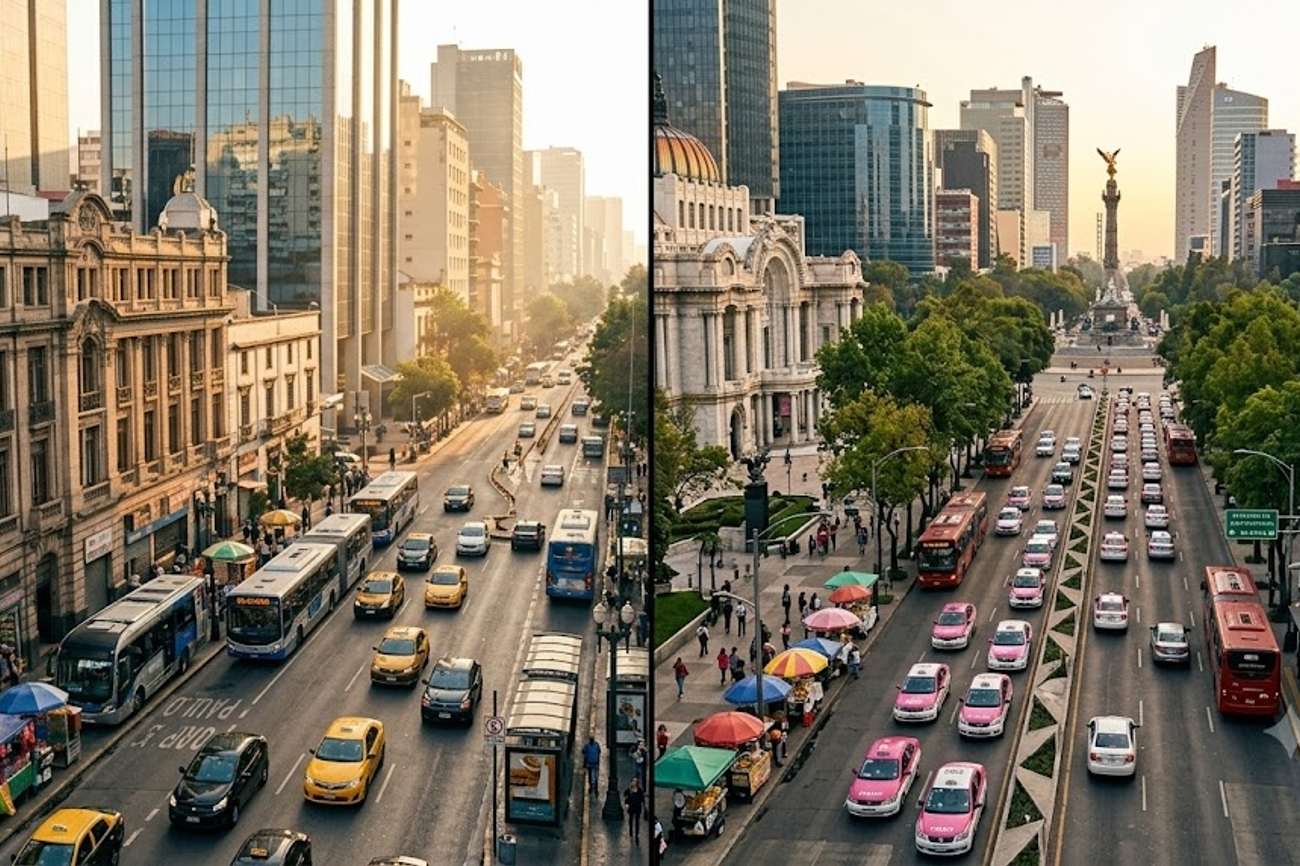
Image generated by AI
title: "High-Value Urbanism: The New Era of São Paulo, Mexico City, and Toronto" date: 2026-09-14 tags: [Sao Paulo Travel 2026, Mexico City Tourism, Toronto Urban Travel, Latin America High-Value Tourism]
While most cities chase raw visitor numbers, São Paulo is leveraging a sophisticated healthcare ecosystem to attract a high-spending class of medical tourists who bring entire families and extended budgets into the city. This shift marks a departure from traditional sightseeing, moving toward a "multi-purpose" visitor economy where a surgical procedure or a corporate conference serves as the anchor for a luxury lifestyle experience.
The Shift Toward High-Value Urbanism
We are witnessing a fundamental pivot in how global hubs like São Paulo, Mexico City, and Toronto define success. The era of counting heads is ending; the era of counting spending intensity has arrived. Instead of focusing on the sheer volume of arrivals, these cities are now courting the "high-value" traveler—individuals who blend business, luxury leisure, and specialized services into a single, extended stay.
In 2025, the scale of this movement became clear. São Paulo saw 47.2 million tourist visits, including 2.5 million international arrivals, generating R$25.4 billion in revenue. Mexico City recorded 15.6 million tourists, fueling MXN159 billion in economic activity. Meanwhile, Toronto welcomed 28.2 million visitors who spent US$9.1 billion. These aren't just statistics; they represent a strategy to convert a single-purpose trip (like a business meeting) into a multi-layered economic event involving high-end dining, gallery hopping, and luxury retail.
What Makes These Hubs Different
Each city is carving out a distinct identity to attract this affluent demographic, moving beyond the generic "big city" appeal.
São Paulo has transformed itself into a powerhouse of versatility. It is no longer just the financial heart of Brazil; it is a destination for medical excellence and massive cultural events. By hosting the 36th Bienal, the São Paulo Open, the Coala Festival, and an NFL game, the city creates "spending chains." A visitor doesn't just buy a ticket to a game; they book a luxury suite, dine at world-class restaurants, and shop in the city's high-end districts. The momentum has carried into 2026, with 25.4 million tourists recorded in the first half of the year alone—a 13.3% increase year-on-year—and airport traffic hitting 41.5 million passengers in that same window.
Mexico City leverages an almost overwhelming density of cultural assets. For the high-value traveler, the city offers a seamless transition from corporate boardrooms to the historic architecture of the center. This "cultural commercialism" is reflected in the hotel market, where occupancy hit 67.9% in 2025. The city is seeing a surge in hyper-specific luxury developments, such as the 34-room Kimpton El Castelar in Polanco (opened July 2026) and the upcoming 184-room InterContinental Presidente Mexico City Miyana in Nuevo Polanco. These properties are strategically placed to act as bridges between corporate offices and the city's elite museums and shopping.
Toronto positions itself as the ultimate connector. With 47.3 million passengers passing through its airport system, the city blends global connectivity with an affluent urban leisure scene. Its strength lies in the ability to attract the international business elite and convince them to extend their stay through a sophisticated mix of entertainment and high-end hospitality.
Visitor Insider Tips
To experience these cities through a local lens rather than a tourist map, you have to understand the rhythms of the "high-value" districts.
São Paulo: Beyond the Avenida Paulista Avoid the mid-day rush on Paulista if you want to actually enjoy the city. Instead, base yourself in Jardins for the best access to luxury retail and gastronomy. If you are visiting for a major event like The Town or the Bienal, book your transport in advance via reputable apps; the city's traffic is legendary and can swallow your entire afternoon. For a truly local experience, seek out the "gastrobars" in Pinheiros, where the creative class spends their evenings.
Mexico City: The Polanco Pivot While the Zócalo is essential, the real pulse of high-value tourism is in Polanco and Nuevo Polanco. To avoid the crowds at the major museums, visit on weekday mornings. When dining, remember that the city's culinary scene is bifurcated: the street tacos are world-class, but the high-end dining in Polanco requires reservations weeks in advance. Use the Mexico City Tourism Board for updated event calendars, but rely on local concierges for the most exclusive gallery openings.
Toronto: The Connectivity Hack Toronto is a city of neighborhoods. To avoid the tourist traps of the CN Tower area, spend your time in the Distillery District or the West End. Use the Toronto Transit Commission (TTC) for shorter hops, but for high-value efficiency, pre-arranged black car services are the norm for business travelers moving between the financial district and the airport.
Cultural and Environmental Context
The pursuit of "high-value" tourism is a double-edged sword. On one hand, focusing on spending over volume reduces the physical strain on urban infrastructure—fewer people spending more money is generally more sustainable than masses of budget travelers overwhelming public spaces. In Mexico City, where tourism contributes roughly 10% of the city's GDP, this shift helps fund the preservation of historic sites and UNESCO World Heritage landmarks.
However, this trend risks creating "luxury bubbles." When hotels like the InterContinental Presidente focus heavily on Nuevo Polanco, it can accelerate gentrification, pushing local residents out of the very neighborhoods that provide the "authentic" culture the tourists are paying to see. In São Paulo, the rise of medical tourism creates a sophisticated private healthcare tier that exists parallel to the public system, highlighting the socio-economic divides of the city. The challenge for these metropolises is ensuring that the R$25.4 billion or MXN159 billion in revenue trickles down to the street-level vendors and local artisans, not just the luxury hotel chains.
FAQ: Visiting These Hubs 2026
What is the best time to visit São Paulo? The first half of the year is generally strong for events, but avoid the peak of the rainy season in January. For those following the arts, the Bienal schedule is the primary driver for visits.
Do I need a visa for Mexico City? Requirements vary by nationality. Most Western travelers enter on a tourist permit, but always check the official consulate website of Mexico for the most current 2026 regulations before booking.
How do I get from Toronto Pearson Airport to the city center? The UP Express is the fastest and most reliable method for solo travelers, while pre-booked private transfers are preferred for those with significant luggage or corporate requirements.
Is it safe for solo travelers in these cities? Yes, provided you stay in well-traveled districts like Polanco (CDMX), Jardins (São Paulo), or the Entertainment District (Toronto). Use ride-sharing apps rather than hailing cabs on the street late at night.
The modern city is no longer a place to simply visit, but a curated ecosystem of luxury, health, and commerce.
Related Travel Guides
- National Geographic and G Adventures Transform Peru, Thailand, Galápagos and Europe Travel With 30 New Immersive Journeys for 2027
- Indonesia Changes Its Travel Booking Landscape in Cities Including Bali, Jakarta and More
- Dubai Airport Immigration Upgrade Transforms Travel As Smart Gates Deliver Faster Passport Control For Visitors
Disclaimer
This article is for informational and educational purposes only. It does not constitute legal, financial, or professional advice. While we strive to provide accurate and up-to-date information, travel policies, regulations, and conditions change rapidly. Always verify information with official sources before making travel decisions. Nomad Lawyer makes no representations about the accuracy, reliability, completeness, or suitability of the information provided. Readers should consult qualified professionals for advice specific to their circumstances. The views expressed in this article are those of the author and do not necessarily reflect the views of Nomad Lawyer.
Kunal K Choudhary
Co-Founder & Contributor
A passionate traveller and tech enthusiast. Kunal contributes to the vision and growth of Nomad Lawyer, bringing fresh perspectives and driving the community forward.
Learn more about our team →