
National Geographic and G Adventures Transform Peru, Thailand, Galápagos and Europe Travel With 30 New Immersive Journeys for 2027
National Geographic and G Adventures Transform Peru, Thailand, Galápagos and Europe Travel With 30 New Immersive Journeys for 2027

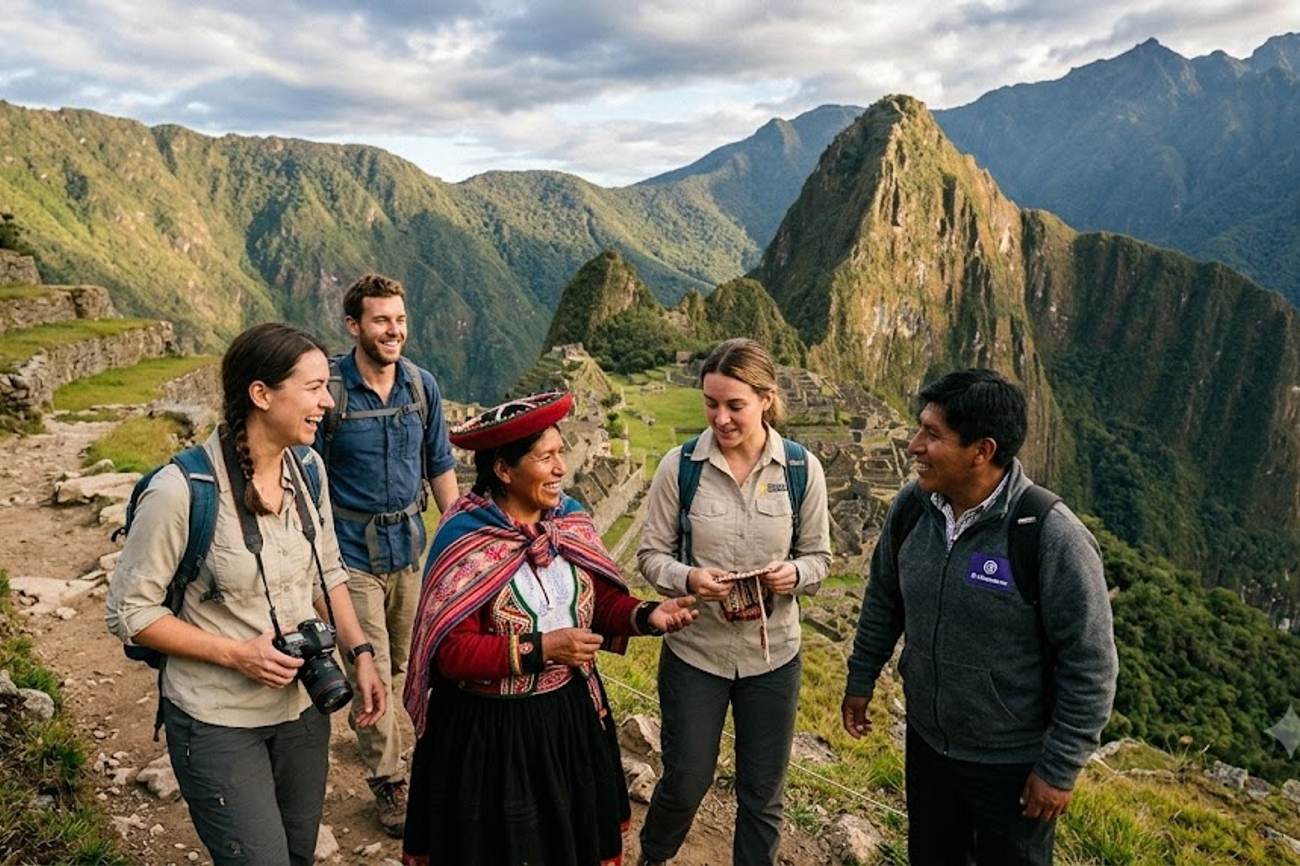
Image generated by AI
The shift from mass tourism to "meaningful travel" is no longer theoretical; it is now a primary driver of product development for the 2027-2028 cycle. While traditional sightseeing once dominated the luxury and adventure sectors, the recent announcement of 30 new immersive journeys by National Geographic and G Adventures signals a strategic pivot toward high-engagement, low-impact tourism. This movement aligns with broader data from the World Tourism Organization (UNWTO), which indicates a growing global preference for sustainable, community-based travel over conventional "bucket list" itineraries.
The Immersive Pivot in Numbers
The scale of the National Geographic and G Adventures expansion provides a clear window into where the industry is placing its bets for the 2027 and 2028 seasons. The companies have launched a total of 30 new or reimagined offerings. This is split into 24 new National Geographic Journeys and six upgraded National Geographic Family Journeys.
The data suggests a move toward tighter capacity and higher specialization. The standard National Geographic Journeys are capped at 16 travelers per group. For the Family Journeys—which are specifically designed for children aged seven and above—the capacity is slightly higher, with a maximum of 22 travelers. This small-group architecture is a direct response to the "overtourism" crisis affecting global hotspots. By limiting group sizes, operators can access local communities and fragile ecosystems that are now closed or restricted to larger tour groups.
The itinerary durations also reveal a trend toward "concentrated immersion." The new offerings in the Galápagos Islands, Northern Thailand, the Loire Valley/Bordeaux region, and the Central European Christmas Markets are all structured as eight-day journeys. This suggests a market preference for high-density, expert-led experiences that fit within a standard vacation window but provide deeper intellectual engagement than a traditional tour.
Comparative Context: High-Impact vs. High-Engagement
The transition from traditional sightseeing to immersive exploration represents a fundamental shift in the competitive landscape of the adventure travel market. Historically, travel to regions like Peru or Southeast Asia focused on "monumentalism"—visiting the most famous site (e.g., Machu Picchu or the Grand Palace) and moving on. The new model prioritizes "relational tourism," where the value is derived from the expert accompanying the traveler.
The current strategy focuses on four primary pillars of engagement: Buddhist scholars in Thailand, wine historians in France, conservation leaders in the Galápagos, and local home chefs in Central Europe. This shift is reflected in the following comparison of travel models:
| Metric | Traditional Sightseeing Model | Immersive/Community Model (2027+) |
|---|---|---|
| Group Size | Large (30-50+ passengers) | Small (16-22 passengers) |
| Primary Value | Site Access/Checklist | Expert Access/Context |
| Economic Flow | Large Hotel Chains/Global Operators | Local Artisans/Community-Based Businesses |
| Itinerary Focus | Famous Landmarks | Hidden Traditions/Conservation |
| Family Approach | General-purpose activities | Age-specific (7+) educational design |
This shift mirrors data trends reported by Statista regarding the rise of "experiential travel," where consumers are increasingly willing to pay a premium for authenticity and educational value over luxury amenities. The introduction of the "Dual Expedition Leaders" model for family journeys further indicates that the industry is solving for the "parental friction" point—ensuring that children are engaged by a specialist while adults receive the high-level intellectual discourse they expect from a National Geographic experience.
What This Means for Travelers
For the individual traveler, these developments indicate that the window for "easy" mass-market access to world-heritage sites is closing. As operators like G Adventures move toward smaller, community-centered models, the way you plan your 2027-2028 travel must change.
If you are planning a visit to the Galápagos Islands or Peru’s Sacred Valley, booking through small-group, conservation-focused operators is now the most viable way to ensure access. Because these regions face severe visitor management challenges, "walk-in" or large-group tourism is increasingly restricted. To secure a spot on a 16-person expedition, booking 12-18 months in advance is becoming the new standard for these specialized itineraries.
Furthermore, travelers should expect a shift in cost structures. Small-group travel with dual expedition leaders and private access (such as the private entry to Château de Chenonceau) carries a higher per-person price point than mass-market tours. However, the data suggests this is offset by a higher "value-per-hour" of engagement. For families, the 7+ age requirement for these journeys means that the "family vacation" is being rebranded as a "family expedition," requiring a shift in mindset from relaxation to active learning.
Projection: The Future of Educational Tourism
Based on the trajectory of the National Geographic and G Adventures partnership, we can project that "educational certification" will become a competitive advantage for travel brands. We are moving toward a period where the guide is no longer a facilitator of logistics, but a subject-matter expert.
We expect to see a proliferation of "niche-expert" itineraries. The current focus on wine historians and Buddhist scholars is likely the first wave. The next iteration will likely include deeper dives into climate science, urban sociology, and indigenous linguistics. As the International Air Transport Association (IATA) continues to track the recovery and growth of long-haul travel, the demand for these high-value, low-volume journeys will likely outpace the growth of standard leisure travel.
The "Dual Leader" model will also likely migrate from family journeys to general adult journeys, allowing for "split-interest" groups where one leader focuses on the technical/scientific aspects of a destination and another focuses on the cultural/historical aspects. This allows operators to capture a wider demographic within a single small group.
FAQ: Immersive Travel Trends 2027
Will these immersive journeys be more expensive than standard tours? Yes. The shift to smaller group sizes (16-22 people) and the inclusion of specialized experts (historians, conservationists) increases operational costs per passenger compared to large-scale mass tourism.
Is 2027 a good time to book the Galápagos or Peru? Yes, but only if using low-impact, small-group operators. These regions are implementing stricter visitor caps, making pre-planned, sustainable itineraries the only reliable way to guarantee entry.
Which airlines are expanding to support these niche routes? While specific carriers weren't named, the focus on Northern Thailand, France, and Central Europe suggests a continued reliance on hubs like Bangkok, Paris, and Prague, where capacity is expanding to meet experiential demand.
Are these family journeys suitable for very young children? No. The National Geographic Family Journeys are specifically designed for children aged seven and above to ensure the educational content and activity levels are age-appropriate.
The era of the tourist is ending; the era of the student-traveler has arrived.
#PeruTourism2027 #GalapagosConservationData #GAdventuresGrowth #ExperientialTravelMetrics #ThailandCulturalTourism #NationalGeographicExpeditions
Related Travel Guides
- Indonesia Changes Its Travel Booking Landscape in Cities Including Bali, Jakarta and More
- Dubai Airport Immigration Upgrade Transforms Travel As Smart Gates Deliver Faster Passport Control For Visitors
- South Africa Joins Kenya And More Countries In Rapid ETA Travel Shift As Nations Modernise Visa Systems
Disclaimer
This article is for informational and educational purposes only. It does not constitute legal, financial, or professional advice. While we strive to provide accurate and up-to-date information, travel policies, regulations, and conditions change rapidly. Always verify information with official sources before making travel decisions. Nomad Lawyer makes no representations about the accuracy, reliability, completeness, or suitability of the information provided. Readers should consult qualified professionals for advice specific to their circumstances. The views expressed in this article are those of the author and do not necessarily reflect the views of Nomad Lawyer.
Preeti Gunjan
Contributor & Community Manager
A passionate traveller and community builder. Preeti helps grow the Nomad Lawyer community, fostering engagement and bringing the reader experience to life.
Learn more about our team →