
Indonesia Changes Its Travel Booking Landscape in Cities Including Bali, Jakarta and More
Indonesia Changes Its Travel Booking Landscape in Cities Including Bali, Jakarta and More

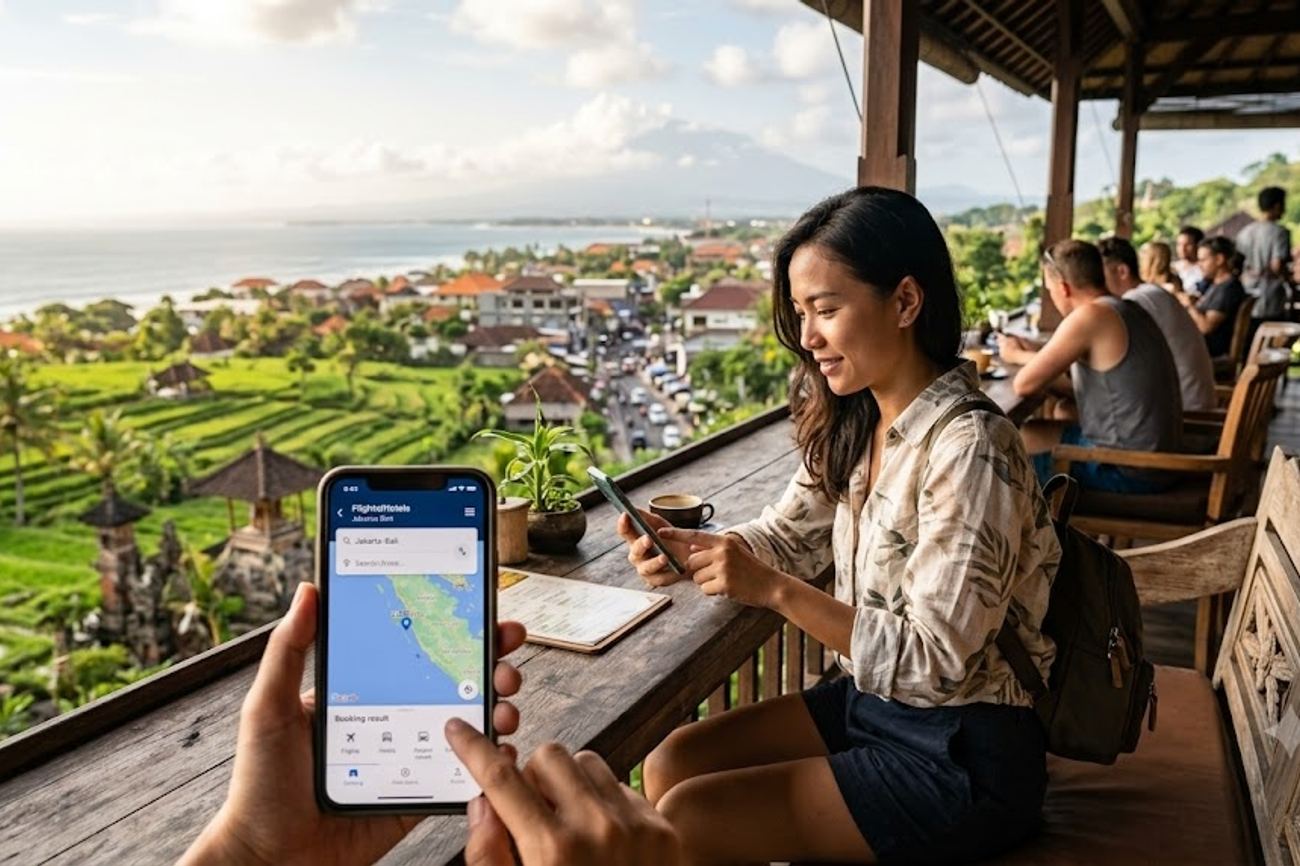
Image generated by AI
2026 marks a definitive pivot in Indonesian tourism as the nation transitions from legacy travel agency models to a fully integrated digital booking ecosystem. This shift is not merely a change in software but a fundamental restructuring of how global travelers interact with the archipelago’s diverse geography, from the corporate hubs of Jakarta to the remote marine corridors of Labuan Bajo. The acceleration is driven by a surge in smartphone penetration and a consumer demand for "experience-first" itineraries, where the activity—rather than the hotel—dictates the booking flow.
The Digital Migration of the Archipelago
The traditional travel agent, once the sole gatekeeper to Indonesia's complex logistics, is being displaced by a decentralized network of Online Travel Agencies (OTAs) and direct-to-consumer digital interfaces. This transition is most acute in high-traffic zones like Bali and Jakarta, but it is now penetrating the "frontier" destinations of the East. The movement is underpinned by the rise of domestic giants like Traveloka, which has evolved from a simple flight aggregator into a comprehensive travel super-app, alongside global players such as Agoda and Airbnb.
For the modern traveler, the "booking landscape" now encompasses a seamless chain of digital touchpoints. In cities like Bandung and Yogyakarta, this manifests as the bundling of culinary and heritage experiences into single digital packages. In the Nusa Islands and Bali Selatan, the trend has shifted toward hyper-personalized, activity-led reservations, where snorkeling and eco-tourism permits are secured via mobile apps long before the traveler touches down at Ngurah Rai International Airport.
Regional Digital Transformation Metrics
The following data outlines the specific shifts occurring across Indonesia's primary tourism nodes as of September 2026:
| Indonesian City/Region | Primary Booking Shift | Dominant Digital Drivers | Market Impact |
|---|---|---|---|
| Bali (Denpasar, Ubud, Badung) | Agent $\rightarrow$ Online Villa/Experience | Digital Nomads, Wellness Tourism | Shift to experience-based booking (Retreats/Cultural Tours) |
| Jakarta | Corporate/Urban Digital Integration | MICE Sector, Airport Connectivity | Centralized digital management of flights and transport |
| Labuan Bajo | Traditional Tour $\rightarrow$ Online Cruise | Komodo National Park Demand | Direct booking of boats, diving, and marine excursions |
| Lombok | Resort & Nature Reservations | Mandalika Development, Surf Tourism | Growth in pre-booked adventure and leisure packages |
| Yogyakarta | Cultural Ticket Digitization | Borobudur Heritage Tourism | Transition to curated, digital cultural itineraries |
| Bandung | Lifestyle & Weekend Bundling | Jakarta Proximity, Culinary Tourism | Integrated hotel, restaurant, and activity packages |
| Surabaya | Regional Hub Digitization | Industrial Tourism, East Java Gateway | Enhanced digital connectivity for regional transit |
| Batam | Short-Trip Digitalization | Singapore Proximity, Ferry Links | Rapid online searches for affordable regional escapes |
| Makassar | Domestic/Regional Expansion | Sulawesi Gateway, Marine Tourism | Increased digital exploration of Eastern Indonesia |
| Bali Selatan & Nusa Islands | Personalized Experience Booking | Eco-tourism, Luxury Diving | "Activity-first" trip planning over destination-only stays |
Expert Analysis: The "Experience-First" Economic Shift
The data reveals a critical psychological shift in the traveler's journey: the decoupling of accommodation from the primary purpose of the trip. Historically, a traveler would book a hotel in Bali and then find activities upon arrival. In 2026, the inverse is true. Travelers are now securing high-value experiences—such as a private cruise in Labuan Bajo or a specific wellness retreat in Ubud—and selecting accommodation that supports that specific activity.
For travelers booking these routes, the direct consequence is a significant increase in price transparency and a decrease in "on-the-ground" negotiation. The reliance on International Air Transport Association (IATA) standards for digital ticketing and the integration of cashless payment systems have removed the friction that previously made traditional agents necessary for navigating Indonesia's fragmented local operators.
The pricing pressure this creates means that local boutique operators who fail to integrate with OTAs or maintain direct booking engines are becoming invisible to the international market. Conversely, the "Mandalika effect" in Lombok shows that government-led infrastructure development, combined with digital visibility, can rapidly scale a destination's international appeal. By shifting to digital platforms, Indonesia is effectively reducing the "barrier to entry" for remote regions, allowing a diver in London to book a specific boat in East Nusa Tenggara without a middleman. This democratization of access is likely to drive higher luxury spends in previously overlooked provinces.
Key Takeaways
- Experience-First Planning: Travelers are now prioritizing the booking of activities (diving, cultural tours, retreats) over hotel rooms, fundamentally altering the tourism value chain.
- Decentralization of Access: Digital platforms have broken the monopoly of traditional tour operators in remote areas like Labuan Bajo and Lombok, allowing for direct-to-operator bookings.
- Corporate Integration: Jakarta has evolved into a digitally managed gateway where MICE (Meetings, Incentives, Conferences, and Exhibitions) travel is now almost entirely handled via corporate booking systems and airline apps.
- Regional Specialization: Different cities are digitizing different niches: Bandung focuses on lifestyle/culinary bundles, while Yogyakarta emphasizes heritage and ticketed attraction access.
- Infrastructure Synergy: The growth of digital booking is closely tied to physical developments, such as the Mandalika project in Lombok and improved airport connectivity in Surabaya.
FAQ: Indonesia Travel Booking 2026
Do I still need a traditional travel agent for trips to remote Indonesian islands? No. Most cruises in Labuan Bajo and resorts in Lombok now offer direct online booking or are available via major OTAs, removing the need for third-party intermediaries for logistics.
Which apps are most effective for booking local Indonesian experiences? Traveloka remains the dominant local ecosystem for flights and hotels, while Agoda and Airbnb are widely used for villas. For specific activities, experience-based marketplaces and direct operator websites are now the standard.
Is cashless payment widely accepted for digital bookings in Indonesia? Yes. The shift toward digital booking has been mirrored by a surge in digital payment adoption, making cashless transactions the preferred method for confirmations and deposits across most tourist hubs.
How has the booking process changed for visiting Borobudur or other heritage sites? In Yogyakarta, there is a strong shift toward pre-purchasing attraction tickets and curated cultural itineraries online to avoid queues and ensure entry to regulated heritage sites.
The digital map of Indonesia is being redrawn, moving the power from the agent's desk to the traveler's palm.
Tags: Traveloka, Komodo National Park, Mandalika 2026, Indonesia Digital Tourism, Labuan Bajo Cruise Bookings, Bali Wellness Tourism
Related Travel Guides
- Dubai Airport Immigration Upgrade Transforms Travel As Smart Gates Deliver Faster Passport Control For Visitors
- South Africa Joins Kenya And More Countries In Rapid ETA Travel Shift As Nations Modernise Visa Systems
- Kazakhstan Tourism Set For Digital Transformation Through BRICS AI Partnership And Global Connectivity Push
Disclaimer
This article is for informational and educational purposes only. It does not constitute legal, financial, or professional advice. While we strive to provide accurate and up-to-date information, travel policies, regulations, and conditions change rapidly. Always verify information with official sources before making travel decisions. Nomad Lawyer makes no representations about the accuracy, reliability, completeness, or suitability of the information provided. Readers should consult qualified professionals for advice specific to their circumstances. The views expressed in this article are those of the author and do not necessarily reflect the views of Nomad Lawyer.
Preeti Gunjan
Contributor & Community Manager
A passionate traveller and community builder. Preeti helps grow the Nomad Lawyer community, fostering engagement and bringing the reader experience to life.
Learn more about our team →