Budget Carriers Expand Nonstop Routes from Small US Airports to Florida and Las Vegas in 2026

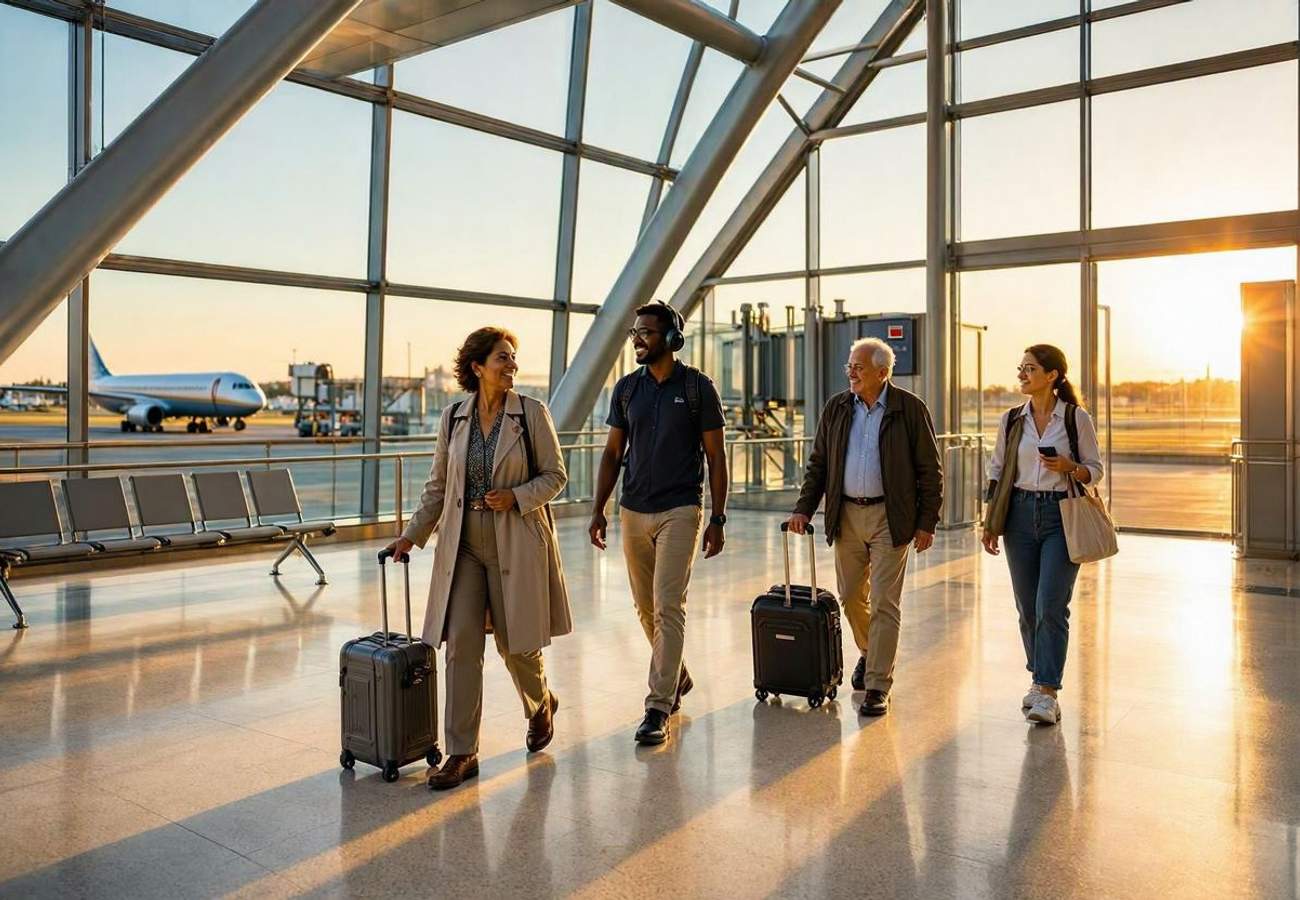
Image generated by AI
Security wait times at regional US airfields have plummeted to under 10 minutes, a stark contrast to the 30-minute peak delays common at major hubs. This shift is the primary driver behind a massive 2026 industry movement where budget carriers are abandoning the traditional hub-and-spoke model in favor of point-to-point networks connecting secondary cities directly to leisure hotspots.
The Shift to Point-to-Point Logistics
The aviation market in 2026 is seeing an aggressive pivot toward "Skip the Hub" strategies. By utilizing smaller regional airfields, carriers are eliminating the need for passengers in mid-size metros to endure long commutes to congested gateways like Dallas/Fort Worth (DFW) or Atlanta (ATL). The data indicates that this is not merely a convenience play but an operational efficiency move.
Regional airports are now offering parking rates between $8 and $15 per day, significantly lower than the premium pricing at international gateways. Furthermore, the physical layout of these airports—where check-in counters are often less than 100 yards from the gates—has reduced the "curb-to-gate" transition time to under 15 minutes in several markets. According to IATA, the optimization of secondary airports can significantly reduce overall system congestion and lower operational costs for low-cost carriers (LCCs).
Regional Market Comparison: Hubs vs. Secondary Gateways
The following table illustrates the operational advantages currently seen in the secondary airport market compared to traditional major hubs.
| Metric | Major Hubs (e.g., DFW, LAX, ATL) | Regional Gateways (2026) | Impact on Traveler |
|---|---|---|---|
| Avg. Security Wait | 30+ Minutes (Peak) | Under 10 Minutes | Reduced stress, shorter arrival window |
| Daily Parking Cost | Premium / Multi-story | $8 - $15 | Lower total trip cost |
| Terminal Transit | Long walks / Shuttles | < 100 Yards to Gate | Faster boarding process |
| Entry Fare (One-Way) | Market Variable | $27 - $49 (Introductory) | Increased accessibility for families |
Strategic Expansion by City and Carrier
The 2026 expansion is led by carriers like Breeze Airways and Avelo Airlines, who are targeting underserved markets with high leisure demand.
- Texas Corridor: McKinney National Airport is serving as a pressure valve for North Dallas. Avelo Airlines is launching nonstop service to Las Vegas on November 12, 2026, alongside several Florida routes, allowing residents of Plano and Frisco to avoid 60-minute drives to DFW.
- Northeast Corridor: Trenton-Mercer Airport (NJ) has become a shortcut for the I-95 corridor. In June 2026, Breeze Airways added four direct routes, including nonstops to Charleston and Vero Beach. Similarly, Atlantic City International is leveraging Allegiant Air and Breeze to connect South Jersey directly to Fort Myers and Orlando.
- Ohio Markets: Akron-Canton Airport and Dayton International have transitioned into specialized point-to-point hubs. Akron-Canton now offers one-way tickets to Orlando and Las Vegas starting at $27 to $49.
- Maryland and California: Salisbury-Ocean City Wicomico Regional has moved from turboprop feeder flights to nonstop jets to Florida. In the West, Hollywood Burbank Airport continues to outperform LAX in efficiency, offering flight times to Las Vegas of under 60 minutes.
What This Means for Travelers
For those planning leisure travel in late 2026, the data suggests a shift in booking behavior. If you live within 60 miles of a regional airport, checking LCC schedules before searching major hubs can result in significant savings and time recovery.
- Booking Windows: Because these regional routes often operate with lower frequency than hub routes, booking 6-8 weeks in advance is recommended to secure the $27-$49 introductory fares.
- Logistics: Travelers can reduce their airport arrival window from the traditional 3 hours to approximately 90 minutes due to the shorter security and terminal transit times.
- Cost Analysis: When calculating the total cost of a trip, factor in the $8-$15 regional parking rates versus the $30+ typically found at major international airports.
Future Trajectory of Secondary Aviation
The trajectory indicates a continued decline in the dominance of legacy hubs for leisure travel. As budget carriers integrate more sophisticated network analysis—similar to the data provided by OAG—we can expect a further proliferation of these "micro-hubs." The trend suggests that by 2027, more mid-sized cities will see the introduction of nonstop seasonal flights to sun-belt destinations, further eroding the market share of legacy carriers like Delta and United in the leisure segment.
FAQ: Regional Nonstop Travel 2026
Will ticket prices stay low at regional airports? Introductory fares are currently between $27 and $49. While these may rise as demand stabilizes, the lower overhead of regional airports typically keeps base fares below those of major hubs.
Is it better to fly from a regional airport than a major hub? Yes, for leisure travel. Data shows security waits under 10 minutes and parking costs as low as $8, compared to significantly higher times and costs at hubs.
Which airlines are expanding these routes? Breeze Airways and Avelo Airlines are the primary drivers of this expansion, specifically targeting Florida and Las Vegas from secondary US cities.
The era of the mandatory hub connection is ending as regional efficiency becomes the new gold standard for the American leisure traveler.
Related Travel Guides
This article is for informational purposes. Flight routes, passenger regulations, visa rules, and transit advisories are subject to change by airlines and aviation authorities. Readers are advised to verify schedules and travel documentation with relevant carriers and border agencies before departure.
Related Stories
Avelo Airlines Expands Florida Network with Six Nonstop Routes to North Dallas, Charlotte, and Puerto Rico
India Launches International Digi Yatra Biometric Trials at 7 Major Airports for 2027 Expansion