
Slovakia Tourism Hits Record Highs in 2026 With Over 3 Million Guests in First Six Months
Slovakia's tourism sector has surpassed pre-pandemic levels, recording over 3 million guests in the first half of 2026, driven by a surge in High Tatras mountain travel and Bratislava city breaks.

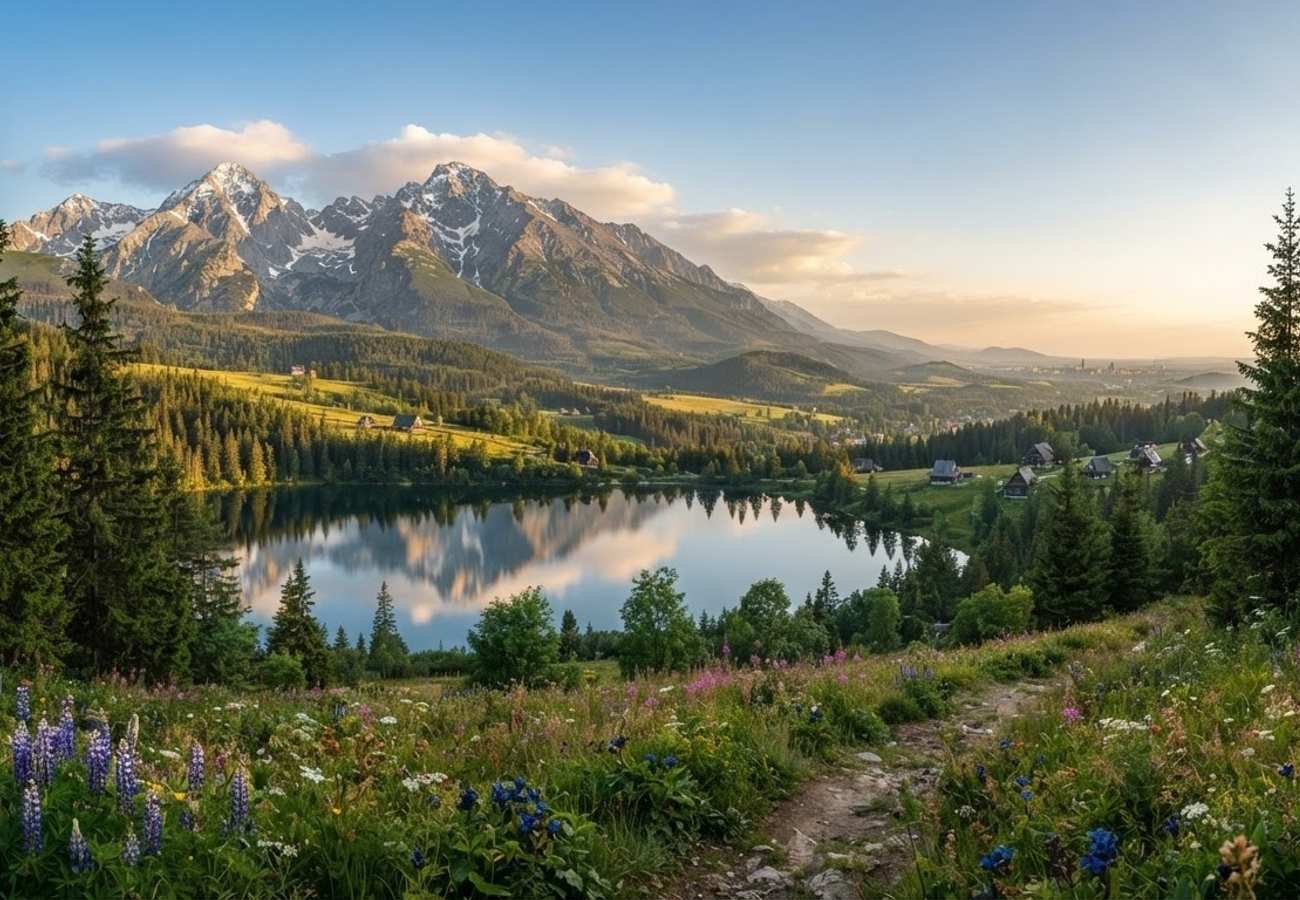
Image generated by AI
Slovakia has officially surpassed pre-pandemic tourism benchmarks, with the Statistical Office of the Slovak Republic reporting over 3 million guests in domestic accommodations during the first six months of 2026.
This represents an 8% increase compared to the same period in 2025, signaling a robust recovery and expansion of the Central European destination's appeal. The growth is not centralized in a single hub but is distributed across urban centers and alpine regions.
Regional Growth Drivers
The surge in visitor numbers is primarily fueled by two distinct travel patterns: high-volume nature tourism in the north and concentrated international arrivals in the capital.
The Žilina Region and Prešov Region have recorded the highest overall overnight volumes. This is attributed to the sustained popularity of the Low Tatras, Mala Fatra, and High Tatras. These areas attract a mix of hikers, cyclists, and winter sports enthusiasts, while the integration of wellness facilities has helped the regions maintain demand outside of peak summer months.
Conversely, the Bratislava Region serves as the primary gateway for global travelers. Despite the mountains leading in total overnight stays, the capital city captures the lion's share of the international market.
International Market Share and Demographics
Slovakia's tourism profile remains heavily influenced by its immediate neighbors, though it maintains a diversified feeder base.
- Czech Republic: The dominant source market, accounting for approximately 27% of all foreign guests.
- Poland: The second-largest market at approximately 17%, with a strong preference for the High Tatras.
- Secondary Markets: Germany, Austria, and Hungary continue to provide steady demand, particularly for the Bratislava region.
Tourism Performance Metrics (H1 2026)
| Metric | Data Point |
|---|---|
| Total Guests (H1) | 3 Million+ |
| Year-on-Year Growth | 8% |
| Intl. Stays in Bratislava | 63% of all foreign guests |
| Czech Market Share | ~27% |
| Polish Market Share | ~17% |
| Primary Nature Hubs | High Tatras, Low Tatras, Mala Fatra |
Why This Matters: Industry Analysis
From a logistical and market perspective, Slovakia's current trajectory indicates a shift toward "hybrid itineraries." We are seeing a trend where international visitors use Bratislava as a low-friction entry point—leveraging its proximity to Austria and Hungary—before migrating north to the Žilina and Prešov regions.
For travel operators, the real impact is the diversification of the "seasonal" model. By combining wellness stays with outdoor adventure in the Low Tatras and Mala Fatra, Slovakia is successfully mitigating the traditional volatility of alpine tourism. The fact that guest numbers have now exceeded pre-pandemic levels suggests that Slovakia is no longer just a "budget alternative" to the Swiss or Austrian Alps, but a primary destination in its own right.
Our analysis suggests that the heavy reliance on the Czech and Polish markets (totaling roughly 44% of foreign guests) presents both a strength and a vulnerability. While proximity ensures steady volume, further growth will depend on increasing the share of long-haul travelers from outside the EU.
Forward Outlook
Expect an increase in integrated travel packages that link Bratislava's urban culture with the High Tatras' nature assets. As the Prešov and Žilina regions continue to scale their infrastructure, the pressure on Bratislava to act as the sole international gateway will likely ease, potentially leading to more direct regional transit options.
Slovakia has transitioned from a hidden gem to a record-breaking Central European powerhouse.
Related Travel Guides
Disclaimer
This article is for informational and educational purposes only. It does not constitute legal, financial, or professional advice. While we strive to provide accurate and up-to-date information, travel policies, regulations, and conditions change rapidly. Always verify information with official sources before making travel decisions. Nomad Lawyer makes no representations about the accuracy, reliability, completeness, or suitability of the information provided. Readers should consult qualified professionals for advice specific to their circumstances. The views expressed in this article are those of the author and do not necessarily reflect the views of Nomad Lawyer.
Kunal K Choudhary
Co-Founder & Contributor
A passionate traveller and tech enthusiast. Kunal contributes to the vision and growth of Nomad Lawyer, bringing fresh perspectives and driving the community forward.
Learn more about our team →