Singapore Joins Malaysia as Formula 1 Events Transform Southeast Asia Tourism With Global Visitors and New Travel Routes

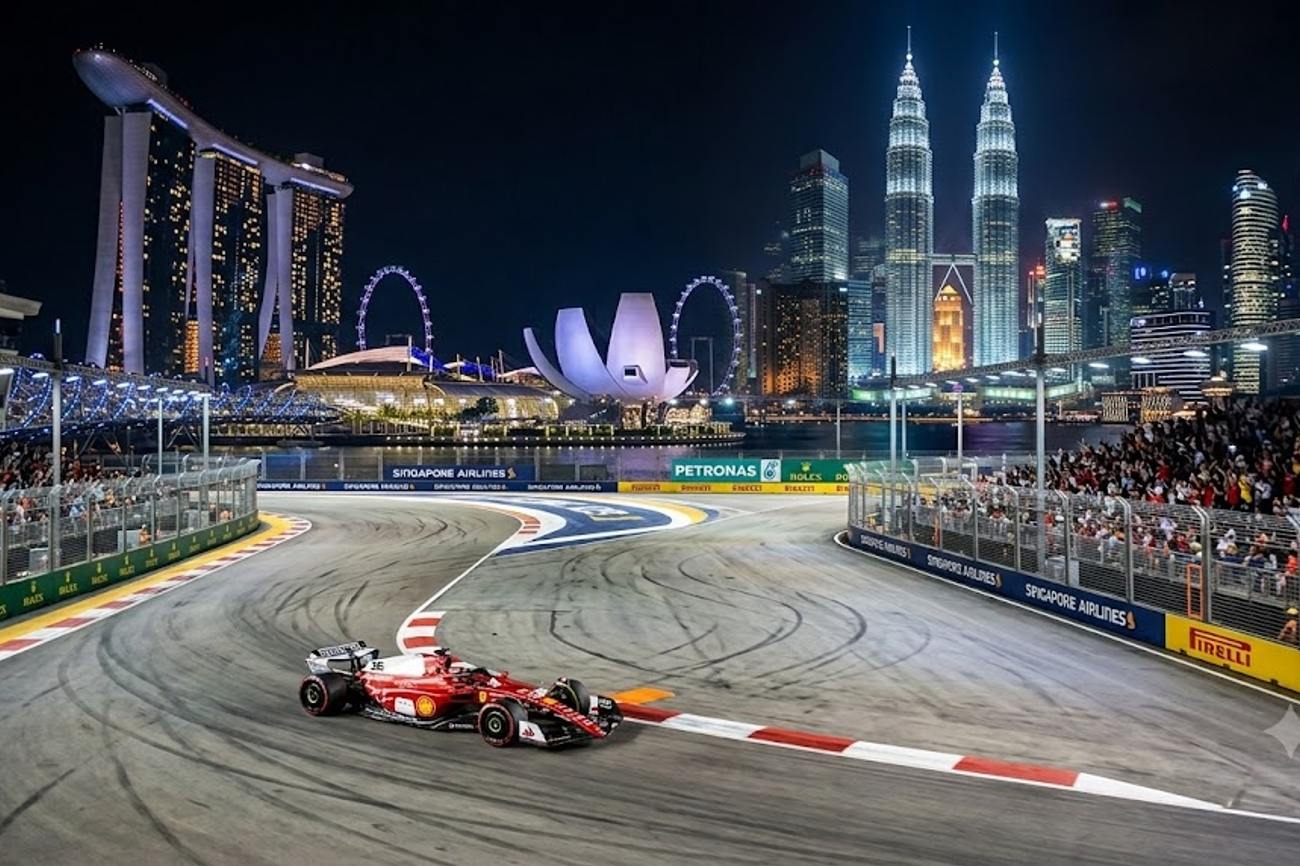
Image generated by AI
S$2.2 billion in incremental tourism receipts since 2008 serves as the definitive benchmark for the economic power of the Singapore Grand Prix. This figure, reported by Singapore’s Ministry of Trade and Industry, underscores a fundamental shift in how Southeast Asia leverages high-profile sporting events not merely as races, but as anchor tenants for regional economic growth. By synchronizing the activities of the Marina Bay Street Circuit and the Sepang International Circuit, Malaysia and Singapore are effectively engineering a "motorsport corridor" that forces a reconfiguration of traditional travel itineraries in the region.
The Engineering of a Regional Travel Corridor
The emergence of a dual-nation Formula 1 circuit is not an accidental byproduct of scheduling, but a strategic alignment of tourism assets. For decades, Southeast Asian tourism operated on a "hub-and-spoke" model, where visitors landed in a primary city and made brief excursions. The current synergy between the Sepang event in Malaysia and the Marina Bay race in Singapore is pivoting the region toward a multi-destination framework.
This shift is supported by the geographical proximity of Kuala Lumpur and Singapore, which reduces the friction of cross-border movement. When high-net-worth international visitors arrive for a race weekend, the marginal cost of adding a second destination to their itinerary is low, but the economic impact on local hospitality is exponential. This creates a symbiotic relationship where the prestige of the Formula One brand acts as the initial lure, while the cultural and culinary offerings of both nations ensure the length of stay is extended.
Quantifying the Tourism Surge: 2025-2026 Data
The financial data indicates that this event-led strategy is yielding significant returns across both markets. Singapore has successfully integrated the Grand Prix into a broader lifestyle ecosystem, while Malaysia is utilizing the Sepang circuit to catalyze a resurgence in both domestic and international arrivals.
The following data represents the current fiscal trajectory of the region's tourism sectors:
| Metric | Value | Timeframe / Source |
|---|---|---|
| Singapore Tourism Receipts | S$23.9 billion | Q1-Q3 2025 (Singapore Tourism Board) |
| Singapore Receipt Growth | 6.5% increase | Year-on-Year (2025) |
| Malaysia Domestic Visitors | 74.7 million | Q1 2026 (Dept. of Statistics Malaysia) |
| Malaysia Domestic Spend | RM34 billion | Q1 2026 (Dept. of Statistics Malaysia) |
| Singapore GP Total Visitors | 720,000+ | 2008–Present (Ministry of Trade & Industry) |
| Singapore GP Total Revenue | S$2.2 billion | 2008–Present (Ministry of Trade & Industry) |
| Singapore GP Contract | Confirmed through 2028 | Long-term Calendar Agreement |
In Malaysia, the domestic strength seen in early 2026—with nearly 75 million internal travelers—provides a stable floor for the economy, allowing the government to focus its infrastructure and marketing efforts on the high-spending international demographic attracted by the Sepang International Circuit.
Expert Analysis: The "Event-Anchor" Economic Model
From a journalistic and analytical perspective, what is happening in Southeast Asia is the implementation of an "Event-Anchor" model. In this scenario, a global IP (Intellectual Property) like Formula 1 is used to solve a specific logistical problem: how to attract long-haul travelers to visit multiple countries in a single trip.
For travelers booking these routes, the direct consequence is a tightening of hotel inventory and a surge in "dynamic pricing" across Kuala Lumpur and Singapore during race windows. We are seeing a transition from standard leisure travel to "event-centric" travel, where the race weekend dictates the entire journey's logistics.
The addition of Singapore to the Formula 1 calendar, alongside Malaysia, is expected to significantly boost tourism in Southeast Asia, attracting global visitors and creating new travel routes. For travelers planning to attend the Formula 1 events, visit the official website of the Civil Aviation Authority of Singapore for the latest information on flight schedules and airport facilities. This will enable them to plan their trips efficiently and make the most of their travel experience.
The pricing pressure created by this demand means that the "shoulder seasons" surrounding these races are becoming the new peak periods. For the travel industry, this creates a massive opportunity for the creation of multi-city packages. Instead of selling a "Singapore City Break," operators are now selling "The Southeast Asian Grand Prix Experience," which bundles flights, cross-border transfers, and luxury accommodation in both Selangor and Marina Bay.
Furthermore, this strategy mitigates the risk of seasonal tourism dips. By anchoring the calendar with a guaranteed global event, the Singapore Tourism Board and Malaysian authorities can ensure a baseline of high-spending visitors regardless of broader economic fluctuations. The long-term confirmation of the Singapore race through 2028 provides the necessary certainty for airlines to maintain high-capacity routes and for hotel developers to invest in luxury upgrades.
Key Takeaways
- Economic Powerhouse: The Singapore Grand Prix has proven its viability with over S$2.2 billion in incremental receipts and 720,000+ international visitors since its 2008 inception.
- Domestic Stability: Malaysia entered 2026 with a robust tourism foundation, recording 74.7 million domestic visitors and RM34 billion in spending in Q1 alone.
- Strategic Corridor: The proximity of Sepang and Marina Bay is driving a trend toward multi-country itineraries, increasing demand for cross-border transport and combined travel packages.
- Long-Term Certainty: Singapore's commitment to the F1 calendar through 2028 ensures continued international visibility and sustained growth in the hospitality and retail sectors.
- Revenue Growth: Singapore saw a 6.5% year-on-year increase in tourism receipts, reaching S$23.9 billion by the third quarter of 2025.
FAQ: Southeast Asia F1 Tourism 2026
Is it possible to visit both the Malaysia and Singapore races in one trip? Yes. Due to the short distance between Kuala Lumpur and Singapore, many travelers now book combined itineraries. This allows visitors to experience the Sepang International Circuit and the Marina Bay Street Circuit in a single journey.
How has the Singapore Grand Prix affected local hotel prices? The race creates a significant spike in demand, leading to higher room rates and limited availability. Travelers are encouraged to book well in advance of the race weekend to avoid peak dynamic pricing.
What is the economic impact of F1 on Malaysia's tourism? Beyond the race itself, the event drives spending in Kuala Lumpur and Selangor, supporting local restaurants, retail, and cultural attractions as international fans extend their stays for city exploration.
Until when is the Singapore Grand Prix confirmed? The race is officially confirmed as part of the Formula One calendar through 2028, providing a stable long-term draw for international visitors.
The roar of the engines is no longer just a sporting signal; it is the sound of a regional economy accelerating into a new era of integrated tourism.
Tags: Formula 1 Singapore, Sepang International Circuit, Marina Bay Street Circuit, Singapore Tourism Board, Malaysia Department of Statistics, Southeast Asia Sports Tourism 2026
Related Travel Guides
- Germany And More Drive Europe’s EV Road Trip Revolution as Digital Borders and Smart Highways Reshape Tourism
- Austria Stands Alongside Germany and Europe’s Major Tourism Hubs as Rail Versus Air Travel Expands
- Vietnam and China Boost Border Tourism as Lang Son and Guangxi Create New Cross Border Travel Experiences
This article is for informational purposes. Flight routes, passenger regulations, visa rules, and transit advisories are subject to change by airlines and aviation authorities. Readers are advised to verify schedules and travel documentation with relevant carriers and border agencies before departure.
Related Stories
Singapore Tourism Board and Visa Launch Visa Destinations Program for Exclusive Visitor Perks in 2026

European Mass Protests Disrupt Travel Across France, Italy, Belgium, and Turkey in 2026