Singapore Gastronomy Surge: ACRA Reports 2,594 New Restaurant Openings Amid 9.8M Tourist Inflow

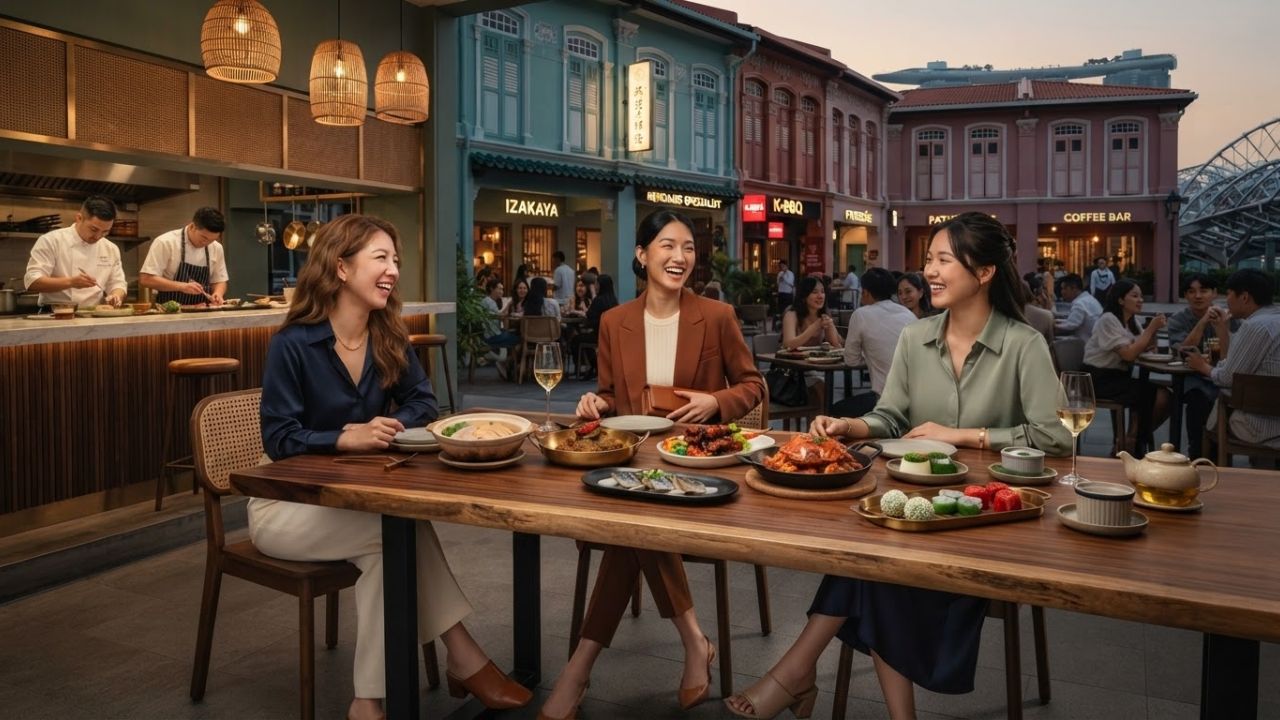
Singapore’s food and beverage sector is experiencing strong commercial expansion, recording 2,594 new restaurant and food business registrations between January and July 2026. Official data from the Accounting and Corporate Regulatory Authority (ACRA) shows that new culinary openings outpaced closures, supported by 9.8 million international visitor arrivals in the first seven months.
[SINGAPORE] — Singapore's food tourism economy is expanding rapidly, with new restaurant registrations surpassing pre-existing figures despite rising commercial rents and labor costs. Official data released by the Accounting and Corporate Regulatory Authority (ACRA) confirms that 2,594 new food and beverage businesses registered between January and July 2026, representing more than half of the total 4,100 new eateries opened across the entire previous year.
The culinary boom coincides with strong international visitor arrivals. Singapore welcomed 1.63 million international tourists in July 2026—marking the highest single-month total of the year—bringing cumulative year-to-date arrivals to approximately 9.8 million. Driven by government targets aiming for 17 million to 18 million total visitors in 2026, international travel demand continues to anchor the city-state's hospitality market.
ACRA Records 2,594 New Food Outlets Outpacing 2,101 Closures
While Singapore’s food and beverage industry continues to navigate high commercial rents, elevated wage requirements, and intense market competition, new business creation remains resilient. In the first seven months of 2026, ACRA recorded 2,101 food business closures—a 25.1 per cent year-on-year increase. However, the 2,594 new registrations comfortably exceeded total closures, yielding net positive expansion across the sector.
Sector turnover metrics highlight market dynamics across the dining ecosystem:
- Jan–Jul 2026 New Business Openings: 2,594 newly registered food businesses.
- Jan–Jul 2026 Business Closures: 2,101 recorded closures (25.1% year-on-year increase).
- Previous Full-Year Benchmark: Approximately 4,100 total new food business openings recorded across the previous year.
- Net Sector Expansion: Net positive addition of nearly 500 food outlets within seven months.
The figures reflect an active market where global food franchises, regional Asian dining concepts, and independent operators enter the market to capture domestic and tourist dining expenditure.
International Brands Expand Into Suburban and Cultural Districts
Global and regional Asian dining brands are leading the wave of new restaurant openings, expanding footprints beyond the traditional Central Business District (CBD) into suburban heartlands and historic cultural precincts.
Notable brand expansions across Singapore include:
- Lotteria (South Korea): The fast-food chain opened its second Singapore outlet at Jurong Point, extending its commercial reach into western suburban heartlands.
- Sederhana (Indonesia): The nasi padang brand established its maiden Singapore restaurant in Kampong Glam, introducing traditional Indonesian culinary concepts to international tourists and local diners.
- Japanese Concepts: Rapid growth in specialized dining concepts, including Japanese-style hamburger steak houses, specialized yakitori grills, and traditional ramen shops.
- Korean Dining Outlets: Continued expansion of authentic Korean barbecue and casual dining brands across regional shopping centers.
Global dining brands frequently utilize Singapore as a test market for Southeast Asian expansion, using the city’s international consumer base to validate concepts before rolling out regional branches.
Regional Dispersal and Late-Night Dining Boost Visitor Spend
Tourism authorities are using Singapore’s culinary reputation to encourage visitors to explore neighborhoods outside the main Marina Bay and Orchard Road tourist corridors. By promoting heritage dining districts, suburban food centers, and extended late-night dining venues, tourism planners aim to increase average stay durations and visitor spend per trip.
Key tourism dispersal initiatives include:
- Heritage Precinct Dining: Promoting Kampong Glam, Chinatown, Little India, and Katong/Joo Chiat as primary culinary destinations.
- Late-Night Gastronomy: Supporting extended operating hours for hawker centers, supper clubs, and specialized dining venues to cater to international travelers.
- Suburban Food Exploration: Guiding visitors to heartland commercial hubs like Jurong West, Tampines, and Bishan for authentic local food experiences.
Expanding dining choices beyond the city center helps distribute tourism spending into neighborhood businesses, supporting local employment and community resilience.
Singapore Food & Tourism Sector Performance Benchmarks
| Sector Indicator / Performance Metric | Recorded Benchmark / Official Figure |
|---|---|
| New Food Outlets (Jan–Jul 2026) | 2,594 New Registrations (Source: ACRA) |
| Food Outlets Closed (Jan–Jul 2026) | 2,101 Business Closures (+25.1% YoY Increase) |
| Full-Year Previous Opening Benchmark | ~4,100 New Food Business Openings |
| July 2026 Tourist Arrivals | 1.63 Million Visitors (Peak Monthly Volume of 2026) |
| Cumulative Jan–Jul 2026 Visitor Volume | ~9.8 Million International Visitors |
| Annual 2026 Tourism Target | 17.0 Million to 18.0 Million International Visitors |
| Key New International Outlets | Lotteria (Jurong Point), Sederhana (Kampong Glam) |
| Primary Culinary Focus Areas | Japanese Steak/Yakitori, Korean Dining, Indonesian Nasi Padang |
Economic Analysis: High Yield Gastronomy Secures Tourism Revenue
Food expenditure represents one of the largest single components of visitor spending in Singapore. By combining Michelin-starred dining establishments with affordable hawker centers and international franchise options, Singapore caters to all traveler budgets.
The commercial impact of the food expansion includes:
- Increased Visitor Expenditure: Diverse dining options encourage tourists to allocate a higher percentage of their total trip budget to food and beverage.
- Commercial Real Estate Demand: Restaurant openings maintain commercial lease occupancy across suburban shopping malls and historic shophouses.
- Employment Support: The expanding food sector sustains thousands of hospitality jobs, including chefs, service staff, logistics handlers, and marketing personnel.
Sustained growth in new restaurant registrations reinforces Singapore’s position as a premier culinary capital in the Asia-Pacific region.
Why This Matters (Information Gain & Experience)
For international travelers visiting Singapore, the surge in restaurant openings provides an unmatched variety of global and regional dining choices. Whether exploring high-end Japanese dining concepts in Orchard Road, sampling Indonesian nasi padang in Kampong Glam, or eating late-night suppers in heartland neighborhoods, visitors benefit from high food quality and diverse menu options.
From a travel planning standpoint, international visitors can explore food experiences across different districts via Singapore's Mass Rapid Transit (MRT) network. Exploring neighborhood dining centers outside peak lunch and dinner hours allows travelers to experience authentic local culture while avoiding crowd congestion in central tourist zones.
Frequently Asked Questions
How many new restaurants opened in Singapore in 2026?
According to official ACRA data, Singapore registered 2,594 new restaurant and food business openings between January and July 2026.
How many international tourists visited Singapore in early 2026?
Singapore welcomed approximately 9.8 million international visitors during the first seven months of 2026, with July recording the highest monthly total of 1.63 million arrivals.
What is Singapore's annual tourism target for 2026?
Singapore's government has set a target to attract between 17 million and 18 million international visitors in 2026.
Which international food brands recently expanded in Singapore?
Recent international expansions include South Korea's Lotteria opening its second location at Jurong Point and Indonesia's Sederhana launching its first nasi padang outlet in Kampong Glam.
Related Travel Guides
- The Rise of 'Coolcationing': Almaty, Sapporo, and Sapa Lead the 2026 Shift Toward Temperate Tourism
- Turks and Caicos Records Massive Port Expansion as $200 Oil and US-Iran Conflict Disrupt Global Shipping Hubs: How Grand Turk, MSC Group, and the Caribbean Navigate 2026 Energy Crisis and Strait of Hormuz Lockdown
- Virgin Atlantic Expands to South Africa, US, and Caribbean as $200 Oil and US-Iran Conflict Disrupt Global Travel Hubs: How Sir Richard Branson’s Airline Navigates 2026 Energy Crisis and Strait of Hormuz Tensions
This article is for informational purposes. Flight routes, passenger regulations, visa rules, and transit advisories are subject to change by airlines and aviation authorities. Readers are advised to verify schedules and travel documentation with relevant carriers and border agencies before departure.
Related Stories


Angola Courts Gulf Capital to Power Tourism Expansion as Portuguese Hospitality Enrolments Surge by 106%