
Accidental Rocky Mountain Escapes: How Flight Diversions Direct Travelers to Denver
United Airlines Flight UAL3820's diversion from Seattle to Denver highlights hub airport support and the appeal of Denver's cultural districts.

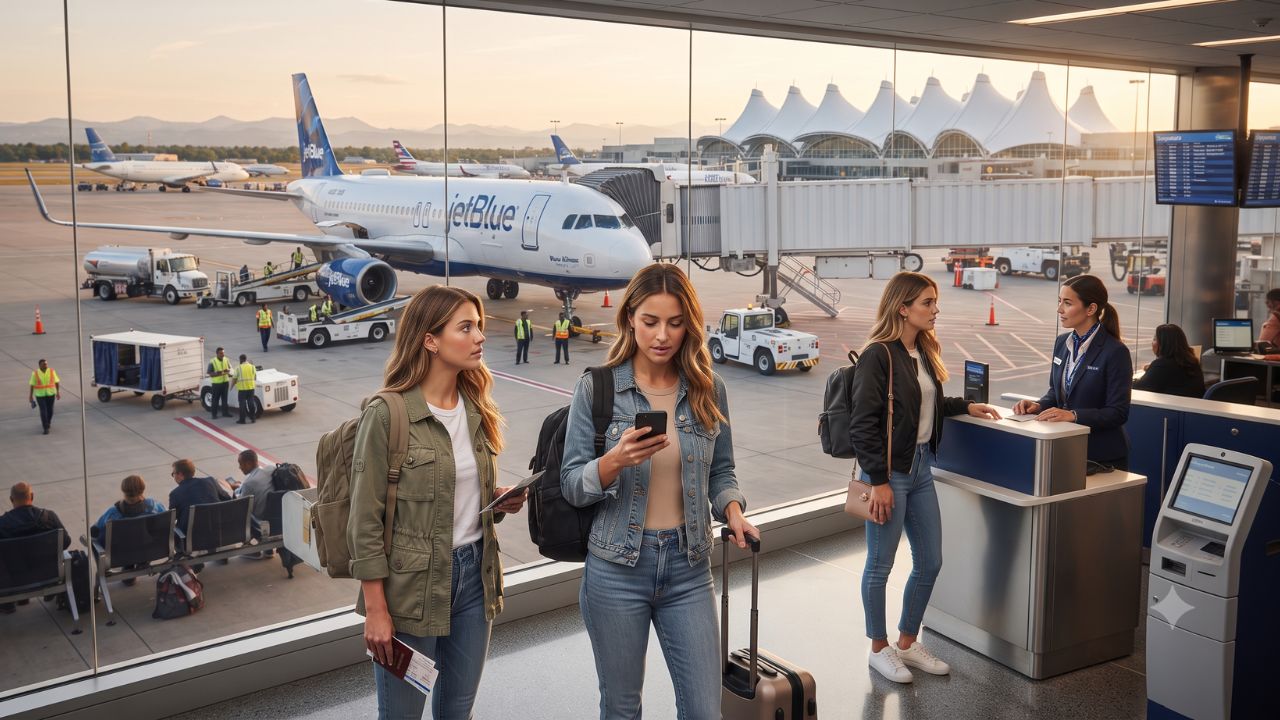
Image generated by AI
An unscheduled diversion of United Airlines Flight UAL3820 on August 5, 2026, redirected travelers to Denver, presenting an unexpected opportunity to explore the cultural districts and eco-friendly transit of the Mile High City.
On August 5, 2026, United Airlines Flight UAL3820, scheduled from Washington state to Illinois, diverted to Denver International Airport (DEN). The Boeing 737 MAX 9 aircraft safely landed in Colorado, shifting passengers from their planned flight path to the Front Range of the Rocky Mountains.
Rocky Mountain Transit Hubs: Denver as a Network Safeguard
Managing airspace flow across the western United States requires highly coordinated network hubs. When transcontinental flights experience operational or schedule delays, airlines rely on major bases to resolve routing challenges without compromising safety.
Flight UAL3820 took off from Seattle's historic King County International Airport (Boeing Field - BFI) at approximately 10:27 AM PDT, departing 1 hour and 27 minutes behind schedule. The Boeing 737 MAX 9, registered under tail number N17467, was bound for Chicago O'Hare International Airport (ORD). Instead of completing its journey, the aircraft diverted to Denver, landing safely at 3:20 PM MDT after spending approximately 3 hours and 53 minutes in the air. Upon arrival, the aircraft taxied to Gate A22.
While the exact operational cause of the turn-back was not publicly confirmed by United Airlines, the diversion highlights Denver's role as a major hub. The airport features extensive maintenance hangars, engineering support teams, and flight crew bases, making it a primary relief point for western transcontinental traffic.
High-Altitude Accidental Tourism: Discovering the Mile High City
For the traveler, an unexpected stop at Denver International Airport serves as a gateway to Colorado's outdoor lifestyle and cultural neighborhoods. Rather than staying in the terminal, passengers can utilize Denver's light rail system to access the city's pedestrian-friendly centers, including the historic Union Station and the nearby Santa Fe Art District.
This accidental tourism redirects visitor spend to local Front Range businesses, neighborhood cafes, and farm-to-table restaurants serving regional specialties like bison burgers and green chili. These slow travel choices promote low-impact urban exploration and support regional conservation efforts led by the Colorado Tourism Office.
Denver and Front Range Corridor Visitor Guide
Travelers arriving at Denver International Airport can enjoy these local insider tips:
- Eco-Friendly Airport Transit: Use the RTD A Line commuter train, which departs directly from the airport terminal and reaches downtown's Union Station in approximately 37 minutes, providing low-emission transit.
- Front Range Specialties: Visit local brewpubs to sample craft beers, a signature of Colorado's active microbrewing culture, or enjoy local green chili dishes.
- Cultural Etiquette: When exploring Denver's parks and historic neighborhoods, practice urban Leave No Trace principles by using designated waste receptacles and respecting public spaces.
- High-Altitude Adjustment: Drink plenty of water and wear sunscreen, as Denver's elevation of 5,280 feet increases the risk of dehydration and sunburn.
Regional Gateways and Colorado Eco-Tourism Growth
The redirection of Flight UAL3820 highlights the flexibility of the western U.S. aviation network. Using hub gateways like Denver to manage delays prevents systemic scheduling failures across the broader domestic flight grid. By encouraging travelers to explore the Front Range, these operational changes highlight the potential for sustainable regional tourism and environmental stewardship in Colorado's high-altitude communities.
United Airlines Flight UAL3820 Operational Log
| Parameter | Flight Details |
|---|---|
| Airline / Carrier | United Airlines |
| Flight Number | UAL3820 |
| Aircraft Model | Boeing 737 MAX 9 |
| Registration / Tail Number | N17467 |
| Departure Airport | King County International Airport (Boeing Field - BFI) |
| Departure Delay | 1 hour 27 minutes |
| Actual Departure Time | 10:27 AM PDT |
| Scheduled Destination | Chicago O'Hare International Airport (ORD) |
| Actual Landing Airport | Denver International Airport (DEN) |
| Actual Landing Time | 3:20 PM MDT |
| Arrival Gate | Gate A22 |
| Total Airborne Time | 3 hours 53 minutes |
| Operational Outcome | Diverted to alternate airport |
Related Travel Guides
- Aspen Flight Diversions Drive Regional Tourism Shift to Grand Junction
- Accidental Tourism: How Flight Diversions Direct Travelers to New England Heritage
- Accidental Gateways: Flight Diversions Connect Travelers to Chesapeake Bay Heritage
Disclaimer: Flight details and technical specifications are compiled from public flight tracking platforms, including FlightAware, as of August 7, 2026. Travelers are advised to check real-time schedule adjustments with United Airlines or Denver airport authorities before departure.
Disclaimer
This article is for informational and educational purposes only. It does not constitute legal, financial, or professional advice. While we strive to provide accurate and up-to-date information, travel policies, regulations, and conditions change rapidly. Always verify information with official sources before making travel decisions. Nomad Lawyer makes no representations about the accuracy, reliability, completeness, or suitability of the information provided. Readers should consult qualified professionals for advice specific to their circumstances. The views expressed in this article are those of the author and do not necessarily reflect the views of Nomad Lawyer.
Kunal K Choudhary
Co-Founder & Contributor
A passionate traveller and tech enthusiast. Kunal contributes to the vision and growth of Nomad Lawyer, bringing fresh perspectives and driving the community forward.
Learn more about our team →