
The Autumn Surge of Dark Tourism: Why Savannah, New Orleans, and St. Augustine Dominate Fall Travel Economics

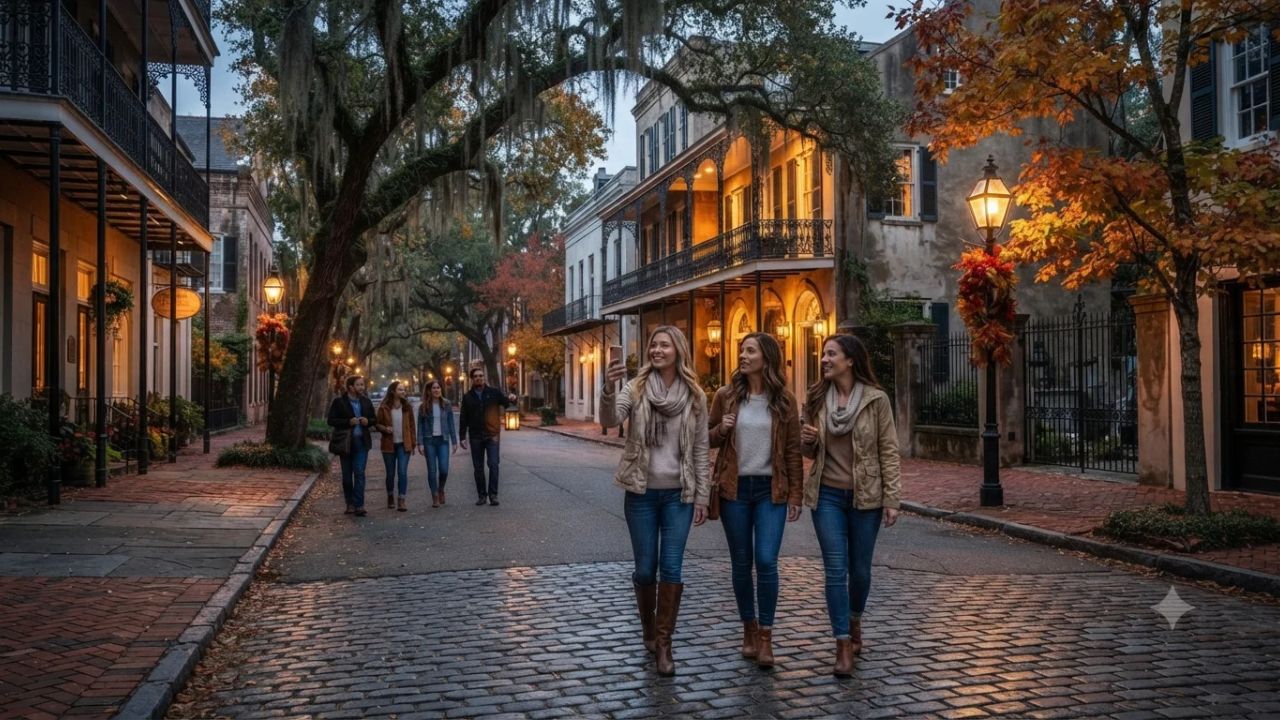
Surges in autumn hotel bookings across Savannah, New Orleans, and St. Augustine demonstrate how centuries-old spectral folklore has transformed the traditional September-to-November shoulder season into one of the highest-yield travel quarters in the American South. Historically, the transition between summer vacations and winter holidays represented a predictable revenue lull for Southern hospitality operators contending with declining leisure volumes. Today, however, experiential travelers searching for ghost tours, cemetery walks, and historic district storytelling have turned dark tourism into a formidable economic catalyst. Rather than relying on transient Halloween day-trippers, these three historic coastal enclaves have leveraged their architectural preservation, walkable downtown districts, and culinary heritage to convert supernatural curiosity into sustained, multi-night visitor spending.
The Commercial Mechanics of Dark Tourism: How Ghost Lore Extended the Southern Shoulder Season
The rapid rise of experiential autumn travel reflects a fundamental shift in tourist behavior. Contemporary travelers increasingly prioritize narrative-rich excursions that blend historical education with visceral atmosphere over generic resort relaxation. In Georgia, Visit Savannah has seen its iconic Historic District—celebrated for its 22 cobblestone squares draped in Spanish moss and antebellum mansions—become a primary gathering point for walking ghost tours. By pairing grim yellow-fever history and Revolutionary War battlefield lore with visits to preserved landmarks like The Pirate’s House and Bonaventure Cemetery, local tour companies transform centuries-old urban tragedies into educational walking narratives.
In Louisiana, the cultural magnetism of New Orleans Tourism creates a year-round paranormal corridor that peaks dramatically as autumn temperatures moderate. The historic French Quarter, Jackson Square, and St. Louis Cathedral anchor a visitor economy where French and Spanish colonial history intersects with voodoo traditions, above-ground burial crypts, and legendary jazz halls along Frenchmen Street. The city does not treat ghost tourism as an isolated sideshow; instead, it embeds paranormal storytelling directly within its broader cultural fabric, integrating walking tours alongside world-renowned Creole dining institutions serving gumbo, po'boys, and beignets.
Further south along the Atlantic coastline, St. Augustine, Florida, positions itself as the nation’s oldest European-established permanent settlement, offering an alternative that fuses Spanish colonial military heritage with maritime coastal relaxation. Under the stewardship of the National Park Service (NPS), the 17th-century coquina fortress of Castillo de San Marcos and the nearby St. Augustine Lighthouse and Maritime Museum draw hundreds of thousands of annual visitors intrigued by centuries of naval battles, colonial sieges, and maritime shipwrecks. By pairing these historic fortifications with the Gilded Age grandeur of Flagler College and the coastal nature trails of Anastasia State Park, the city captures family travelers who want heritage mystery combined with a beach retreat.
Cultural Capital and Asset Comparison Across Savannah, New Orleans, and St. Augustine
The shared commercial strength of Savannah, New Orleans, and St. Augustine lies in their pedestrian-friendly urban grids. Because their core historic assets are clustered tightly within historic downtown districts, visitors explore primarily on foot, distributing expenditure evenly across independent restaurants, boutique retailers, and historic house museums rather than confining their spend to isolated resort enclaves.
Each city possesses distinct architectural attributes that reinforce its seasonal identity. Savannah relies on Victorian and Georgian architecture, using Forsyth Park’s monumental fountain and residential walking squares as open-air stages for nighttime lantern tours. New Orleans utilizes iconic cast-iron balconies, gaslit alleyways, and ornate above-ground cemetery vaults to deliver an intensely theatrical encounter with urban history. St. Augustine features narrow Spanish colonial streets like St. George Street, where historic taverns, stone ramparts, and maritime towers offer tactile connections to 16th-century Spanish colonial administration.
| Destination City | Primary Historic District | Key Architectural Landmarks | Signature Paranormal & Heritage Sites | Iconic Regional Gastronomy | Peak Autumn Travel Driver |
|---|---|---|---|---|---|
| Savannah, Georgia | Downtown Historic District | 22 Historic Squares, Forsyth Park Fountain | Bonaventure Cemetery, The Pirate's House | Southern coastal cuisine, low-country fare | Ghost walking tours, architectural heritage |
| New Orleans, Louisiana | French Quarter & Faubourg Marigny | St. Louis Cathedral, Jackson Square, Frenchmen Street | Historic above-ground cemeteries, haunted hotels | Creole gumbo, crawfish po'boys, warm beignets | Voodoo lore, live jazz, Halloween festivals |
| St. Augustine, Florida | Colonial Downtown & Anastasia Island | Castillo de San Marcos, Flagler College | St. Augustine Lighthouse, Old Jail, Spanish streets | Minorcan clam chowder, coastal seafood | Spanish colonial history, maritime ghost tours |
Expert Analysis: Walkability Premiums, Compression Pricing, and the Commodification of Memory
The operational brilliance of the dark tourism model in Savannah, New Orleans, and St. Augustine is its reliance on immutable physical assets. Theme parks and modern entertainment complexes require hundreds of millions of dollars in recurring capital investment to construct new thrill rides and retain market share. In contrast, historic preservation allows municipalities to monetize centuries-old municipal history, historic architecture, and local folklore with virtually zero incremental equipment cost. A ghost tour operator requires only a licensed guide, a route permit, and historical source material to generate high-margin revenue.
However, the rapid influx of autumn visitors introduces intense demand compression within tight geographical borders. Because municipal preservation ordinances strictly prohibit the construction of high-rise commercial hotels within core historic districts, the available room supply in areas like Savannah’s Historic District or New Orleans’ French Quarter remains fixed. For travelers booking this route, the direct consequence is sharp lodging availability crunches and mandatory three-night minimum stays during October weekends, forcing price-sensitive travelers to seek secondary accommodations along highway corridors miles away from pedestrian centers.
From an economic perspective, this real estate constraint gives boutique hoteliers, historic inns, and independent restaurateurs tremendous pricing power during the fall quarter. The pricing pressure this creates means average daily room rates routinely double between September and late November, while popular evening walking tours and landmark cemetery visits sell out weeks in advance. Dining establishments capitalize on high foot traffic by unbundling reservations and instituting table-turn limits to process maximum evening covers.
Simultaneously, municipal leaders must navigate the delicate balance between tourism commercialization and community livability. Excessive pedestrian congestion, late-night noise in residential squares, and the theatrical trivialization of solemn historical events—such as epidemics, slavery, and colonial warfare—have prompted tighter city ordinances governing tour group sizes and operating hours. Destinations that maintain rigorous historical accuracy and invest tourist tax revenues back into structural historic preservation will sustain their reputation as premier cultural havens rather than descending into caricature.
Key Takeaways
- Dark tourism and heritage storytelling have converted the traditional Southern autumn shoulder season into an exceptionally lucrative travel corridor across Savannah, New Orleans, and St. Augustine.
- Historic preservation ordinances create physical barriers to new hotel construction, driving high lodging occupancy and premium room rates throughout October and November.
- High pedestrian walkability in Savannah’s 22 squares, New Orleans’ French Quarter, and St. Augustine’s St. George Street channels visitor spending directly into local dining and retail.
- Ghost tours serve as low-overhead, high-margin municipal revenue generators that simultaneously fund historic site upkeep, museum operations, and architectural restoration.
- Municipalities are increasingly regulating tour group sizes and evening curfews to balance tourism revenue with urban neighborhood livability.
FAQ: Southern Haunted Heritage and Autumn Travel 2026
Why do Savannah, New Orleans, and St. Augustine experience travel surges in autumn?
Moderate autumn temperatures make these walkable historic cities ideal for outdoor exploring, while centuries of documented colonial, naval, and epidemic history create authentic backdrops for ghost tours, cemetery excursions, and seasonal cultural festivals that attract high-spending heritage travelers.
What is the advantage of booking a ghost tour connected to historic preservation?
Tours operated by or affiliated with local historical societies provide thoroughly researched factual history alongside regional folklore, ensuring that ticket proceeds directly support the ongoing preservation, maintenance, and structural restoration of historic buildings and municipal cemeteries.
How far in advance should visitors book autumn accommodations in these historic districts?
Because strict preservation zoning limits the number of hotel rooms inside core historic districts like Savannah’s Historic District and the French Quarter, travelers should book hotels and licensed bed-and-breakfasts three to four months in advance for October and November weekends.
Which city is best suited for combining ghost tourism with coastal beach recreation?
St. Augustine, Florida, provides the ideal blend of supernatural history and coastal relaxation, allowing visitors to tour the Spanish colonial Castillo de San Marcos fortress and historic lighthouse before exploring the pristine beaches and nature trails of Anastasia State Park.
In the historic streets of the American South, the past is never truly buried; it simply waits for the autumn shadows to welcome its next paying guest.
Related Travel Guides
Disclaimer
This article is for informational and educational purposes only. It does not constitute legal, financial, or professional advice. While we strive to provide accurate and up-to-date information, travel policies, regulations, and conditions change rapidly. Always verify information with official sources before making travel decisions. Nomad Lawyer makes no representations about the accuracy, reliability, completeness, or suitability of the information provided. Readers should consult qualified professionals for advice specific to their circumstances. The views expressed in this article are those of the author and do not necessarily reflect the views of Nomad Lawyer.
Raushan Kumar
Founder & Lead Developer
Full-stack developer with 11+ years of experience and a passionate traveller. Raushan built Nomad Lawyer from the ground up with a vision to create the best travel and law experience on the web.
Learn more about our team →