
Saudi Culture Amalgamation with Modern Lifestyle is Rarest Option
Saudi Culture Amalgamation with Modern Lifestyle is Rarest Option

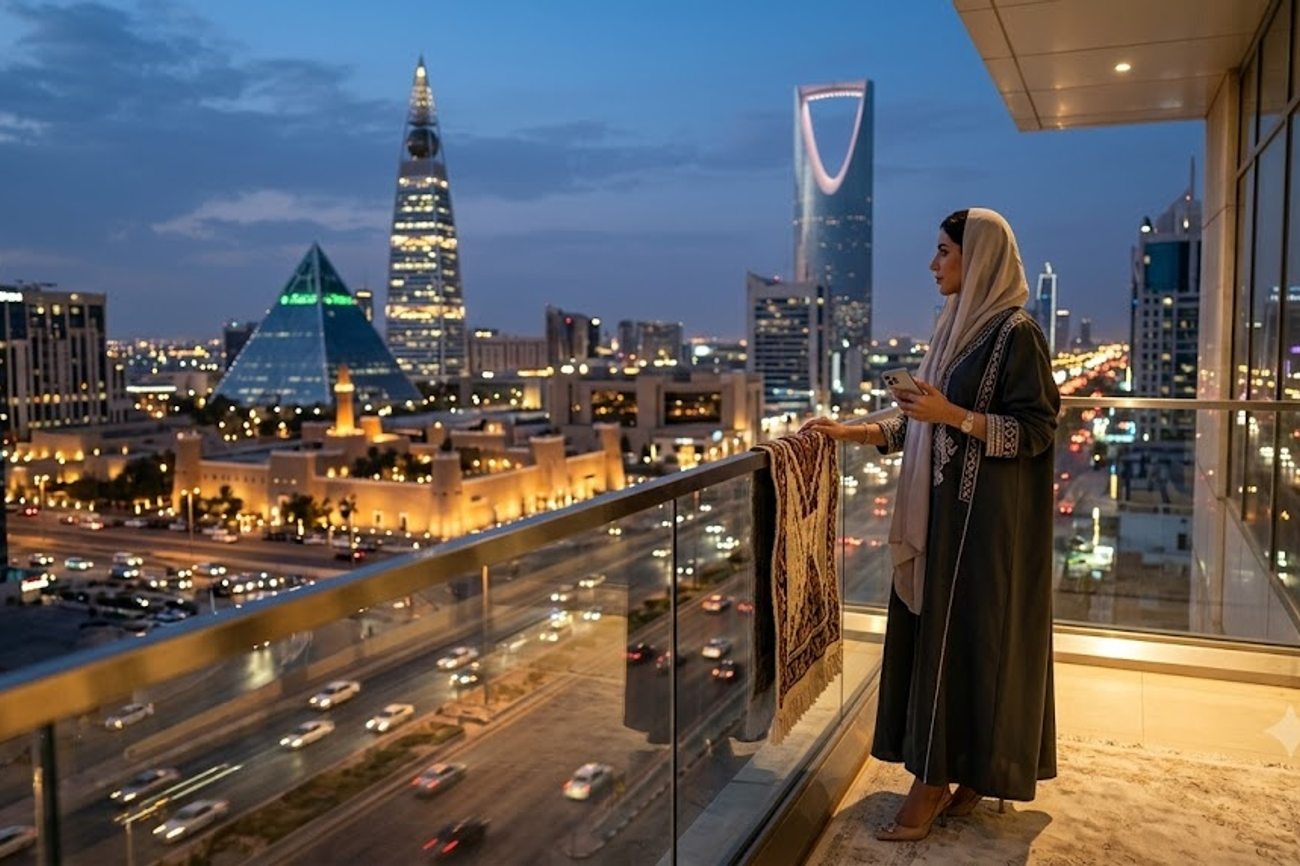
Image generated by AI
Saudi Arabia’s tourism sector has shifted from a primary focus on capacity expansion to a strategy of "cultural differentiation," with the Kingdom aiming to attract 150 million visitors annually by 2030. This transition is evidenced by the move away from standardized international hotel models toward hyper-localized experiences, as seen in the strategic positioning of AMSA Hospitality and the Palm Qassim Hotel.
The Cultural Integration Metric: From Standardized to Specialized
The current movement in Saudi hospitality is characterized by a pivot toward "amalgamation"—the blending of contemporary operational efficiency with regional identity. Bassem Yakout, General Manager of Palm Qassim Hotel, has identified this as the "rarest option" in the current market. The Palm Qassim Hotel, operating under Accor’s Handwritten Collection, serves as a primary case study for this shift. Rather than deploying a generic luxury template, the property integrates the specific agricultural identity of the Qassim region—specifically its date cultivation—into its naming conventions and guest outlets.
This is not an isolated branding exercise but a systemic response to the evolving demands of the global traveler. Data from the World Travel & Tourism Council (WTTC) indicates that high-value travelers are increasingly seeking "authentic" regional experiences over sanitized luxury. By embedding the heritage of Qassim into the guest journey, AMSA Hospitality is attempting to capture a market segment that views cultural immersion as a primary driver for travel.
Comparative Context: Regionalism vs. Globalization
Historically, the rapid expansion of the Saudi hotel market relied on the "plug-and-play" models of international chains to ensure quality consistency. However, the 2026 data suggests a divergence. While the "Giga-projects" in AlUla and the Red Sea continue to lead in luxury infrastructure, secondary hubs like Qassim are leveraging regionalism to create a competitive moat.
The following table illustrates the shift in hospitality strategy across different Saudi tourism tiers:
| Market Segment | Previous Strategy (2020-2024) | Current Strategy (2025-2026) | Primary Value Driver |
|---|---|---|---|
| Tier 1 (Riyadh/Jeddah) | Capacity & Brand Recognition | Tech-Driven Luxury | Efficiency & Scale |
| Tier 2 (Qassim/Regional) | Basic Business Accommodation | Cultural Amalgamation | Regional Identity/Heritage |
| Giga-Projects (AlUla/Red Sea) | Ultra-Luxury Infrastructure | Regenerative Tourism | Environmental Exclusivity |
| Workforce Model | Expatriate-Led Operations | Internal Talent Pipelines | Saudi National Leadership |
This shift is further supported by the institutionalization of workforce development. AMSA Hospitality has moved beyond simple recruitment to the establishment of a dedicated academy. This internal pipeline focuses on preparing Saudi nationals for senior roles in revenue management, culinary operations, and general management. This aligns with broader IATA and UNWTO trends where the sustainability of a tourism destination is measured by the localization of its professional workforce.
What This Means for Travelers
The transition toward "Cultural Amalgamation" changes the booking logic for those visiting the Kingdom. Travelers should no longer assume that a hotel brand provides a uniform experience across different cities.
- Expect Destination-Specific Amenities: In regions like Qassim, the guest experience is now tied to local industry (e.g., date cultivation). Travelers should look for "Handwritten" or "Boutique" designations when seeking an authentic experience, as these are more likely to offer regional integration than standard corporate flags.
- Shift in Booking Windows: As hotels move toward specialized, smaller-scale "character" properties, inventory becomes more limited compared to the massive towers of Riyadh. For those visiting regional hubs in Q4, booking 12-16 weeks in advance is recommended to secure properties that offer these curated cultural experiences.
- Sustainability Verification: With AMSA Hospitality and others replacing standard amenities with eco-friendly alternatives, travelers can expect a reduction in single-use plastics and a shift toward sustainable operational materials. This is a Kingdom-wide trend driven by Vision 2030's environmental mandates.
Forward Projection: The Rise of the "Secondary Destination"
Based on the current trajectory of AMSA Hospitality and the activity at WTM Riyadh 2026, the next 36 months will see a surge in "secondary destination" tourism. While Riyadh and Jeddah will remain the primary gateways, the data suggests that the growth rate of regional hubs like Qassim will accelerate as they offer a distinct value proposition that cannot be replicated in metropolitan centers.
We expect to see a "Localization Index" become a key metric for hotel performance. Properties that successfully integrate local workforce (Saudi nationals in senior management) and local culture (regional heritage in guest services) will likely command a premium ADR (Average Daily Rate) over standardized competitors. Furthermore, the integration of sustainability—moving from "green-washing" to operational mandates—will become a prerequisite for any hotel seeking to partner with international travel agencies and distribution channels.
FAQ: Saudi Hospitality Trends 2026
Will hotel prices increase in regional areas like Qassim? Yes. As properties move from basic accommodation to "cultural experiences" and boutique collections, they shift from price-competitive to value-competitive, which typically leads to higher average daily rates.
Is now a good time to book regional Saudi travel? Yes, but the strategy has changed. Instead of booking the largest chain, look for properties emphasizing "cultural amalgamation" to get the most authentic experience of the Kingdom's transformation.
Which brands are leading the localization trend? AMSA Hospitality, particularly through its partnership with Accor’s Handwritten Collection, is currently a leader in blending modern operations with regional Saudi identity.
How is the workforce changing in these hotels? There is a significant shift toward Saudi national leadership. Companies are now using internal academies to move locals into senior roles in revenue and general management.
The era of the generic hotel is ending in Saudi Arabia; the era of the destination-hotel has arrived.
Tags: Saudi-Hospitality-Localization-2026, AMSA-Hospitality-Growth, Qassim-Tourism-Metrics, Vision-2030-Hotel-Trends, Saudi-National-Workforce-Development
Related Travel Guides
Disclaimer
This article is for informational and educational purposes only. It does not constitute legal, financial, or professional advice. While we strive to provide accurate and up-to-date information, travel policies, regulations, and conditions change rapidly. Always verify information with official sources before making travel decisions. Nomad Lawyer makes no representations about the accuracy, reliability, completeness, or suitability of the information provided. Readers should consult qualified professionals for advice specific to their circumstances. The views expressed in this article are those of the author and do not necessarily reflect the views of Nomad Lawyer.
Naina Thakur
Contributor & Travel Specialist
Travel enthusiast and legal writer covering visa regulations, responsible tourism, and cultural journeys across global destinations.
Learn more about our team →