
Saudi Arabia and Yemen Travel Alert: Airport Attacks at Abha, Riyadh, and Aden Escalate Aviation Risks 2026
Civilian aviation faces heightened security scrutiny across Saudi Arabia and Yemen following missile strikes at Abha, Riyadh, and Aden airports resulting in 3 fatalities and 36 injuries.

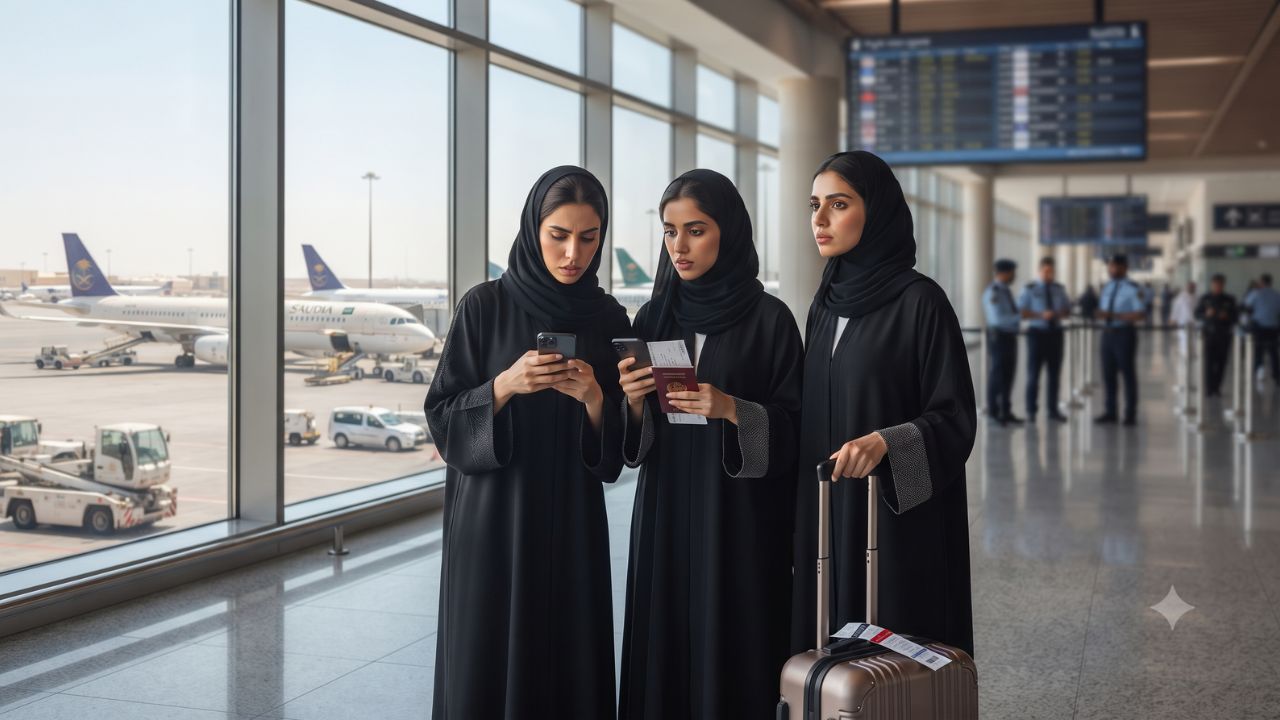
Image generated by AI
Civilian aviation across southwestern Saudi Arabia and the southern Red Sea basin faces severe disruption following coordinated missile and drone strikes on 7 October 2026 that targeted Abha and Riyadh airports, leaving three people dead and 36 injured. The attacks, claimed by the Houthi movement, struck civilian transport nodes alongside a near-runway missile impact at Aden International Airport in Yemen, prompting immediate reviews of regional flight paths, airport security protocols, and international government travel advisories.
The security escalation occurred concurrently with intense fighting near the Bab el-Mandeb Strait, a vital international shipping chokepoint through which approximately 12% of global trade flows. While Saudi Arabia's General Authority of Civil Aviation and commercial carriers maintained scheduled operations without full airport shutdowns, travelers navigating the region face sudden airspace rerouting and heightened boarding checks.
Breakdown of Regional Airport Incidents and Casualties
The reported strikes produced direct casualties at two major Saudi civilian facilities, while military intercepts were recorded across the capital's northern air defense zone.
| Airport / Gateway | Reported Attack Type | Casualties & Injuries | Operational & Flight Impact |
|---|---|---|---|
| Abha International Airport (AHB) | Drone & missile strikes | 2 killed (Moroccan & Algerian residents), 28 injured | Ground operations briefly paused; localized terminal damage |
| Riyadh King Khalid (RUH) | Ballistic missile & drone attempt | 1 killed (Sudanese national), 8 injured | Brief schedule adjustments; missile intercepted north of city |
| Aden International Airport (ADE) | Missile strike near runway | 0 casualties reported | Runway close-call; Yemenia Flight 603 landed; Cairo flights disrupted |
In Riyadh, coalition spokesperson Major General Turki al-Malki stated that air defense forces intercepted a ballistic missile north of the city and destroyed a launch platform in Sanaa, Yemen. At Aden International Airport, a missile landed adjacent to the runway shortly before a flight from Cairo approached, while transit passengers were waiting in the terminal for an outbound service to Jeddah.
International Travel Advisories and Security Classifications
Following regional escalations, Western diplomatic missions updated security guidance for citizens and commercial travelers moving across the Arabian Peninsula.
| Country / Region | Advisory Level | Issuing Authority | Specific Travel Restrictions |
|---|---|---|---|
| Saudi Arabia (General) | Level 3: Reconsider Travel | U.S. Department of State (15 Sept 2026) | Warns of missile, drone, and terrorism risks |
| Saudi–Yemen Border Zone | Level 4: Do Not Travel | U.S. State Department | Strict ban within 50 miles of the border (includes Abha region) |
| Yemen (Countrywide) | Level 4: Do Not Travel | U.S. State Department / UK FCDO | Complete travel ban; U.S. Embassy in Sanaa closed since 2015 |
What Makes Regional Aviation Security Unique in 2026
Commercial flight operations in southwestern Saudi Arabia operate in close geographic proximity to active conflict zones in northern Yemen. While major international hubs like King Khalid International Airport in Riyadh and King Abdulaziz International Airport in Jeddah feature advanced multi-layered air defense systems, secondary regional hubs like Abha require continuous tactical monitoring.
Beyond transport risks, wider conflict in Yemen has generated severe humanitarian consequences. United Nations records indicate almost 1,000 fatalities and more than 200,000 displaced civilians during recent fighting around coastal positions in Dhubab and Al-Jadid. The World Health Organization reports worsening medical shortages, trauma treatment deficits, and rising cholera cases, underscoring the instability surrounding southern Red Sea transit corridors.
Visitor Insider Tips
- Reconfirm Flight Schedules Before Departing for Terminals: During regional security alerts, airlines may implement tactical holding patterns or delay departures without updating external booking portals. Check live flight status directly via airline mobile apps.
- Understand Strict Border Zone Distinctions: If visiting Saudi Arabia for tourism or business, stay within primary metropolitan corridors (Riyadh, Jeddah, AlUla, Eastern Province) and avoid road travel within 80 kilometers (50 miles) of the southern border with Yemen.
- Maintain Digital Copies of Consular Contacts: Register with your home country's overseas traveler database (such as the U.S. Smart Traveler Enrollment Program - STEP) and store local embassy emergency contact numbers on your mobile device.
- Heed Local Civil Defense Instructions: If air raid sirens sound or emergency notifications are pushed to cellular devices in southern Saudi provinces, move immediately away from glass windows to reinforced interior building corridors.
- Secure Comprehensive Air Evacuation Travel Insurance: Ensure your travel insurance policy specifically includes political evacuation, war risk riders, and emergency medical repatriation when traveling to countries under Level 3 advisories.
Cultural and Environmental Context
Saudi Arabia's southwestern Asir province, anchored by the highland city of Abha, is celebrated for its juniper-covered mountains, UNESCO-recognized heritage villages like Rijal Almaa, and unique culinary traditions. The region's cool summer climate attracts hundreds of thousands of domestic and regional vacationers seeking mountain trekking and cultural heritage.
Safeguarding civilian transportation infrastructure is critical to protecting local communities, supporting heritage tourism, and maintaining economic stability across the Arabian Peninsula. Transparent safety measures and enhanced air defense integration remain essential for ensuring travelers can experience the country's cultural landmarks securely.
FAQ: Saudi Arabia and Yemen Travel Alerts 2026
Which airports were affected by the recent security incidents? Abha International Airport and King Khalid International Airport in Riyadh sustained casualties and damage, while Aden International Airport in Yemen experienced a near-runway missile impact.
Are commercial flights still operating to Saudi Arabia? Yes, commercial airlines continue operating scheduled domestic and international flights, though passengers should anticipate intermittent delays and heightened security screening.
What is the current official travel advisory for Saudi Arabia? The U.S. Department of State maintains a Level 3 (Reconsider Travel) advisory for Saudi Arabia, with a strict Level 4 (Do Not Travel) warning for areas near the Yemen border.
Is it safe for international tourists to travel to Yemen? No. Both the U.S. State Department and UK FCDO advise against all travel to Yemen due to armed conflict, terrorism, and the absence of consular support.
Staying informed through verified civil aviation notices ensures safe navigation across evolving Middle Eastern travel corridors.
Related Travel Guides
10 Best Middle East Transit Safety Tips for International Travelers Reddit 2026
Disclaimer
This article is for informational and educational purposes only. It does not constitute legal, financial, or professional advice. While we strive to provide accurate and up-to-date information, travel policies, regulations, and conditions change rapidly. Always verify information with official sources before making travel decisions. Nomad Lawyer makes no representations about the accuracy, reliability, completeness, or suitability of the information provided. Readers should consult qualified professionals for advice specific to their circumstances. The views expressed in this article are those of the author and do not necessarily reflect the views of Nomad Lawyer.
Naina Thakur
Contributor & Travel Specialist
Travel enthusiast and legal writer covering visa regulations, responsible tourism, and cultural journeys across global destinations.
Learn more about our team →