
Middle East Aviation Gridlock: Over 1,180 Flight Delays and 83 Cancellations Disrupt Dubai, Riyadh, and Doha Hubs 2026
A cascading wave of schedule disruptions hits 12 major Middle Eastern airports, causing 1,185 flight delays and 83 cancellations across key transit gateways.

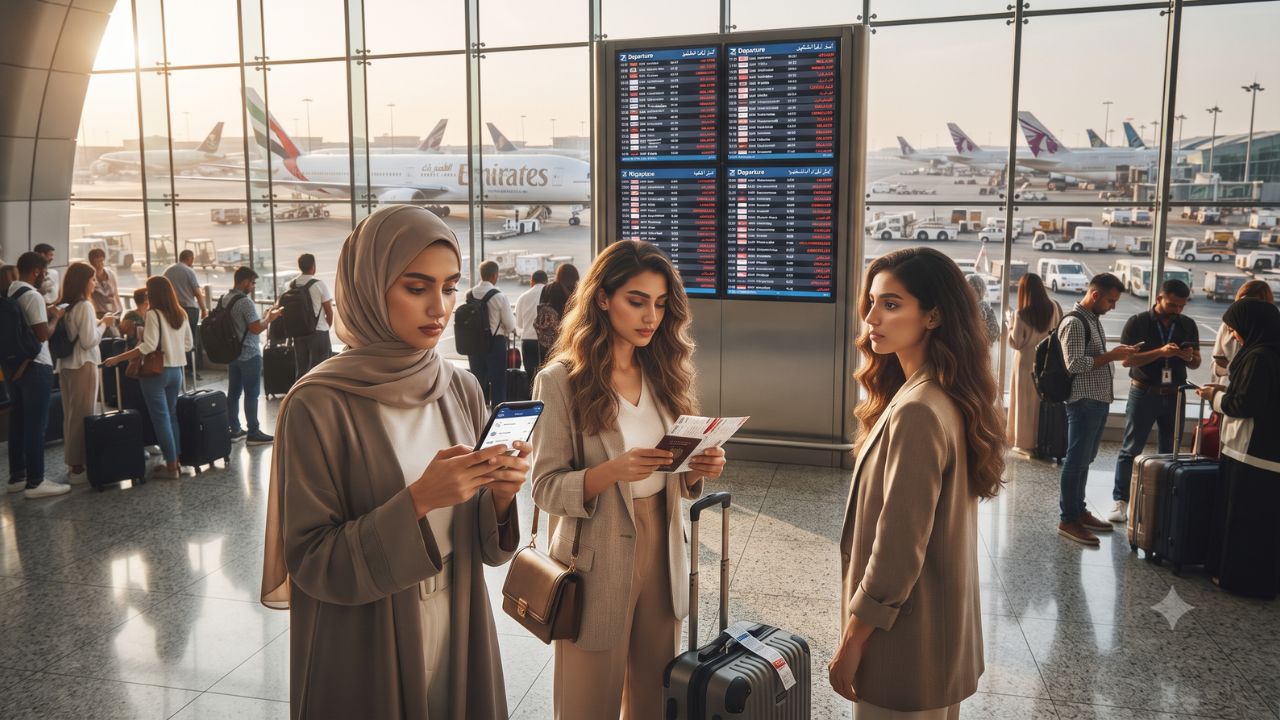
Image generated by AI
Operating on continuous round-the-clock connection banks where aircraft ground turns rarely exceed 60 minutes, Middle Eastern super-hubs recorded 1,185 flight delays and 83 outright cancellations across twelve major airports in a single operational cycle. A domino effect across tightly timed flight banks disrupted thousands of passengers connecting between Europe, Asia, Africa, and North America through the United Arab Emirates, Saudi Arabia, Qatar, Egypt, and Bahrain.
Aviation tracking metrics logged on 8 October 2026 at 5:33 pm ET (3:03 am IST) revealed widespread pressure points centered on Riyadh's King Khalid International Airport and Dubai International Airport. Because long-haul widebody aircraft rotate continuously between intercontinental sectors, early morning turnaround delays rapidly compounded into late afternoon gate holds and crew duty timeouts.
Regional Airport Breakdown: Flight Delays and Cancellations
The disruption wave hit both high-capacity international transfer hubs and regional domestic airports across the Gulf and North Africa:
| Airport / Gateway | Total Delays | Cancellations | Arrival / Departure Delay Rates | Primary Affected Airlines |
|---|---|---|---|---|
| Riyadh (King Khalid / RUH) | 263 | 18 | 36% / 30% | Saudia (102 delays), flynas (55), flyadeal (44) |
| Dubai (DXB) | 221 | 19 | 19% / 22% | Emirates (85 delays), flydubai (73) |
| Jeddah (King Abdulaziz / JED) | 158 | 7 | 23% / 16% | Saudia (56 delays), flynas (29), flyadeal (25) |
| Abu Dhabi (Zayed / AUH) | 139 | 2 | Moderate | Etihad (100 delays), Air Arabia (19) |
| Doha (Hamad / DOH) | 135 | 3 | 22% (Dep) | Qatar Airways (110 delays) |
| Cairo (CAI) | 118 | 3 | 17% (Arr) | EgyptAir (53 delays), Air Cairo (13) |
| Sharjah (SHJ) | 98 | 2 | Concentrated | Air Arabia (92 delays) |
| Abha (AHB) | 36 | 8 | 55% / 22%* | flyadeal (18 delays), Saudia (10) |
Note: Abha Airport also recorded a 12% departure cancellation rate alongside its 55% arrival delay rate.
Airline Fleet and Crew Rotation Impacts
Saudi flag carrier Saudia absorbed the single heaviest impact across the region, logging 182 delays and 29 outright cancellations, accounting for more than 30% of all scrubbed flights across the Middle East. Regional carrier Gulf Air was forced to cancel 20 scheduled services as regional aircraft availability tightened.
Major network carriers protected international long-haul connectivity primarily by holding flights rather than cancelling them outright. Qatar Airways registered 110 delays at Doha Hamad International, while Etihad Airways recorded 100 delays at Zayed International in Abu Dhabi.
Fast-turnaround low-cost carriers faced severe operational compression:
- flynas: 99 delays
- Air Arabia: 99 delays (including 92 at Sharjah)
- flyadeal: 91 delays
What Makes Middle Eastern Mega-Hub Connections Unique
The Middle East's primary aviation hubs function as synchronized global transit machines. Unlike regional domestic networks, airports like Dubai, Doha, and Riyadh handle massive midnight and early-morning arrival waves that connect passengers to onward flights within 75 to 120 minutes.
When a long-haul flight from North America or Southeast Asia arrives 45 minutes late, connecting passengers risk missing onward transfers to regional capitals in Saudi Arabia, Egypt, or the Levant. Because subsequent onward flights operate with high load factors, rebooking hundreds of misplaced travelers can take up to 24 to 48 hours during peak travel periods.
Visitor Insider Tips
- Review GACA Consumer Protection Frameworks: If departing from or transiting airports within Saudi Arabia, consult official passenger rights guidelines established by the General Authority of Civil Aviation. These regulations define mandatory airline care, hotel accommodation, and monetary compensation schedules for non-weather delays.
- Avoid Separate Ticket Connection Risks: Never book separate itineraries across different carriers without at least a four-hour layover window. If your incoming flight is delayed on a separate ticket, the connecting airline treats you as a missed no-show with zero rebooking protection.
- Utilize Dedicated Airline Smartphone Portals: In congested concourses at DXB Terminal 3 or Riyadh Terminal 5, bypass physical customer service queues of 200+ people. Mobile apps from Emirates, Saudia, and Qatar Airways allow instant digital re-routing and meal voucher claims directly on your device.
- Preserve Itemized Expense Documentation: Retain all physical and digital receipts for meals, bottled water, ground transportation, and independent hotel stays incurred during delays exceeding four to six hours to submit duty-of-care claims.
- Plan Regional Cultural Stopovers: If extended flight holds create multi-hour layovers in Riyadh or Jeddah, explore city highlights via Visit Saudi, utilizing the express airport rail link in Jeddah to visit the historic Al-Balad district before evening departure waves.
Cultural and Environmental Context
The rapid growth of Gulf mega-hubs represents a central pillar of economic diversification and cultural tourism across the Arabian Peninsula. Massive investments in terminal efficiency, intermodal rail connections, and modern widebody fleets demonstrate the region's commitment to bridging continents.
At the same time, hub operators are implementing strict airside environmental initiatives to reduce ground emissions during prolonged holds. Ground support electrification, single-engine taxiing procedures, and advanced collaborative air traffic flow management help reduce unnecessary fuel burn when flight schedules experience regional compression.
FAQ: Navigating Middle East Flight Disruptions 2026
Which Middle Eastern airport recorded the highest delays? King Khalid International Airport in Riyadh recorded 263 flight delays, followed by Dubai International Airport with 221 delays.
What should travelers do if their connection is missed on a through-ticket? The issuing airline is legally responsible for rebooking you on the next available flight and providing meal vouchers or hotel lodging during extended transit waits.
Which airline suffered the most flight cancellations? Saudia recorded 29 cancellations and 182 delays, representing over 30% of all cancelled flights across the monitored Middle Eastern airports.
How do Saudi Arabia's GACA rules protect passengers during delays? GACA regulations mandate airline-provided refreshments after three hours of delay, hotel accommodation after six hours, and statutory compensation for delays within the carrier's operational control.
Staying ahead of Gulf flight disruptions requires digital rebooking agility and proactive knowledge of regional air passenger rights.
Related Travel Guides
10 Best Airport Transit Tips for Connecting Flights in Dubai and Doha Reddit 2026
Disclaimer
This article is for informational and educational purposes only. It does not constitute legal, financial, or professional advice. While we strive to provide accurate and up-to-date information, travel policies, regulations, and conditions change rapidly. Always verify information with official sources before making travel decisions. Nomad Lawyer makes no representations about the accuracy, reliability, completeness, or suitability of the information provided. Readers should consult qualified professionals for advice specific to their circumstances. The views expressed in this article are those of the author and do not necessarily reflect the views of Nomad Lawyer.
Raushan Kumar
Founder & Lead Developer
Full-stack developer with 11+ years of experience and a passionate traveller. Raushan built Nomad Lawyer from the ground up with a vision to create the best travel and law experience on the web.
Learn more about our team →