
Global Eco-Tourism Rankings 2026: India Ranks Second as Nature Travel Spending Surges
India has surpassed Mexico, Argentina, and Poland to rank second in the 2026 global eco-tourism rankings, driven by the biodiversity of Kaziranga and the Sundarbans.

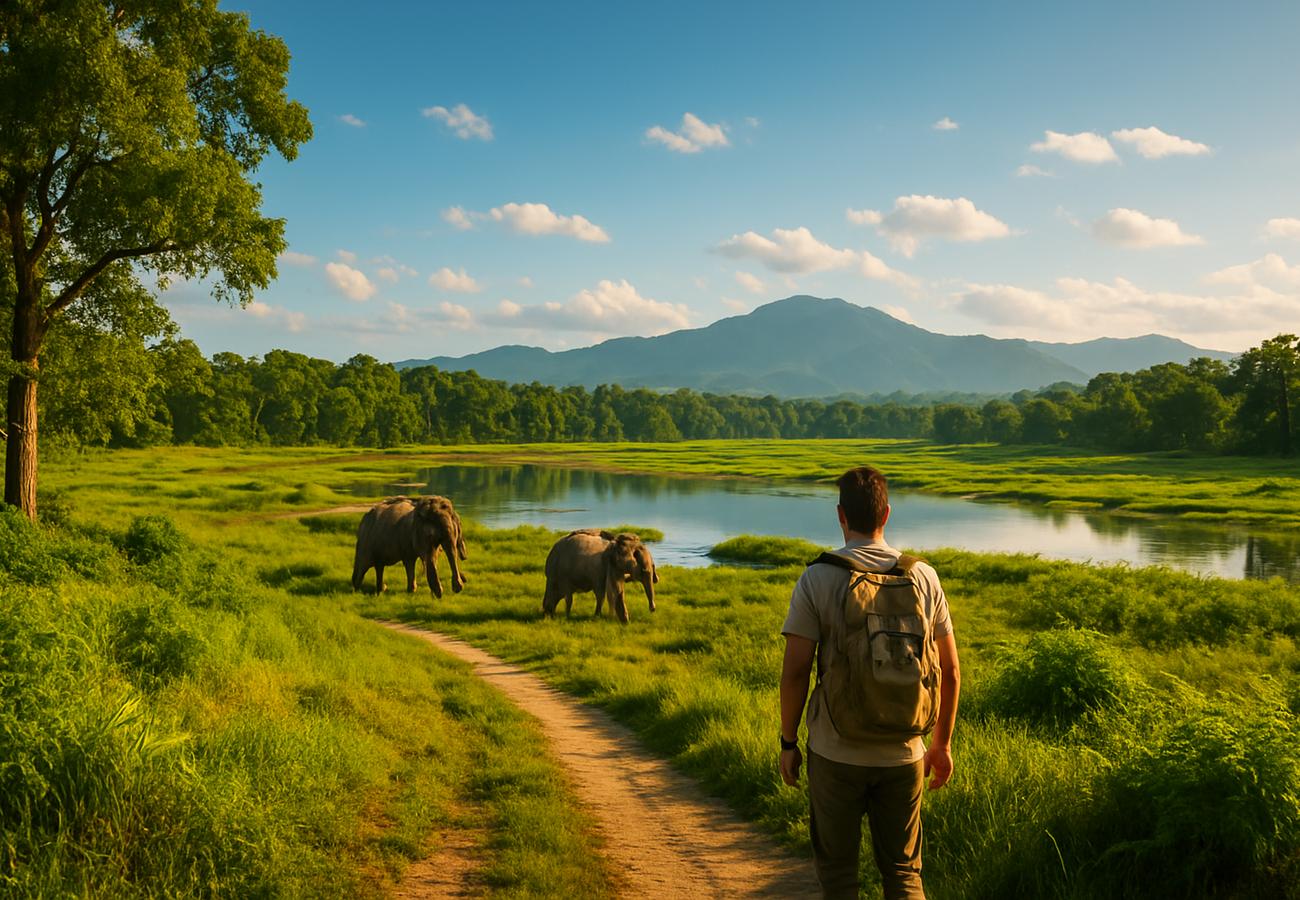
Image generated by AI
Quick Summary
- A Global Milestone: India has officially ranked second in the world for eco-tourism in 2026, surpassing Mexico, Argentina, Guatemala, Ecuador, the Bahamas, and Poland.
- Featured Hubs: The ranking highlights Kaziranga National Park (Assam) and Sundarbans National Park (West Bengal) as global benchmarks for biodiversity conservation and community-led travel.
- Economic Outlook: The global eco-tourism sector is projected to approach $1 trillion by 2035, reflecting a massive shift in traveler spending toward environmental protection.
- Strategic Growth: India’s rise is attributed to structured government policies, eco-sensitive zoning, and a successful integration of conservation with local livelihood development.
The global tourism landscape has undergone a decisive transformation in 2026, with India emerging as a dominant eco-tourism powerhouse. According to the latest rankings of the 50 Best Eco-Tourism Destinations in the World, released by Travel and Tour World (TTW), modern travelers are increasingly prioritizing purpose-driven experiences over traditional mass tourism. With its unique ecosystems—ranging from the floodplains of the Brahmaputra to the world's largest mangrove forest—India has successfully aligned its national tourism strategy with the surging global demand for sustainable and nature-based exploration.
Selected Global Eco-Tourism Rankings 2026: Destinations and Highlights
The 2026 rankings showcase a highly diversified global movement, with India securing two major positions in the top tier.
| Rank (Category) | Country | Featured Destination | Core Ecological Value |
|---|---|---|---|
| Leader | United States | National Park System | Infrastructure & Scale |
| Second | India | Kaziranga National Park | One-horned Rhinoceros Conservation |
| Second | India | Sundarbans National Park | Mangrove Ecosystem & Tigers |
| Top Tier | Mexico | Calakmul Biosphere Reserve | Rainforest & Cultural Heritage |
| Top Tier | Argentina | Iberá Wetlands | Rewilding & Jaguar Restoration |
| Top Tier | Ecuador | Galápagos Islands | Marine Biodiversity |
| Top Tier | Poland | Masurian Lake District | Freshwater & Forest Sustainability |
India's Eco-Tourism Powerhouses: Kaziranga and the Sundarbans
India’s ascent to the second position globally is driven by its ability to manage fragile ecosystems while promoting responsible visitor access.
- Kaziranga National Park (Assam): A UNESCO World Heritage Site, Kaziranga is globally recognized for sheltering the world’s largest population of the one-horned rhinoceros. Its model of strict anti-poaching measures and regulated safari experiences has become a global study in successful conservation.
- Sundarbans National Park (West Bengal): This tidal halophytic mangrove forest is the habitat of the unique semi-aquatic Royal Bengal Tiger. Eco-tourism here is centered on controlled boat tours that minimize environmental impact while supporting climate resilience for local communities.
Market Surge: Reaching $1 Trillion by 2035
The 2026 report reveals that eco-tourism is no longer a niche market but a central force shaping global travel decisions.
- Spending Patterns: Tourists are now actively choosing destinations that promote environmental protection and community engagement, even if it comes at a higher cost.
- Market Expansion: With the sector approaching a $1 trillion valuation by 2035, countries like India are investing heavily in sustainable design and low-carbon transport.
- Behavioral Shift: Behavioral insights from over 25 million readers indicate a move away from "mass luxury" toward "authentic preservation."
Strategic Policy: How India Secured Its Global Stand
The Indian government has played a central role in shaping the nation’s eco-tourism success through structured frameworks:
- Eco-Sensitive Zoning: Implementation of strict visitor limits and construction restrictions in protected areas.
- Infrastructure Evolution: Developing roads, accommodations, and facilities with reduced ecological footprints, utilizing renewable energy and sustainable materials.
- State-Level Circuits: The development of eco-tourism circuits in lesser-known states to reduce the pressure on traditional hotspots.
Community-Led Success: The Heart of the Eco-Tourism Model
Local communities are the stakeholders in India’s eco-tourism victory. Residents are directly involved in:
- Guiding and Accommodation: Homestays and local guides ensure that tourism revenue stays at the grassroots level.
- Cultural Preservation: Traditional knowledge is shared through tourism interactions, protecting the heritage of indigenous groups.
- Ownership: By becoming direct beneficiaries of conservation, local populations act as primary guardians of the biodiversity they inhabit.
FAQ: India Eco-Tourism Rankings 2026
Why is India ranked second in global eco-tourism? India ranks second due to its vast ecological diversity, successful conservation of flagship species like the rhinoceros and tiger, and its government-backed policies that integrate community benefits with environmental protection.
What are the best times to visit Kaziranga and the Sundarbans for eco-tourism? Kaziranga is best visited from November to April (outside the monsoon flood season), while the Sundarbans are most accessible and pleasant from September to March.
How does India's eco-tourism differ from other countries? India's model is uniquely focused on "Community-Led Tourism," where the local population is directly integrated into the conservation and service sectors, ensuring equitable distribution of wealth.
Related Travel Guides
Disclaimer
This article is for informational and educational purposes only. It does not constitute legal, financial, or professional advice. While we strive to provide accurate and up-to-date information, travel policies, regulations, and conditions change rapidly. Always verify information with official sources before making travel decisions. Nomad Lawyer makes no representations about the accuracy, reliability, completeness, or suitability of the information provided. Readers should consult qualified professionals for advice specific to their circumstances. The views expressed in this article are those of the author and do not necessarily reflect the views of Nomad Lawyer.
Kunal K Choudhary
Co-Founder & Contributor
A passionate traveller and tech enthusiast. Kunal contributes to the vision and growth of Nomad Lawyer, bringing fresh perspectives and driving the community forward.
Learn more about our team →