
Central Asia Rail Tourism 2026: Silk Road Train Travel Emerges as a Sustainable Cultural Trend
Kazakhstan and Uzbekistan are reimagining Silk Road travel through the Keruen Express, a transnational rail initiative connecting Almaty, Turkestan, and Samarkand for global heritage travelers.

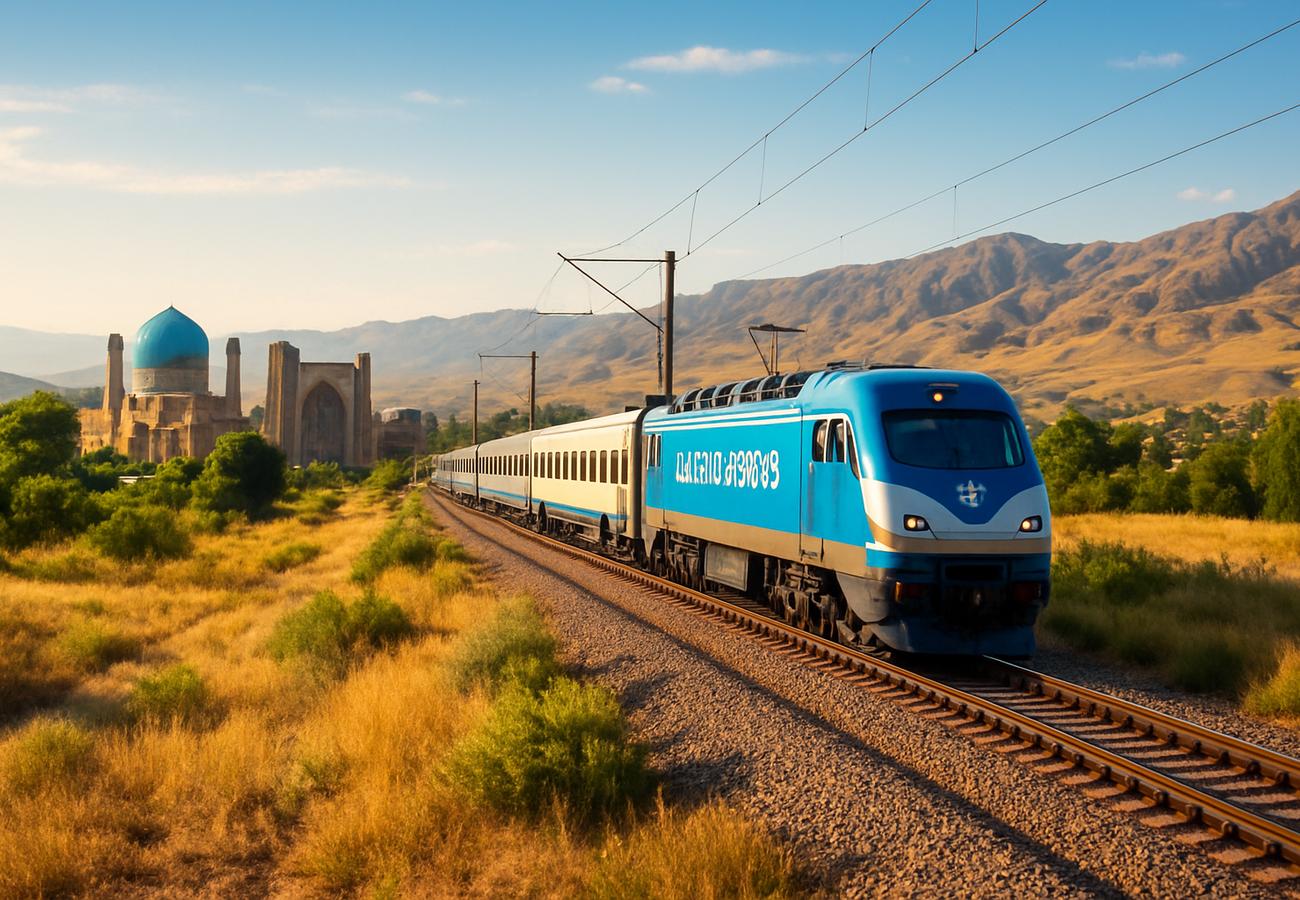
Image generated by AI
Quick Summary
- Rail Renaissance: Kazakhstan and Uzbekistan are leading a surge in Central Asian rail tourism, exemplified by the successful Keruen Express journey from May 1 to May 6, 2026.
- Transnational Corridor: The route connects major heritage hubs including Almaty and Turkestan (Kazakhstan) with Samarkand and Tashkent (Uzbekistan).
- Visitor Volume: The latest expedition carried over 130 international travelers, showcasing the growing demand for multi-country cultural experiences.
- Iconic Landmarks: Travelers visited UNESCO-linked sites such as the Khoja Ahmed Yasawi Mausoleum, Registan Square, and the Gur-e-Amir Mausoleum.
- Regional Expansion: Plans are underway to extend tourist rail routes into Dushanbe, Tajikistan, broadening the regional tourism map.
- Strategic Framework: Uzbekistan has proposed a "Central Asia Tourism Ring" to simplify border formalities and coordinate visitor policies across the region.
- Sustainability: Rail tourism is gaining traction as a low-carbon alternative to short-haul aviation, aligning with global green travel trends.
- Source: Joint reports from Kazakhstan Temir Zholy (KTZ), Uzbekistan Railways, and regional tourism boards as of May 7, 2026.
Central Asia is rapidly emerging as a world-class cultural destination, driven by a strategic "rail renaissance" that reimagines the ancient Silk Road for the modern traveler. On May 7, 2026, tourism authorities in Kazakhstan and Uzbekistan highlighted the success of the Keruen Express, a joint rail initiative that successfully transported over 130 visitors through the region's most iconic spiritual and historical landmarks. By leveraging their shared heritage and modernizing cross-border infrastructure, these nations are creating a seamless travel ecosystem that competes directly with established European heritage circuits. The move toward a "Central Asia Tourism Ring" and the expansion into Tajikistan signal a new era of regional diplomacy and economic diversification. As international travelers increasingly prioritize authenticity, sustainability, and immersive multi-country journeys, the high-speed and heritage rail networks of Eurasia are becoming the primary gateway to the historic heartland of the Silk Road.
Central Asia Silk Road Rail Tourism: Route Highlights and Operational Data
The following table details the primary segments and landmarks included in the 2026 Silk Road rail corridor.
| Segment / Stop | Landmark / Heritage Site | Nation | Tourism Significance |
|---|---|---|---|
| Almaty Hub | Modern Urban Gate | Kazakhstan | Gateway to the Steppe |
| Turkestan | Khoja Ahmed Yasawi Mausoleum | Kazakhstan | Spiritual Center of the East |
| Samarkand | Registan Square | Uzbekistan | "Pearl of the Silk Road" |
| Tashkent | Hazrati Imam Complex | Uzbekistan | Religious & Scholarly Legacy |
| Dushanbe | Gissar Fortress (Planned) | Tajikistan | Persian-Influenced Heritage |
| Operator | KTZ & Uzbekistan Railways | N/A | Cross-Border Collaboration |
| Sustainability | Low-Carbon Transport | Region | Green Tourism Pivot |
Silk Road Renaissance: The Keruen Express and Transnational Connectivity
The Keruen Express is at the forefront of Central Asia's tourism modernization:
- Immersive Travel: Unlike air travel, rail journeys allow tourists to experience the changing landscapes and rural communities that define the Eurasian interior.
- Inter-Rail Integration: The collaboration between Kazakhstan Temir Zholy (KTZ) and Uzbekistan Railways has streamlined border crossings and ticketing for international guests.
- Slower Travel Trend: The project caters to the "slow travel" movement, where European and Asian tourists seek deeper cultural engagement over 5-7 day itineraries.
Iconic Heritage Stops: Turkestan’s Mausoleums and Samarkand’s Registan Square
The rail route focuses on the architectural and religious peaks of the Silk Road:
- Turkestan (Kazakhstan): The Khoja Ahmed Yasawi Mausoleum stands as a masterpiece of Timurid architecture and remains one of the most celebrated spiritual monuments in the Turkic world.
- Samarkand (Uzbekistan): Globally recognized for the cobalt-tiled Registan Square and the Gur-e-Amir Mausoleum, the city serves as the "tourism diplomacy" center for the region.
- Tashkent (Uzbekistan): The capital offers a blend of Soviet-era urban history and the profound religious legacy of the Hazrati Imam Complex.
Regional Diplomacy: The Proposal for a 'Central Asia Tourism Ring'
Uzbekistan’s leadership has advocated for a more integrated regional travel model:
- Central Asia Tourism Ring: A proposed framework designed to connect countries through joint marketing and collaborative infrastructure development.
- Schengen-Style Ambition: While a unified visa is still under discussion, the goal is to create a seamless travel ecosystem with simplified border formalities.
- Joint Development: Multi-country itineraries are becoming the standard for long-haul tourists from the Asia-Pacific and Europe who prefer visiting 3-4 nations in a single trip.
Economic Drivers: Why Rail Travel is Outpacing Aviation in Cultural Appeal
Cultural tourism now accounts for nearly 40% of global tourism activity (UNWTO), and Central Asia is capitalizing on this shift:
- Local Economic Influx: Rail stops generate broader benefits for small hospitality operators, local artisans, and gastronomy tourism providers in smaller towns.
- Dispersal Strategy: The train route successfully disperses visitors away from overcrowded capitals into heritage-rich provincial centers like Turkestan and Bukhara.
- High-Value Demographics: The rail segment is attracting a wealthier, experience-driven demographic from the Middle East, South Asia, and North America.
Sustainable Itineraries: The Rise of Low-Carbon Heritage Rail Journeys
Environmentally conscious travel is a key component of the 2026 strategy:
- Emission Reduction: Rail travel produces significantly lower carbon emissions per passenger compared to short-haul regional flights.
- Eco-Tourism Links: Many rail tours are being packaged with nature-based excursions in Kazakhstan's national parks and Tajikistan's mountains.
- Sustainability Branding: Central Asia is positioning its rail network as a "green gateway" to heritage tourism.
Expansion into Tajikistan: Broadening the Eurasian Tourism Map to Dushanbe
The inclusion of Tajikistan marks a significant milestone for regional integration:
- Jibek Joly Expansion: KTZ has marketed the expansion of the Silk Road tourist train into Dushanbe, introducing travelers to Persian-influenced architecture.
- Mountain Tourism: The Tajikistan link opens access to high-altitude landscapes and lesser-explored Gissar-style fortifications.
- Deeper Integration: Discussions are ongoing to include Kyrgyzstan in future iterations of the transnational rail ring.
Practical Insights for Travelers: Best Seasons and Regional Formalities
Travel professionals recommend the following for Silk Road rail journeys:
- Optimal Timing: Spring (April-June) and Autumn (September-November) offer moderate temperatures suitable for exploring monuments and desert landscapes.
- Visa Coordination: Travelers should confirm if they require separate e-visas for Kazakhstan, Uzbekistan, and Tajikistan, though many nationalities now enjoy visa-free entry for short stays.
- Financial Literacy: While major hubs like Almaty and Tashkent accept digital payments, cash (local currency) remains essential for transactions in Turkestan and Bukhara.
- Heritage Stays: Look for boutique accommodations in restored merchant houses (Caravanserais) for a more authentic ethnographic experience.
Conclusion: Positioning Central Asia as a Global Heritage Tourism Leader
The May 7, 2026, report on Central Asia’s rail tourism confirms that Kazakhstan and Uzbekistan are successfully leveraging their historical identity to build a modern tourism powerhouse. By turning the Silk Road into a connected rail corridor, the region is offering a compelling, sustainable alternative to traditional multi-country travel circuits. As infrastructure expands deeper into Tajikistan and beyond, the "Central Asia Tourism Ring" is set to become one of the world's fastest-growing cultural corridors. For international travelers seeking a blend of ancient Islamic architecture, rugged landscapes, and modern transit comfort, the rail tracks of Eurasia are now the definitive path into the heart of history.
FAQ: Central Asia Rail Tourism 2026
What is the Keruen Express? It is a joint tourist rail initiative operated by the national railways of Kazakhstan and Uzbekistan, designed to connect major Silk Road heritage sites.
Which cities are included in the Silk Road rail route? The primary stops include Almaty, Turkestan, Samarkand, and Tashkent, with recent expansions into Dushanbe, Tajikistan.
What is the best time to visit Central Asia for rail travel? Spring and Autumn are the ideal seasons due to the moderate climate across the steppe and desert regions.
Related Central Asia Tourism Reports
- Samarkand Tourism Hub: A Guide to the 2026 Regional Ring
- Kazakhstan Eco-Tourism: Beyond the Silk Road Rail Routes
- Tajikistan Heritage Guide: Dushanbe and the Gissar Fortress
Z**, Uzbekistan Railways, and regional ministries as of May 7, 2026.
Disclaimer
This article is for informational and educational purposes only. It does not constitute legal, financial, or professional advice. While we strive to provide accurate and up-to-date information, travel policies, regulations, and conditions change rapidly. Always verify information with official sources before making travel decisions. Nomad Lawyer makes no representations about the accuracy, reliability, completeness, or suitability of the information provided. Readers should consult qualified professionals for advice specific to their circumstances. The views expressed in this article are those of the author and do not necessarily reflect the views of Nomad Lawyer.
Kunal K Choudhary
Co-Founder & Contributor
A passionate traveller and tech enthusiast. Kunal contributes to the vision and growth of Nomad Lawyer, bringing fresh perspectives and driving the community forward.
Learn more about our team →