
Kingdom Transit Shifts: Flight Disruptions Reshape Saudi Travel
Over 357 delays and 82 cancellations hit Saudi airports on August 6, 2026, driving a shift toward slow, cultural city exploration in Riyadh and Jeddah.

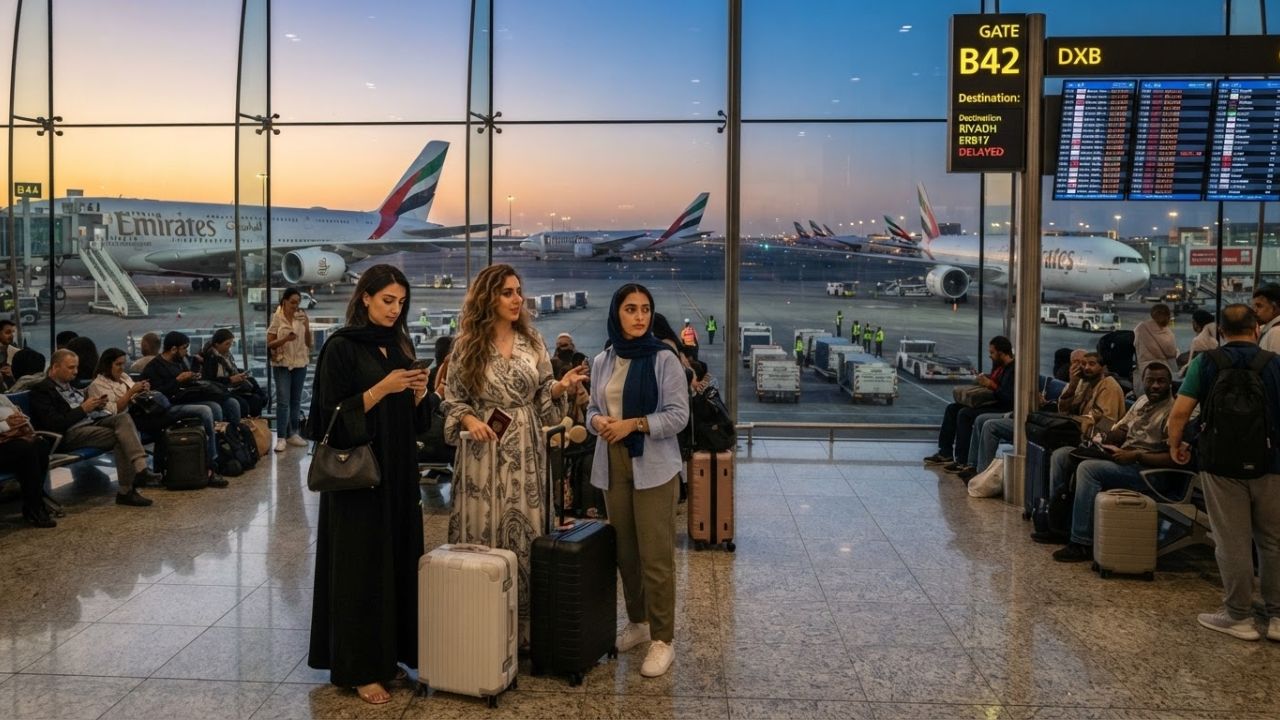
Image generated by AI
With 357 delays and 82 cancellations disrupting air travel across Saudi Arabia on August 6, 2026, passengers facing extended layovers in Riyadh and Jeddah are turning scheduling holds into slow travel opportunities to explore the Kingdom's rich cultural heritage.
Airspace Sensitivities: Air Traffic Management in the Saudi Network
Managing airspace flow across the Arabian Peninsula requires highly coordinated traffic management initiatives. When regional security concerns and airspace hold alerts limit capacity, air traffic control and airline operations teams must adjust schedules to ensure passenger safety. According to real-time flight tracking logs from FlightAware, recorded on August 6, 2026, at 5:21 PM ET, these operational challenges resulted in a total of 357 delays and 82 cancellations across the Kingdom's domestic and international airports.
The disruptions affected major gateways and regional transit points. King Khalid International Airport in Riyadh recorded the highest disruption levels with 177 delayed flights and 27 cancellations. King Abdulaziz International Airport in Jeddah, the main gateway for international travelers and religious tourism, recorded 157 delays and 18 cancellations. Together, these two primary hubs accounted for 334 of the 357 delays and 45 of the 82 cancellations. Regionally, Abha Regional Airport in the southwest reported 23 delays and 7 cancellations, while Gizan Regional Airport reported no delays but recorded 22 cancellations, and Najran Domestic Airport reported 8 cancellations with zero delays, reflecting schedule reductions near regional borders.
Exploring Heritage Beyond the Terminal: Slow Travel in Riyadh and Jeddah
For the traveler, an unexpected delay or layover at a Saudi hub serves as an entry point to discover the Kingdom's historical landmarks and modern sustainable developments under its ongoing Vision 2030 transformation. By choosing low-impact transit and visiting cultural sites, passengers can support local communities during their extended stays.
- Riyadh's Historic Heart: Passengers delayed at King Khalid International Airport can utilize low-emission transport links to visit the historic Diriyah district. As the clay-and-mud-brick birthplace of the Saudi state, Diriyah has been restored to preserve traditional Najdi architecture. Travelers can support local artisans by visiting traditional markets like Souq Al Zel.
- Jeddah's Coastal History: Visitors facing layovers in Jeddah can explore Al-Balad, a UNESCO World Heritage site known for its historic coral-stone houses and intricate wooden window lattices. Supporting family-owned restaurants serving traditional local dishes keeps economic benefits within the community.
- Abha's Mountain Eco-Tourism: Stranded passengers in the southwest can discover the high-altitude eco-tourism of the Asir region, known for its green national parks, juniper forests, and heritage villages.
By choosing public transit and supporting independent local merchants, travelers help offset the economic impact of flight disruptions while engaging in low-impact exploration.
Saudi Transit and Layover Insider Tips
Travelers navigating travel routes during periods of air traffic management can follow these local insider tips:
- Low-Emission Transit Links: Use the expanding Riyadh metro network and public bus transit systems to travel between airports and city centers, reducing your carbon footprint.
- Off-Peak Booking: Plan your travel during the mild off-peak windows of late fall (November to February) to enjoy outdoor heritage sightseeing in comfortable temperatures.
- Cultural Etiquette: When visiting cultural or religious sites in Riyadh and Jeddah, dress modestly by covering shoulders and knees, and respect local guidelines during daily prayer times.
- Local Dining Specialties: Sample regional culinary traditions, such as Kabsa (spiced rice and meat) in Riyadh, traditional seafood in Jeddah, and freshly brewed Arabic coffee served with local dates.
- Southern Airport Alert: The proximity of Abha, Gizan, and Najran to regional borders means flights are more sensitive to scheduling adjustments. Check flight status directly with airlines before leaving for the airport.
Airline Disruption Strategies and Network Recovery Patterns
Airlines operating through Saudi Arabia responded to the operational pressures with coordinated schedule adjustments, balancing safety and fleet rotations. Flag carrier Saudia carried the highest operational impact, recording 25 cancellations and 40 delays at Riyadh, and 12 cancellations and 52 delays at Jeddah. Low-cost carrier flyadeal reported 41 delays and 1 cancellation at Riyadh, and 6 cancellations and 36 delays at Jeddah, while Flynas recorded 45 delays at Riyadh and 22 delays at Jeddah. International airlines also faced disruptions, with Qatar Airways logging 9 delays at Riyadh and 6 delays at Jeddah, and carriers like Kuwait Airways, SalamAir, and Airblue recording 100 percent delay rates among their listed operations at Riyadh.
As airspace capacity normalizes, airlines require time to reposition aircraft and flight crews. Travelers are advised to consult official updates from the Saudi Tourism Authority and respective airlines to manage ongoing itinerary adjustments.
Related Travel Guides
Gulf Transit Shifts: Flight Disruptions Reshape Middle East Travel
Disclaimer
This article is for informational and educational purposes only. It does not constitute legal, financial, or professional advice. While we strive to provide accurate and up-to-date information, travel policies, regulations, and conditions change rapidly. Always verify information with official sources before making travel decisions. Nomad Lawyer makes no representations about the accuracy, reliability, completeness, or suitability of the information provided. Readers should consult qualified professionals for advice specific to their circumstances. The views expressed in this article are those of the author and do not necessarily reflect the views of Nomad Lawyer.
Kunal K Choudhary
Co-Founder & Contributor
A passionate traveller and tech enthusiast. Kunal contributes to the vision and growth of Nomad Lawyer, bringing fresh perspectives and driving the community forward.
Learn more about our team →