
Chile Wine Tourism Boom 2026: Santiago and Central Valleys Lead Global Vineyard Travel Surge
Chile is transforming into a premier global destination for oenophiles in 2026, leveraging the strategic hub of Santiago to connect travelers with world-class vineyards in the Maipo, Colchagua, and Casablanca Valleys.

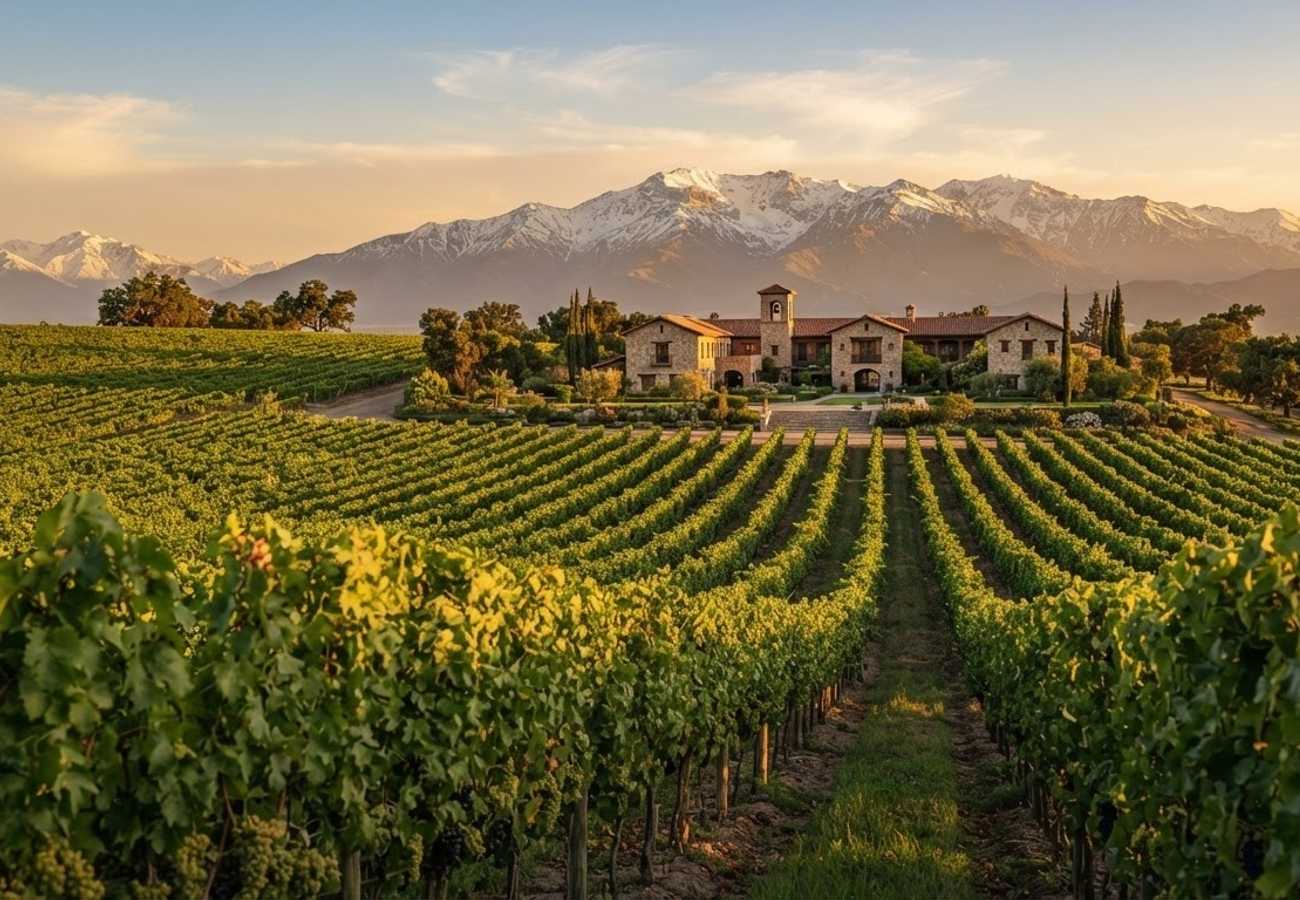
Image generated by AI
Chile is aggressively expanding its footprint in the global luxury travel market in 2026, positioning its diverse wine regions as primary drivers for international tourism. By integrating high-end hospitality with agricultural heritage, the country is seeing a massive influx of visitors to the Metropolitan Region and surrounding valleys.
The shift toward "experience-based" travel has propelled Chile beyond simple wine tastings. Current industry trends show a surge in demand for integrated vineyard holidays that combine farm-to-table gastronomy, boutique estate lodging, and heritage tours. This evolution is centered around the strategic geography of central Chile, where the intersection of the Andes Mountains and the Pacific Ocean creates a unique terroir capable of producing a vast spectrum of world-class vintages.
Santiago Serves as the Primary Gateway for Oenophiles
For the modern traveler, Santiago has evolved into more than just a political and financial capital; it is now the essential logistics hub for South American wine exploration. The city's infrastructure allows international arrivals to transition seamlessly from urban luxury to rural vineyard estates.
Most of the country's most prestigious wineries are situated within a 30-to-90-minute drive from the city center. This proximity has made Santiago the ideal base for short-term visitors who wish to sample multiple valleys without extensive transit. The capital's role as a gateway is reinforced by its connectivity to the Maipo, Casablanca, and Aconcagua Valleys, effectively making the Metropolitan Region the epicenter of the 2026 wine tourism surge.
Regional Specializations Across Chile's Wine Valleys
The diversity of Chile's wine landscape is its greatest competitive advantage. Different regions have carved out specific niches based on their climate and soil, offering travelers a varied sensory experience.
In the Maipo Valley, specifically around Pirque and Buin, the focus remains on the historic production of premium Cabernet Sauvignon. These areas are prized for their heritage estates and museums that chronicle the evolution of Chilean viticulture. Conversely, the Casablanca Valley has emerged as a leader in cool-climate viticulture. Its coastal influence makes it the premier destination for those seeking elegant Sauvignon Blanc, Chardonnay, and Pinot Noir.
Further south, the Colchagua Valley—particularly the town of Santa Cruz—offers a more immersive, multi-day experience. This region is globally recognized for its Carménère and Bordeaux-style blends, supported by a sophisticated infrastructure of luxury hotels and gourmet dining options that cater to high-net-worth travelers.
Comprehensive Guide to Chile's 2026 Wine Destinations
The following data outlines the primary hubs for vineyard tourism, detailing their specific strengths and accessibility for international visitors.
| City / Wine Destination | Region / Valley | 2026 Tourism Appeal | Signature Wine Varieties | Notable Vineyards & Wineries | Primary Traveler Experiences | Access from Santiago |
|---|---|---|---|---|---|---|
| Santiago | Metropolitan Region | Main international entry point; urban/rural blend | Cabernet Sauvignon, Carménère, Merlot, Sauvignon Blanc | Viña Concha y Toro, Viña Santa Rita, Viña Aquitania | Day trips, premium tastings, historic cellars | 30–90 minutes |
| Pirque | Maipo Valley | Iconic center for premium Cabernet Sauvignon | Cabernet Sauvignon, Carménère, Syrah | Concha y Toro, Haras de Pirque | Vineyard walks, wine museums, heritage tours | ~30 minutes |
| Buin | Maipo Valley | Accessible, traditional vineyard experiences | Cabernet Sauvignon, Merlot | Santa Rita estates | Historic tours, botanical gardens | ~45 minutes |
| Casablanca | Casablanca Valley | Leading cool-climate coastal destination | Sauvignon Blanc, Chardonnay, Pinot Noir | Casas del Bosque, Veramonte, Emiliana, Indómita | Sustainable wine tours, harvest festivals | 1–1.5 hours |
| Valparaíso area | Coastal Wine Route | Cultural hub combining UNESCO heritage with wine | Sauvignon Blanc, Chardonnay, Pinot Noir | Nearby Casablanca wineries | Architecture and gastronomy tours | ~120 km |
| Santa Cruz | Colchagua Valley | Full-service vineyard holiday destination | Carménère, Cabernet Sauvignon, Syrah | Montes, Viu Manent, Lapostolle Clos Apalta, VIK | Multi-day stays, cycling, gourmet dining | ~2 hours |
| Apalta | Colchagua Valley | Global recognition for ultra-premium reds | Carménère, Cabernet Sauvignon, Bordeaux blends | Montes, Clos Apalta | Estate visits, fine dining | Near Santa Cruz |
| San Fernando | Colchagua Entrance | Transport hub for red wine regions | Cabernet Sauvignon, Carménère | Regional wineries | Countryside tourism, wine routes | ~140 km south |
| San Antonio | San Antonio Valley | Maritime-influenced boutique experiences | Pinot Noir, Sauvignon Blanc, Chardonnay | Matetic, Casa Marín | Biodynamic vineyards, boutique tastings | ~1.5 hours |
| Lo Abarca | San Antonio Valley | Respected for distinctive terroir and exclusivity | Sauvignon Blanc, Pinot Noir | Casa Marín | Small-estate storytelling, exclusive tastings | Near San Antonio |
| Los Andes | Aconcagua Valley | Mountain-influenced premium production | Cabernet Sauvignon, Syrah, Carménère | Errázuriz, Seña | Scenic mountain wine routes | ~1.5 hours |
| Rancagua | Cachapoal Valley | High-quality reds and architectural luxury | Carménère, Cabernet Sauvignon, Merlot | Viña Vik (Millahue), Altaïr | Luxury resorts, architectural tours | ~90 minutes |
| Curicó | Curicó Valley | Strong agricultural and traditional heritage | Sauvignon Blanc, Cabernet Sauvignon, Carménère | Miguel Torres Chile | Local gastronomy, wine festivals | ~2.5 hours |
| Talca | Maule Valley | Oldest region; home to heritage grape varieties | País, Carignan, Cabernet Sauvignon | Boutique family wineries | Old-vine tours, rural celebrations | ~250 km south |
The Drivers of Chile's Viticultural Appeal
The rapid growth of this sector is not accidental. It is the result of a strategic alignment between geography and modern travel preferences. The "Andes-to-Ocean" corridor creates a variety of microclimates that allow a single country to compete across multiple wine categories, from crisp whites to bold, aged reds.
Furthermore, there is a visible shift in consumer behavior. Travelers in 2026 are moving away from passive sightseeing. They are now seeking "educational luxury"—experiences where they can engage with the producers, understand biodynamic farming practices, and explore the intersection of wine and local culture. This is evident in the rise of boutique estates in the San Antonio and Maule Valleys, where the focus is on storytelling and artisanal production rather than mass-market tourism.
Why This Matters for the Global Traveler
For the traveler, the professionalization of Chile's wine tourism means that the barrier to entry has dropped significantly. What was once a fragmented collection of farms has become a streamlined luxury circuit. From a logistical standpoint, the concentration of world-class estates within a few hours of Santiago creates a high-value, low-stress itinerary.
Moreover, the integration of sustainable and biodynamic practices—particularly in the Casablanca and San Antonio regions—appeals to the environmentally conscious traveler. This transition suggests that Chile is not just selling a product, but a philosophy of land stewardship and quality. For those planning a South American itinerary, the "Wine Route" is no longer a side trip; it is a primary destination that rivals the traditional wine regions of Europe in both quality and experience.
Chile has successfully transitioned its vineyards from agricultural assets into global luxury landmarks.
Related Travel Guides
Disclaimer
This article is for informational and educational purposes only. It does not constitute legal, financial, or professional advice. While we strive to provide accurate and up-to-date information, travel policies, regulations, and conditions change rapidly. Always verify information with official sources before making travel decisions. Nomad Lawyer makes no representations about the accuracy, reliability, completeness, or suitability of the information provided. Readers should consult qualified professionals for advice specific to their circumstances. The views expressed in this article are those of the author and do not necessarily reflect the views of Nomad Lawyer.
Raushan Kumar
Founder & Lead Developer
Full-stack developer with 11+ years of experience and a passionate traveller. Raushan built Nomad Lawyer from the ground up with a vision to create the best travel and law experience on the web.
Learn more about our team →