
SAS Marks 80 Years With New York Flights As Scandinavian Air Travel Enters A New Era
SAS Marks 80 Years With New York Flights As Scandinavian Air Travel Enters A New Era

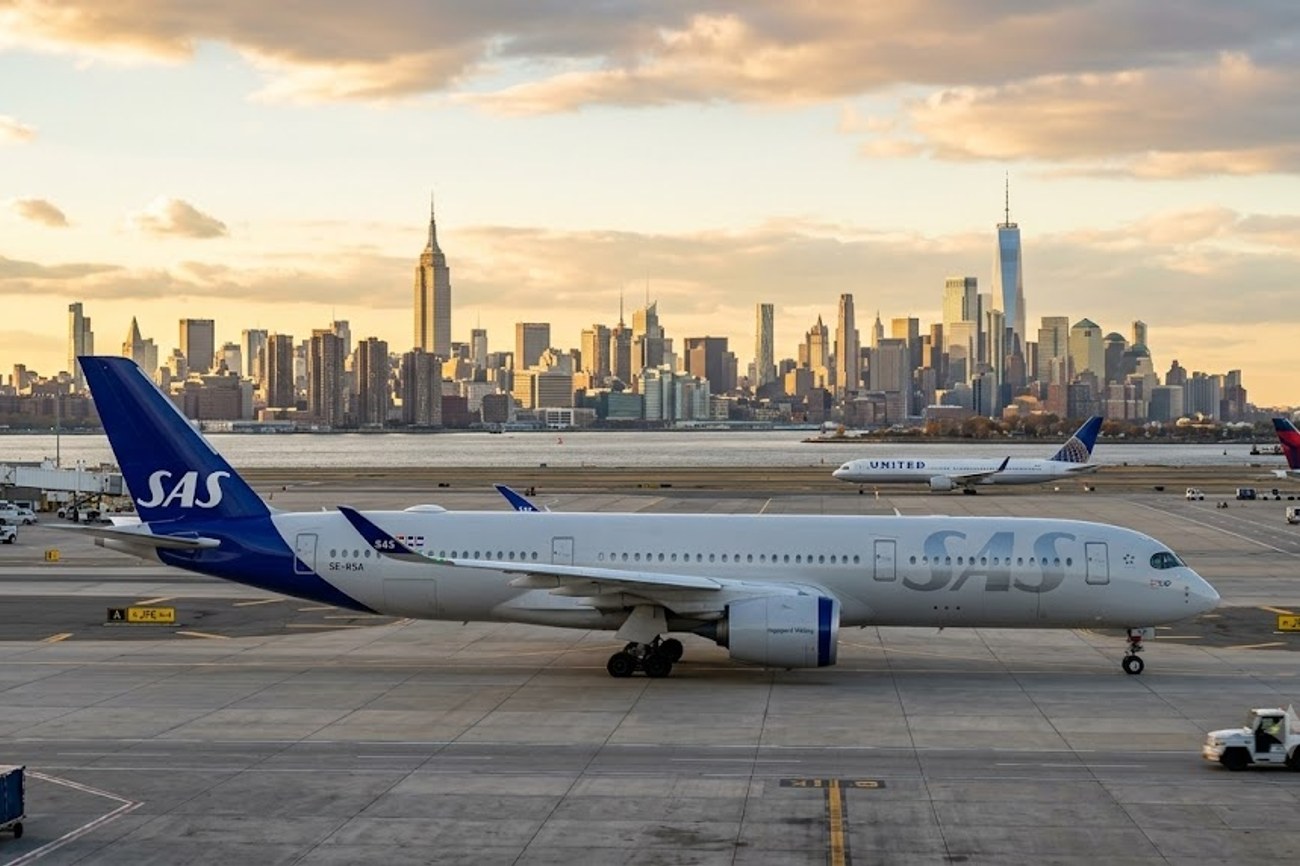
Image generated by AI
title: "Crossing the Atlantic: The Evolution of Scandinavian Connectivity" date: 2026-09-18 tags: [SAS-Airlines, Scandinavia-USA-Travel, New-York-City-Tourism, Transatlantic-Aviation-2026]
In 1946, a journey from Stockholm to New York was an endurance test requiring 25 hours of travel and three separate stops in Copenhagen, Prestwick, and Gander. This grueling trek, undertaken by only 28 passengers aboard the DC-4 Dan Viking, stands in stark contrast to the modern era where the same distance is covered in under eight hours.
The New Era of Scandinavian Connectivity
The current shift in transatlantic travel is not just about speed, but about a total overhaul of how Northern Europe connects with North America. SAS is currently marking its 80th anniversary by revisiting the very routes that defined its early identity. While the inaugural flight on 17 September 1946 departed from Stockholm’s Bromma Airport to land at LaGuardia, today's operations are defined by a massive scale of efficiency and fleet renewal.
The airline is currently executing its most aggressive modernization strategy in decades. This involves a calculated investment in up to 40 Airbus widebody aircraft for long-haul stability and 55 Embraer E195-E2 regional jets to sharpen its short-haul network, all while continuing the rollout of the Airbus A320neo fleet. For the traveler, this means more than just newer seats; it represents a shift toward higher capacity and more reliable scheduling between the three Scandinavian capitals—Copenhagen, Stockholm, and Oslo—and the United States.
What Makes the Scandinavian Gateway Different
Traveling through Scandinavia to reach New York offers a distinct rhythmic difference compared to the chaotic hubs of London or Frankfurt. There is a cultural emphasis on "lagom" (the Swedish concept of "just the right amount") that permeates the transit experience. Whether you are landing in Copenhagen or Oslo, the infrastructure is designed for seamlessness, reflecting the Scandinavian principle of cross-border cooperation.
The geographic positioning of these capitals makes them ideal jumping-off points for those who want to blend urban exploration with nature. A traveler can spend three days in the design districts of Copenhagen before boarding a direct flight to JFK, or use Stockholm as a base to explore the archipelago before crossing the ocean. The relationship between these cities and New York has evolved from a rare diplomatic bridge into a high-frequency corridor for business and art. To understand the regulatory environment and travel requirements for these regions, visitors should consult the official Visit Denmark or Visit Norway portals to coordinate their multi-city itineraries.
Visitor Insider Tips
Navigating the transition from Scandinavia to the US requires a few local hacks to avoid the common pitfalls of international transit.
Timing the Transit: If you are connecting through Copenhagen (CPH), arrive at least three hours early. While the airport is efficient, the security queues can spike unexpectedly during the morning rush of regional flights. For those based in Stockholm, remember that while the historic flights left from Bromma, almost all international long-haul traffic now flows through Arlanda.
Local Etiquette: In Scandinavian lounges and terminals, silence is valued. Avoid loud phone conversations; the local culture prizes a quiet, respectful environment. When interacting with ground staff, a direct but polite approach is most effective.
Regional Specialties to Pack: Before boarding your flight to New York, grab a "smørrebrød" (open-faced sandwich) in Copenhagen or a "kanelbulle" (cinnamon bun) in Stockholm. These are the authentic tastes of the region and provide a more substantial start than standard airport fast food.
Transport Hacks: Use the Arlanda Express in Stockholm for the fastest city-to-airport link, but if you are on a budget, the commuter trains are significantly cheaper and only take slightly longer. In Oslo, the Flytoget airport express is the gold standard for reliability.
Cultural and Environmental Context
The evolution of the New York route is a mirror of the broader relationship between Scandinavia and the US. The anniversary reception held on 18 September 2026 in New York City, involving diplomatic representatives from Washington, D.C., highlights that these flights are as much about diplomacy as they are about tourism. The "Scandinavian principle of cooperation" mentioned by CEO Anko van der Werff isn't just corporate speak; it is a reflection of how these nations share resources and aviation strategies to remain competitive.
However, this increase in connectivity brings environmental scrutiny. The investment in the A320neo and Embraer E195-E2 fleets is a direct response to the pressure to reduce the carbon footprint of aviation. In Northern Europe, where environmental consciousness is deeply ingrained in the public psyche, the shift toward more fuel-efficient widebody aircraft is a necessity for social license. Travelers are increasingly looking for airlines that align with the sustainability goals often championed by UNESCO in the preservation of global heritage sites, which many Scandinavian travelers visit before heading west.
The interaction between tourism and local life in the Scandinavian capitals has also shifted. As these cities become major gateways to North America, there is a concerted effort to push tourists beyond the city centers. By improving the regional jet network (via the Embraer investment), the goal is to distribute visitor traffic more evenly across the region, preventing the "overtourism" seen in other European hubs and ensuring that the economic benefits of transatlantic travel reach smaller communities.
FAQ: Visiting Scandinavia and New York 2026
What is the best time to visit Scandinavia before a US trip? Late May to August offers the "Midnight Sun" experience with maximum daylight and mild weather. If you prefer the cozy "hygge" atmosphere and Christmas markets, December is ideal, though you will face significantly shorter days.
Do I need a visa for these routes? US citizens traveling to Scandinavia generally do not need a visa for short stays under the Schengen Agreement. Conversely, Scandinavian citizens typically use the ESTA system for entry into the US. Always check current regulations via official government portals.
How do I get from the airport to the city center in Oslo? The Flytoget Airport Express is the fastest method, taking about 20 minutes to reach Oslo Central Station. Alternatively, the Vy regional trains are a more affordable option with similar transit times.
Is it safe for solo travelers in these regions? Yes, Scandinavia and New York are generally very safe for solo travelers. Scandinavia, in particular, is ranked among the safest regions globally, with high levels of English proficiency making navigation simple.
From 25-hour odysseys to eight-hour sprints, the Atlantic has shrunk, but the spirit of the journey remains.
Related Travel Guides
- Oman Air Elevates Salalah Tourism With 270,000 Passengers During Khareef Season As Regional Air Connectivity Expands
- Cayman Islands Aligns With Jamaica And More As Cayman Airways Expands Seasonal Holiday Travel
- Singapore Airlines Wins World’s Best As Skytrax Awards Highlight New Era Of Passenger Experience
Disclaimer
This article is for informational and educational purposes only. It does not constitute legal, financial, or professional advice. While we strive to provide accurate and up-to-date information, travel policies, regulations, and conditions change rapidly. Always verify information with official sources before making travel decisions. Nomad Lawyer makes no representations about the accuracy, reliability, completeness, or suitability of the information provided. Readers should consult qualified professionals for advice specific to their circumstances. The views expressed in this article are those of the author and do not necessarily reflect the views of Nomad Lawyer.
Raushan Kumar
Founder & Lead Developer
Full-stack developer with 11+ years of experience and a passionate traveller. Raushan built Nomad Lawyer from the ground up with a vision to create the best travel and law experience on the web.
Learn more about our team →