
Decoding Military Aviation's Most Storied Tradition: What Those Mysterious Symbols on US Air Force Fighter Jets Really Reveal
Breaking airline news and aviation industry updates for 2026.

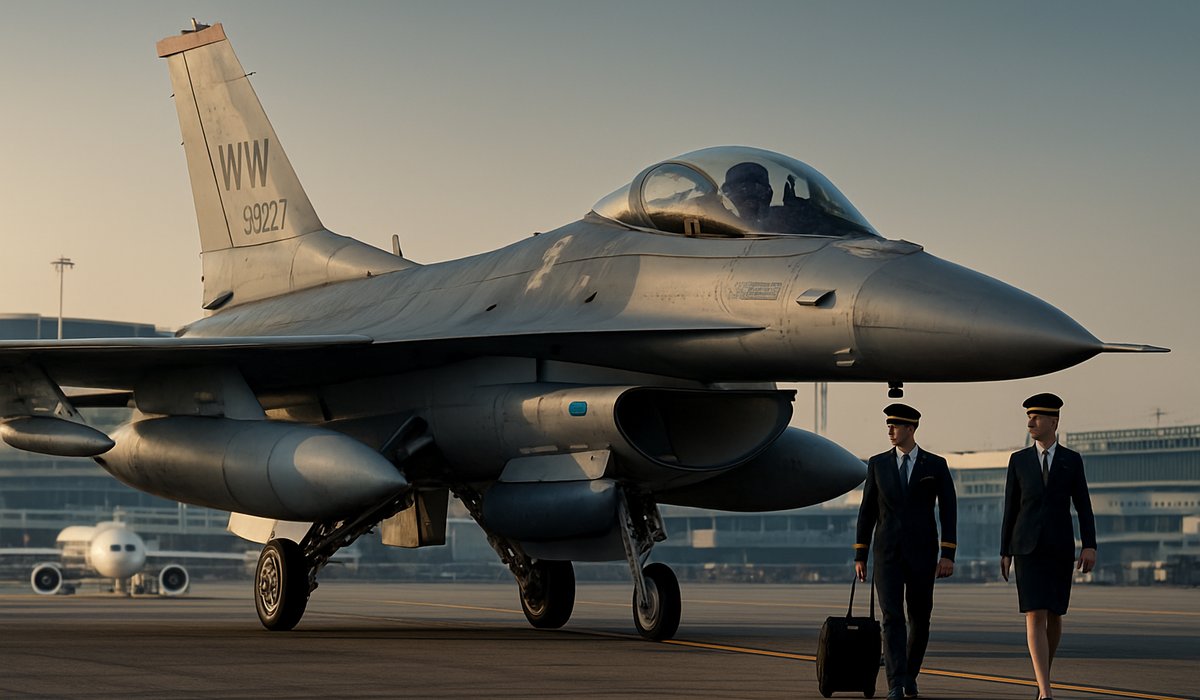
Image generated by AI
Decoding Military Aviation's Most Storied Tradition: What Those Mysterious Symbols on US Air Force Fighter Jets Really Reveal
From World War II Mustangs to Modern F-15s, Kill Markings Remain an Enduring Legacy of Combat Excellence
The Hidden Language of Air Superiority
Beneath the sleek fuselage of a United States Air Force fighter jet, past the standardized roundels and pilot identification markings, lies a far more cryptic visual language—one that has persisted through nearly a century of military aviation history. These seemingly modest painted symbols represent one of the military's most resilient traditions: kill markings, victory tallies, and mission counters that chronicle individual pilot achievements and squadron accomplishments with unmistakable precision.
These markings serve as a tangible record of aerial combat success, creating a direct historical thread connecting today's pilots flying advanced Boeing F-15EX variants with their predecessors who navigated the treacherous skies over occupied Europe during World War II, commanding nimble North American P-51 Mustangs through intense aerial engagements.
A Tradition Rooted in Combat History
Kill markings emerged organically from military aviation's earliest days, evolving into a standardized practice that transcends generations of fighter pilots. Unlike official military documentation housed in command archives, these fuselage inscriptions remain visible—tangible proof of a pilot's wartime success that could be instantly recognized by fellow aviators on the flight line.
The symbols themselves vary by squadron, era, and specific mission type. Some represent confirmed aerial victories, while others denote successful ground attack sorties, reconnaissance missions completed, or bombing runs executed. The specificity of each marking reinforces the accountability and pride intrinsic to fighter pilot culture.
Modern Relevance in Contemporary Operations
Despite shifts toward digital record-keeping and modern warfare doctrine, current Air Force pilots continue this time-honored tradition. The practice underscores the psychological importance of visible achievement recognition within military aviation communities, maintaining operational morale and unit cohesion during demanding deployment cycles.
The continuity of this custom demonstrates how deeply embedded it remains in fighter pilot identity—a bridge between historical achievement and present-day excellence that survives technological disruption and institutional modernization.
FAQ: Understanding Fighter Jet Combat Markings
What exactly are kill markings on military aircraft? Kill markings are painted symbols on fighter jets denoting confirmed aerial victories, successful combat missions, or other combat achievements earned by the pilot or aircraft crew.
Are kill markings still used on modern US Air Force fighters? Yes, contemporary Air Force fighter squadrons continue the practice, though documentation is now primarily digital while physical markings remain unofficial traditions within units.
How do pilots earn the right to paint kill markings on their aircraft? Markings must represent verified combat achievements meeting specific military criteria, typically confirmed through gun camera footage, radar data, or official after-action assessments.
Which aircraft types currently display these historical symbols? Modern F-15EX Eagles, F-16 Fighting Falcons, and F-22 Raptors all feature kill markings, maintaining the legacy established by WWII-era Mustangs and Thunderbolts.
Do allied air forces use similar marking traditions? Yes, military aviation services worldwide—including NATO partners, Israel, and others—maintain comparable traditions, though specific symbols and criteria vary by nation.
Related Travel Guides
Flight Delay Compensation Guide 2026
Understanding Airline Route Changes
Airport Security Process Updated (2026)
External Resources
Disclaimer
This article is for informational and educational purposes only. It does not constitute legal, financial, or professional advice. While we strive to provide accurate and up-to-date information, travel policies, regulations, and conditions change rapidly. Always verify information with official sources before making travel decisions. Nomad Lawyer makes no representations about the accuracy, reliability, completeness, or suitability of the information provided. Readers should consult qualified professionals for advice specific to their circumstances. The views expressed in this article are those of the author and do not necessarily reflect the views of Nomad Lawyer.
Kunal K Choudhary
Co-Founder & Contributor
A passionate traveller and tech enthusiast. Kunal contributes to the vision and growth of Nomad Lawyer, bringing fresh perspectives and driving the community forward.
Learn more about our team →