SAP Concur Integrates SNCF and ÖBB to Solve European Rail Fragmentation for Corporate Travel 2026


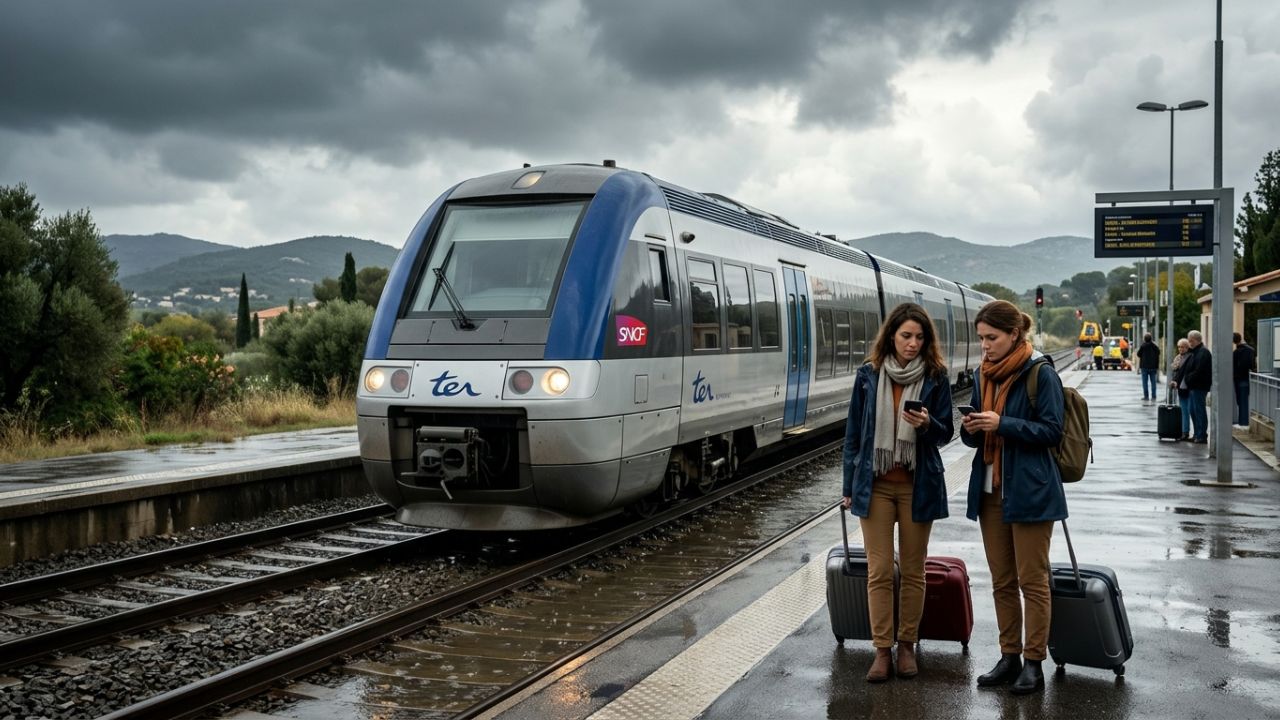
Image generated by AI
One unified booking flow for cross-border journeys is the central goal of SAP Concur's latest expansion into the French and Austrian rail markets. By integrating the national networks of France and Austria, the corporate travel and expense giant is attempting to dismantle the digital silos that have historically made European rail a logistical headache for business travelers compared to the seamless nature of aviation.
The Digital Divide in European Rail
For decades, Europe has possessed a world-class physical rail infrastructure, yet its digital layer remained stubbornly nationalistic. A business traveler moving from Vienna to Paris traditionally faced a fragmented ecosystem of separate accounts, disparate payment gateways, and unconnected ticketing rules. This friction created a "convenience gap" that pushed corporate travelers toward short-haul flights, even when rail was faster or more sustainable.
SAP Concur is addressing this by absorbing the inventory of France’s SNCF and Austria’s ÖBB directly into its corporate environment. This move is not merely about adding more destinations; it is about changing the procurement logic of corporate travel. By consolidating these networks, the platform allows organizations to enforce travel policies and track employee movements across borders without requiring the traveler to exit the corporate ecosystem to use consumer-facing apps.
Integration Data and Network Scope
The expansion focuses on high-capacity corridors and essential regional links. The integration of SNCF is particularly broad, covering everything from high-speed TGV lines to international connections via Eurostar and Lyria.
| Rail Operator | Country | Included Services |
|---|---|---|
| SNCF | France | TGV High-Speed, Regional Rail, Eurostar, Lyria |
| ÖBB | Austria | Domestic and International Federal Railways |
A critical technical milestone in this rollout is the decommissioning of the legacy SNCF Direct Connect infrastructure. SAP Concur has set a hard deadline of October 30, 2026, to move all French rail inventory to a modern API-based platform provided by Trainline. This shift away from direct, one-to-one connections toward a scalable distribution model allows for faster updates and more stable integrations.
Expert Analysis: The "Journey Stitching" Paradigm
The most significant innovation in this update is the introduction of "Journey Stitching" via Trainline Partner Solutions. To understand why this matters, one must look at the cause-and-effect relationship between booking friction and transport choice.
For a traveler booking a trip from Vienna to Madrid, the route typically involves four different operators: ÖBB in Austria, SBB in Switzerland, SNCF in France, and Renfe in Spain. Previously, this required four separate transactions. The direct consequence of this fragmentation was an administrative burden that made rail "invisible" to many corporate booking tools.
Journey Stitching solves this by aggregating these segments into a single itinerary. For the traveler, the pricing pressure shifts; as rail becomes as easy to book as a flight, companies can more aggressively pivot toward rail to meet ESG (Environmental, Social, and Governance) goals. For the travel manager, this provides a single point of truth for duty of care—knowing exactly where an employee is, regardless of which national carrier they are currently using.
Furthermore, the expansion of mobile self-service for SNCF journeys removes the "administrator bottleneck." Travelers can now handle cancellations and bookings via the app, with further enhancements—including direct ticket exchanges and time modifications—slated for the first quarter of 2027.
Key Takeaways
- Network Expansion: Direct integration of SNCF (France) and ÖBB (Austria) into the SAP Concur corporate platform.
- Technical Pivot: Transition from legacy Direct Connect to an API-based model, with a cutoff date of October 30, 2026.
- Journey Stitching: New capability to combine multiple national operators (e.g., ÖBB, SBB, SNCF, Renfe) into one consolidated booking.
- Sustainability Shift: Reduced friction in rail booking is designed to steer corporate travelers away from short-haul flights.
- Enhanced Autonomy: Mobile app updates allow for direct SNCF booking and cancellation, with ticket exchanges coming in Q1 2027.
Strategic Logistics Analysis and 2026 Traveler Insights
The integration of SNCF and ÖBB into SAP Concur represents a shift from "ticket procurement" to "journey orchestration." For the corporate traveler, the primary value is the elimination of the "last-mile digital gap"—the friction point where a journey transitions between national jurisdictions. As we move toward 2026, the strategic focus for business travelers should shift toward optimizing the specific operational nuances of the French and Austrian corridors.
Regional Transit Dynamics and Timing
Travelers utilizing the Vienna-Paris axis should account for the distinct operational rhythms of these two networks. In France, the TGV network is highly centralized around Paris; however, the integration of Lyria and Eurostar allows for seamless pivots toward Switzerland and the UK. In Austria, ÖBB’s Railjet serves as the primary artery for Central European connectivity.
The integration of SNCF and ÖBB into SAP Concur streamlines cross-border corporate transit by unifying booking and expense management across France and Austria. Travelers can now manage high-speed itineraries more efficiently via the SNCF Connect portal, reducing the administrative burden of fragmented European rail ticketing.
Peak Travel Windows: To avoid the volatility of corporate pricing, travelers should be mindful of the "European Shoulder Seasons" (May-June and September-October). During these windows, leisure demand spikes, often displacing corporate allotments. Booking through the Concur-Trainline API ensures real-time inventory, but the "Journey Stitching" logic is most effective when bookings are finalized 21 to 30 days in advance to secure optimal fare buckets.
Booking Considerations and Policy Compliance
The transition to the Trainline API by October 2026 simplifies the reimbursement cycle. Travelers no longer need to manage disparate VAT receipts from different national carriers. To maximize efficiency:
- Prioritize "Flex" Fare Logic: Given the propensity for meeting overruns in corporate travel, utilizing the integrated platform to book flexible tickets across both SNCF and ÖBB prevents the costly manual re-booking process.
- Digital Wallet Integration: Ensure corporate profiles are synced to avoid the "payment failure" loop common when crossing from the French to the Austrian payment gateways.
Transit Alternatives and Regional Context
While the rail integration is robust, travelers should maintain a hybrid approach for regional transit. In France, the "TER" regional trains are essential for reaching secondary business hubs; these are now more accessible via the unified flow but require careful attention to platform changes. In Austria, the ÖBB network is exceptionally punctual, but travelers should utilize the "City-to-City" shuttle integrations often bundled within the corporate booking flow to bridge the gap between the Hauptbahnhof (Central Station) and the final corporate destination.
By leveraging this unified ecosystem, the 2026 traveler can effectively treat the Franco-Austrian corridor as a single domestic market, significantly reducing the cognitive load of international logistics.
FAQ: European Corporate Rail 2026
What is "Journey Stitching" in rail travel? It is a technology that combines multiple rail segments from different national operators into a single booking and itinerary, eliminating the need to purchase separate tickets from different company websites.
When does the legacy SNCF Direct Connect system end? The legacy connection is scheduled to be decommissioned on October 30, 2026, as SAP Concur moves to a more scalable API-based platform.
Can I change my SNCF ticket through the Concur app? Currently, you can search, book, and cancel. Direct ticket exchanges and time modifications are planned for release in the first quarter of 2027.
Which countries are now easier to navigate via SAP Concur? The latest update specifically streamlines travel through France and Austria, while Journey Stitching facilitates broader cross-border trips involving operators like SBB (Switzerland) and Renfe (Spain).
The era of the fragmented European ticket is ending, replaced by a digital layer that finally matches the physical connectivity of the rails.
Related Travel Guides
This article is for informational purposes. Flight routes, passenger regulations, visa rules, and transit advisories are subject to change by airlines and aviation authorities. Readers are advised to verify schedules and travel documentation with relevant carriers and border agencies before departure.
Related Stories
Spain and Italy Lead European High-Speed Rail Expansion: Transcontinental Night Trains and Fast Corridors Reshape Travel

France's SNCF Connect Real-Time Disruption Intelligence Transforms Paris & Lyon Rail Travel