
Jammu Railway Division Starts First Cement Freight Rail Link to Anantnag Boosting Kashmir Valley Supply Network
Jammu Railway Division Starts First Cement Freight Rail Link to Anantnag Boosting Kashmir Valley Supply Network

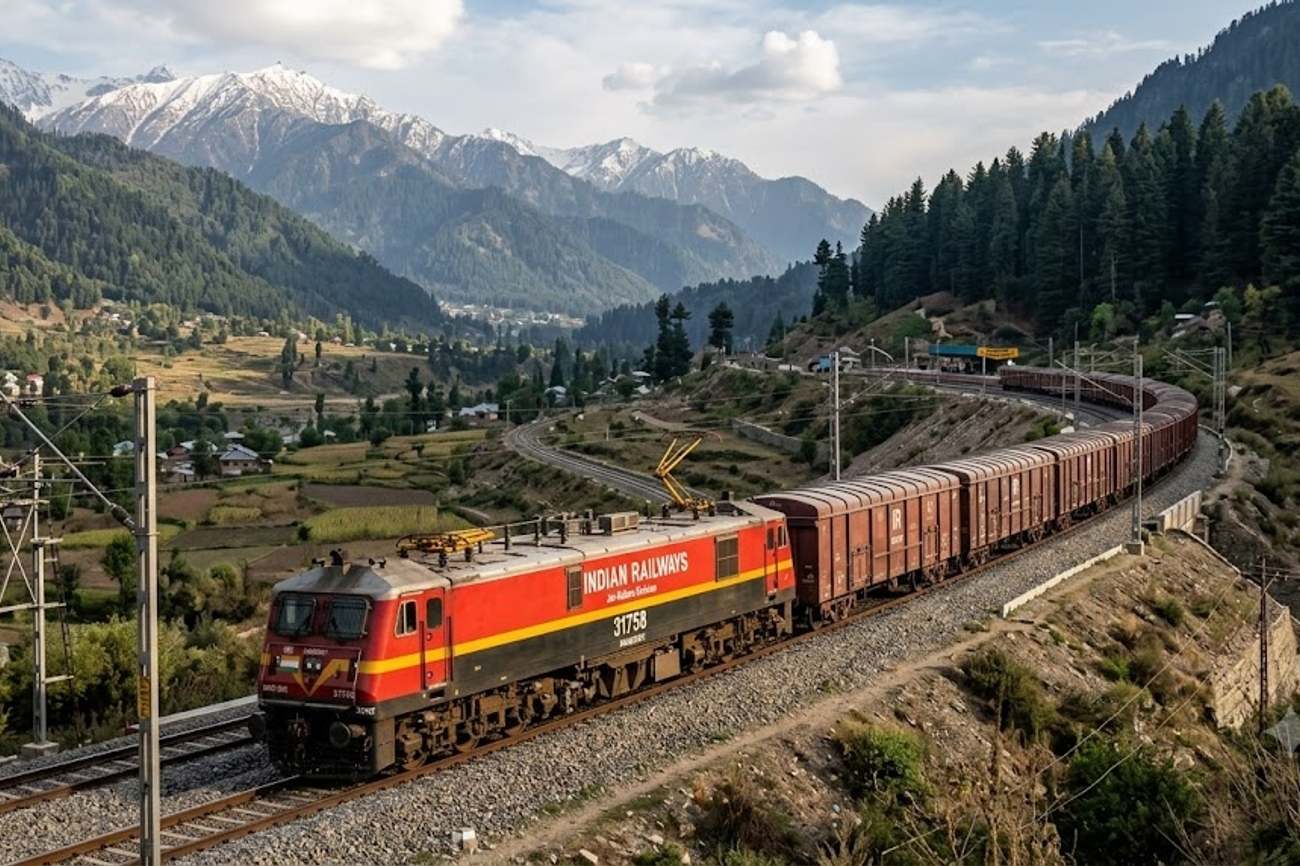
Image generated by AI
66 tonnes of cement, packaged into 1,320 individual bags, marked the inaugural internal freight movement within the Jammu Railway Division on 14 September 2026. This specific shipment, transported via a BCN freight wagon from Shaheed Captain Sunil Kumar Choudhary Kathua Railway Station to the Anantnag Railway Station Goods Shed, represents a structural pivot in how construction materials penetrate the Kashmir Valley. By establishing a direct origin-destination (O-D) rail route for Ganpati Cement of Kathua, the region is beginning to decouple its industrial supply chain from an absolute reliance on road networks.
The Logistics Pivot in Jammu and Kashmir
For decades, the movement of heavy construction materials into the Kashmir Valley has been a precarious exercise in road logistics. The geography of the region makes highway transport susceptible to weather-induced closures, landslides, and congestion, which often leads to price volatility for essential materials. The shift toward rail-based freight is not merely a change in vehicle type; it is a strategic move by the Indian Railways to stabilize the regional economy.
The Jammu Railway Division's Business Development Unit (BDU) orchestrated this movement by identifying local industrial players, such as Ganpati Cement, who were previously tethered to trucking fleets. By converting this traffic to rail, the division has created a blueprint for other heavy industries to migrate their logistics to the tracks. This transition transforms the role of the Jammu Railway Division from a primary receiver of incoming freight to a generator of internal, outward-loading cargo.
Data Breakdown: The Kathua-Anantnag Freight Corridor
The initial shipment serves as a proof-of-concept for the scalability of intra-division freight. While 66 tonnes is a modest start, the use of the BCN (Bogie Covered) wagon indicates a preference for protected transport, ensuring that cement—a moisture-sensitive commodity—reaches the Anantnag Goods Shed without degradation.
| Logistics Parameter | Specification |
|---|---|
| Dispatch Date | 14 September 2026 |
| Origin Point | Shaheed Captain Sunil Kumar Choudhary Kathua Railway Station |
| Destination Point | Anantnag Railway Station Goods Shed |
| Commodity | Cement (Ganpati Cement, Kathua) |
| Total Weight | ~66 Tonnes |
| Unit Count | ~1,320 Bags |
| Equipment Used | BCN Freight Wagon |
| Operational Scope | Intra-division O-D Freight Route |
Expert Analysis: The Indirect Impact on Travel and Infrastructure
For the casual traveler, a shipment of cement may seem irrelevant. However, from a senior editorial perspective, this is a leading indicator of regional development. The "travel experience" in the Kashmir Valley is dictated by the quality of its hospitality infrastructure—hotels, resorts, and transport hubs. These facilities cannot expand or modernize without a steady, cost-effective supply of construction materials.
The direct consequence of this rail route is the reduction of "logistics premiums." When cement arrives via road, the cost of transport is baked into the price of the material. Rail transport, as noted by railway sources, is cheaper and more reliable. This lowers the capital expenditure for new tourism-related construction projects. For the traveler booking a stay in a new boutique hotel in Anantnag or Srinagar, the efficiency of this freight route is what allows such infrastructure to be built faster and potentially at a lower cost to the developer.
Furthermore, the reduction of heavy cement trucks on the highways improves the safety and speed of passenger road travel. By migrating 66-tonne loads from the asphalt to the rails, the International Union of Railways (UIC) standards for modal shift are being applied to a high-friction environment. This reduces road wear and tear and decreases the likelihood of traffic bottlenecks that frequently plague tourists traveling between Jammu and the Valley.
The pricing pressure created by this shift will likely force road transporters to either lower their rates or specialize in "last-mile" delivery from the Anantnag Goods Shed to the final construction site. This creates a more sophisticated, multi-modal logistics ecosystem that benefits the entire regional economy.
Key Takeaways
- New Freight Route: The Jammu Railway Division has established its first internal cement route from Kathua to Anantnag, ending the total reliance on road transport for this commodity.
- Industrial Shift: The movement of 66 tonnes (1,320 bags) by Ganpati Cement marks a transition toward outward-loading freight within the division.
- Infrastructure Catalyst: Improved rail logistics for construction materials will likely accelerate the development of hotels and tourism facilities in the Kashmir Valley.
- Environmental Gain: Shifting heavy cargo from road to rail reduces the carbon footprint of regional construction and eases highway congestion.
- No Passenger Change: This is strictly a cargo initiative; there are no immediate changes to passenger train schedules or ticketing.
FAQ: Jammu Kashmir Rail Freight 2026
Does this new cement route mean more passenger trains to Anantnag? No. This initiative is strictly for freight movement. While it improves the overall infrastructure of the region, it does not add new passenger services or change existing train timetables for travelers.
How does cement transport affect tourists visiting the Kashmir Valley? Indirectly, it supports the growth of better hotels and roads. By making construction materials cheaper and more available, the region can upgrade its tourism infrastructure more efficiently.
Will this reduce traffic on the highways between Jammu and Kashmir? Yes. By moving heavy bulk materials like cement onto rail wagons, there are fewer heavy-duty trucks on the roads, which typically leads to safer and faster travel for passenger vehicles.
Who is managing these new freight routes? The Business Development Unit (BDU) of the Jammu Railway Division is responsible for coordinating with local industries to move cargo from road to rail.
The tracks are now carrying the weight of Kashmir's future architecture.
Tags: Jammu Railway Division, Ganpati Cement, Anantnag Railway Station, Kashmir Valley Logistics 2026, Indian Railways Freight
Related Travel Guides
- Indian Railways Adds 100+ Festival Special Trains for Durga Puja Diwali and Chhath 2026 to Ease Passenger Rush
- Russian Railways Network Operates Twelve Longest Passenger Rail Journeys Worldwide Led by 10,214-Kilometer Moscow to Pyongyang Express Route in 2026
- Birmingham To Manchester Airport Gains New Direct Train Route To Transform UK Travel Connections
Disclaimer
This article is for informational and educational purposes only. It does not constitute legal, financial, or professional advice. While we strive to provide accurate and up-to-date information, travel policies, regulations, and conditions change rapidly. Always verify information with official sources before making travel decisions. Nomad Lawyer makes no representations about the accuracy, reliability, completeness, or suitability of the information provided. Readers should consult qualified professionals for advice specific to their circumstances. The views expressed in this article are those of the author and do not necessarily reflect the views of Nomad Lawyer.
Naina Thakur
Contributor & Travel Specialist
Travel enthusiast and legal writer covering visa regulations, responsible tourism, and cultural journeys across global destinations.
Learn more about our team →